Introduction
In Ukraine, the agricultural sector is once again witnessing a revival in the price of white cabbage. After a period of relative stability, prices for this staple vegetable have begun to climb, sparking interest and concern among farmers, consumers, and policymakers. This renewed price growth comes against the backdrop of various factors shaping the agricultural landscape in Ukraine.
Several factors are driving this uptick in white cabbage prices. Firstly, shifts in demand dynamics, both domestically and internationally, play a significant role. Changes in consumer preferences, coupled with fluctuations in export markets, can exert pressure on prices. Additionally, disruptions to supply chains, whether due to logistical challenges or adverse weather conditions, can further exacerbate price volatility.
Macroeconomic factors such as inflation and currency fluctuations can impact production costs and, consequently, market prices. Additionally, government policies and regulations, including trade agreements and subsidies, may also influence price dynamics within the agricultural sector.
The revival in white cabbage prices underscore the connections of various factors shaping Ukraine’s agricultural economy. Understanding these dynamics is crucial for stakeholders to navigate the growing landscape and mitigate potential challenges while capitalizing on emerging opportunities.
White Cabbage
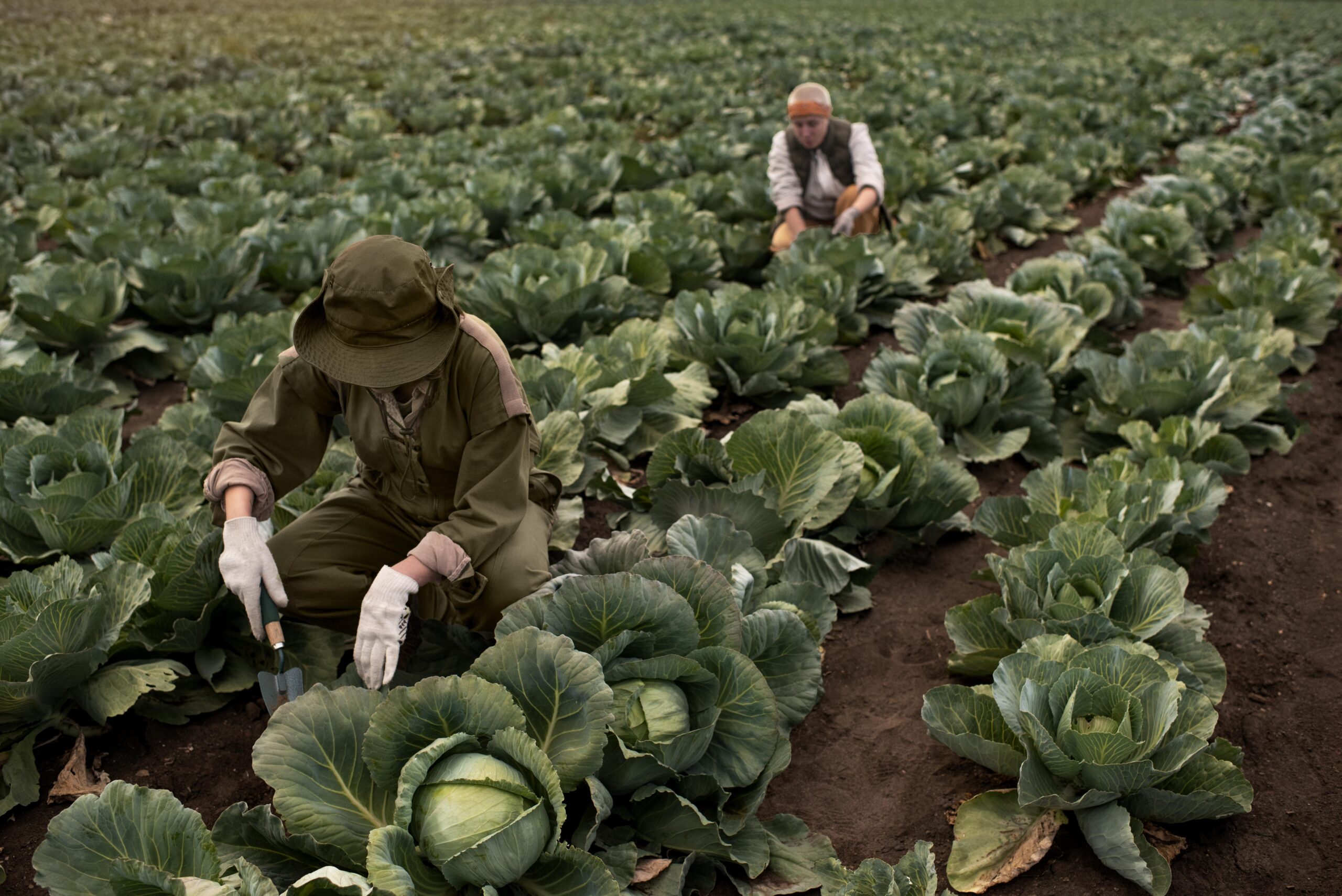
White cabbage, scientifically known as Brassica oleracea var. capitata, has a rich and storied origin in Ukraine, deeply embedded in the country’s agricultural history and cultural heritage. While the exact origins of white cabbage cultivation in Ukraine are not definitively documented, historical evidence suggests that cabbage has been cultivated in the region for centuries, dating back to ancient times.
Ukraine’s favorable climate and fertile soil provide optimal conditions for growing cabbage, contributing to its widespread cultivation across the country. The tradition of growing cabbage is deeply ingrained in Ukrainian agriculture, with many farmers incorporating it into their crop rotation systems.
Over the years, white cabbage has become a staple vegetable in Ukrainian cuisine, featuring prominently in traditional dishes such as borscht, cabbage rolls (golubtsi), and sauerkraut (kvashena kapusta). Its versatility and nutritional value have made it a beloved ingredient in Ukrainian cooking, cherished for its crisp texture and distinct flavor.
Moreover, white cabbage holds cultural significance in Ukraine, symbolizing prosperity, abundance, and the agricultural bounty of the land. Its cultivation and consumption are intertwined with seasonal festivities and rituals, reflecting the importance of agriculture in Ukrainian society.
Today, Ukraine remains a key producer of white cabbage, with vast expanses of farmland dedicated to its cultivation. The country’s white cabbage industry continues to evolve, leveraging modern agricultural practices and technologies to optimize production and meet domestic and international demand. As such, white cabbage remains an integral part of Ukraine’s agricultural landscape, representing both its agricultural prowess and cultural heritage.
White Cabbage Price Growth in Ukraine
Market trends in Ukraine are indicating a notable growth in the price of white cabbage. Following a period of stability, the cost of this essential vegetable has begun to increase, drawing attention from stakeholders across the agricultural sector. Several factors are contributing to this upward trend. Fluctuations in both domestic and international demand are exerting pressure on prices, while disruptions in supply chains further compound the situation. Additionally, macroeconomic factors such as inflation and currency fluctuations are influencing production costs, thereby impacting market prices for white cabbage.
Government policies and regulations within the agricultural sector also play a pivotal role in shaping these market trends. Amidst these dynamics, understanding the interplay between supply and demand forces is crucial for market participants to make informed decisions. Stakeholders must navigate these evolving market conditions strategically to capitalize on emerging opportunities while mitigating potential risks. As the price of white cabbage continues to rise, stakeholders in Ukraine’s agricultural sector must remain vigilant, adapting their strategies to ensure the sector’s sustainability and resilience in the face of shifting market dynamics.
Conclusion
In conclusion, the resurgence in the price of white cabbage in Ukraine reflects a complex interplay of factors within the agricultural sector and broader economic landscape. Fluctuations in demand, disruptions in supply chains, and macroeconomic influences such as inflation and currency fluctuations all contribute to the observed market trends. Furthermore, government policies and regulations exert a significant impact on price dynamics, underscoring the importance of a holistic understanding of the sector’s operating environment.
As stakeholders navigate these evolving market conditions, strategic adaptation and informed decision-making are paramount. By staying attuned to shifting demand patterns, optimizing supply chain resilience, and monitoring macroeconomic indicators, market participants can position themselves to capitalize on emerging opportunities and mitigate risks effectively.
Moreover, fostering collaboration and knowledge-sharing among stakeholders can enhance the sector’s overall resilience and sustainability. By fostering a supportive ecosystem of innovation, research, and policy dialogue, Ukraine’s agricultural sector can better weather market fluctuations and contribute to the country’s economic growth and food security objectives.
Ultimately, proactive measures aimed at addressing the underlying drivers of price volatility and enhancing market efficiency will be essential for ensuring the long-term viability of Ukraine’s white cabbage market and the agricultural sector.