Connect with us

Environmental Sustainability

Sicily Orange Season: Weathering a Complex Climate Scenario 

Explore the complexities faced by Sicily orange season amidst unpredictable weather patterns. Gain insights into the challenges and strategies employed to navigate climatic uncertainties. 

Published

on

Sicily Orange Season | https://fruitsauction.com/

Introduction  

The Sicily orange season unfolds against a backdrop of increasingly unpredictable weather patterns, presenting a myriad of challenges for growers and stakeholders in the citrus industry. As climate change intensifies, Sicilian farmers contend with fluctuating temperatures, irregular rainfall, and extreme weather events, all of which pose significant threats to orange production. 

The once-predictable rhythms of the orange season have been disrupted, requiring farmers to adopt adaptive strategies to mitigate risks and safeguard their crops. Erratic weather not only impacts fruit yield and quality but also disrupts the delicate balance of ecosystems essential for orange cultivation. 

Amidst these challenges, Sicilian farmers have embraced innovative techniques and technologies to navigate the complexities of a changing climate. From implementing water-saving irrigation systems to adopting resilient orange varieties, growers are proactively adapting their practices to minimize vulnerabilities and maximize resilience. 

Furthermore, collaboration among farmers, researchers, and policymakers plays a crucial role in developing sustainable solutions to weather-related challenges. By sharing knowledge, resources, and best practices, stakeholders can collectively address the complexities of the Sicily orange season and ensure the long-term viability of the citrus industry. 

In this exploration, Fruits Auction BV discusses the intricacies of Sicily’s orange season, gaining insights into the adaptive strategies employed to weather a complex climate scenario. Through collaboration, innovation, and resilience, Sicilian farmers are confronting the challenges posed by unpredictable weather patterns, safeguarding this iconic fruit and sustaining livelihoods for generations to come. 

Sicily Orange Season  

The Sicily orange season is a vibrant and crucial period that typically spans from November to April, marking the harvest of the region’s renowned citrus fruits. Sicily, with its unique climate and fertile soil, produces a variety of oranges, including the famous blood oranges known for their distinctive color and sweet-tart flavor. 

The season kicks off in November with early varieties, gradually building momentum as winter progresses. The cool temperatures during this period contribute to the development of vibrant colors and intensify the flavor profiles of the oranges. As winter transitions into spring, the later varieties come to fruition, extending the harvest season. 

However, the Sicily orange season is not without its challenges, especially in recent years. Unpredictable weather patterns, influenced by climate change, have created uncertainties for farmers. Temperature fluctuations and irregular rainfall can impact fruit quality and yield. Farmers must carefully monitor and adapt their cultivation practices to navigate these climatic variations. 

Despite these challenges, Sicilian farmers are resilient, employing advanced agricultural techniques and sustainable practices to ensure a bountiful harvest. The Sicily orange season is not just a period of agricultural significance but also a cultural celebration, with local festivals and markets showcasing the diverse and flavorful oranges that have become a symbol of the region’s rich agricultural heritage. 

Climate Changes Impact on Sicily Orange Season 

  • Temperature fluctuations: Unpredictable shifts in temperature during the orange season can affect fruit development, altering flavor profiles and maturation times. 
  • Erratic rainfall patterns: Irregular precipitation can disrupt irrigation schedules and impact soil moisture levels, affecting orange tree health and fruit quality. 
  • Extreme weather events: Events such as storms, hail, or frost can cause physical damage to orange trees and fruits, leading to reduced yields and lower-quality produce. 
  • Pests and diseases: Changes in climate conditions may influence the prevalence and distribution of pests and diseases, posing additional challenges for orange growers. 
  • Water availability: Changes in precipitation patterns and increased evaporation rates may strain water resources, necessitating efficient irrigation strategies to sustain orange orchards. 
  • Growing season alterations: Shifts in temperature and weather patterns may alter the traditional timing of the Sicily orange season, affecting harvest schedules and market availability. 

Conclusion  

In conclusion, the impact of climate change on the Sicily orange season is profound and multifaceted, presenting significant challenges for growers and stakeholders in the citrus industry. The region’s iconic orange harvest, once characterized by predictable rhythms and abundant yields, now faces unprecedented uncertainties driven by erratic weather patterns and environmental shifts. 

Despite these challenges, Sicilian farmers are resilient and adaptive, implementing innovative strategies to mitigate the effects of climate change on orange production. From adopting water-saving irrigation systems to cultivating resilient orange varieties, growers are actively seeking solutions to sustainably manage their orchards amidst evolving climatic conditions. 

However, addressing the complexities of climate change requires collective action and collaboration among farmers, researchers, policymakers, and consumers. By investing in research, implementing sustainable agricultural practices, and supporting initiatives to reduce greenhouse gas emissions, stakeholders can work together to build a more resilient citrus industry in Sicily and beyond. 

Furthermore, raising awareness among consumers about the importance of supporting sustainable agriculture and locally grown produce can help foster a greater appreciation for the Sicilian orange harvest and the efforts of those who cultivate it. 

In essence, while climate change poses significant challenges to the Sicily orange season, it also presents opportunities for innovation, collaboration, and adaptation. Through concerted efforts, we can strive to safeguard this cherished tradition and ensure a fruitful future for Sicilian citrus farming. 

Continue Reading
Click to comment

Leave a Reply

Your email address will not be published. Required fields are marked *

Environmental Sustainability

Harvesting Earth’s Energy: Fruits and Veggies 

Explore the connection between earth’s energy and the growth of fruits and vegetables. Discover the natural forces driving agricultural abundance. 
Published

on

earth's energy | https://fruitsauction.com/

Introduction  

The growth of fruits and vegetables is deeply rooted in the energy dynamics of our planet. Earth’s energy, derived from sunlight, soil nutrients, water, and atmospheric conditions, forms the cornerstone of agricultural abundance. These natural forces work in tandem to drive plant growth, ensuring a steady supply of nutritious food for human consumption. 

Sunlight is a fundamental source of energy for plants. Through photosynthesis, plants convert light energy into chemical energy, producing glucose that fuels their growth. This energy not only sustains the plant but also forms the basis of the food chain, ultimately reaching humans and animals. 

Soil quality plays a pivotal role in agricultural productivity. Healthy soil, rich in organic matter and nutrients, provides the necessary elements for robust plant growth. The natural processes of decomposition and mineralization replenish these nutrients, creating a sustainable cycle that supports continuous cultivation. 

Water is another critical component, acting as the medium through which nutrients are absorbed and transported within plants. Consistent and adequate water supply, combined with proper irrigation techniques, contributes to optimal plant development and high yields. 

Weather and climate patterns, including temperature, rainfall, and wind, also influence agricultural outcomes. Favorable conditions lead to abundant harvests, while adverse weather can challenge farmers and impact crop production. 

Understanding and harnessing these sources of earth’s energy is key to achieving sustainable agricultural practices. By exploring the intricate connections between these natural forces, we can develop strategies to ensure a bountiful and resilient food supply for generations to come. 

Earth’s Energy Impact on Fruits and Veggies  

The Earth’s energy plays a central role in the growth and development of fruits and vegetables. This energy, derived from natural sources like sunlight, soil, and water, creates an ecosystem where plants thrive and produce the food we depend on. 

Sunlight is the primary source of energy for plants. Through photosynthesis, plants convert sunlight into chemical energy, which fuels their growth. This process is essential for the formation of fruits and vegetables, allowing them to grow and produce the sugars and nutrients that make them valuable food sources. 

The soil also contributes significantly to plant growth. Rich in organic matter and minerals, it provides the essential nutrients that fruits and vegetables need to develop. Healthy soil fosters robust root systems, ensuring plants can absorb the energy they require for sustained growth and resilience against pests and diseases. 

Water is another critical element, facilitating the absorption of nutrients from the soil and aiding in photosynthesis. Proper irrigation and moisture levels are crucial to maintaining healthy crops and ensuring a successful harvest. 

The interplay of these energy sources creates a dynamic environment that influences the quality and quantity of fruits and vegetables. By understanding and managing these natural energies, farmers and agriculturalists can maximize productivity, leading to more abundant and nutritious crops for the global population. 

Earth’s Energy Drives Agricultural Abundance   

Agricultural abundance relies on the Earth’s energy and its myriad forms, driven by a complex interplay of natural forces. Sunlight, soil nutrients, and water create a fertile environment for crops to flourish, while climatic conditions set the stage for seasonal growth. 

Sunlight is the cornerstone of agriculture, powering photosynthesis, the process by which plants convert solar energy into chemical energy. This energy fuels plant growth, resulting in the production of fruits, vegetables, and grains that sustain the global food supply. 

The soil is equally crucial, providing a rich source of nutrients and organic matter that plants need to thrive. Properly managed soil promotes strong root systems, enhancing a plant’s ability to draw energy and nutrients from its environment. 

Water, a vital component of the growth cycle, acts as a carrier for these nutrients and supports the physiological processes of plants. When these natural forces align, they create the conditions necessary for agricultural abundance, feeding the world’s growing population. 

Conclusion  

The concept of Earth’s energy encompasses a range of natural forces that collectively drive agricultural abundance. From sunlight and soil to water and weather patterns, these elements are critical to the growth and success of fruits and vegetables. By understanding and harnessing these energies, we can support sustainable agricultural practices and ensure a steady food supply for the future. 

Sunlight, as the primary energy source, fuels photosynthesis, allowing plants to grow and produce the fruits and vegetables that form our diet’s basis. Soil health plays an equally vital role, providing the nutrients and organic matter that sustain plant life. Water, in its many forms—rainfall, rivers, and irrigation—ensures the continuity of these processes. 

To maintain agricultural abundance, it is essential to consider how these natural forces interact and to manage them effectively. This involves adopting practices that promote soil health, optimize water usage, and leverage renewable energy sources. Sustainable agriculture supports food production and contributes to our planet’s health by reducing environmental impacts and promoting biodiversity. 

In conclusion, Earth’s energy is at the heart of agriculture’s success. By embracing and nurturing these natural forces, we can build a resilient and sustainable agricultural system that benefits both humanity and the environment. This holistic approach is key to ensuring a thriving global food supply for generations to come. 

Continue Reading

Environmental Sustainability

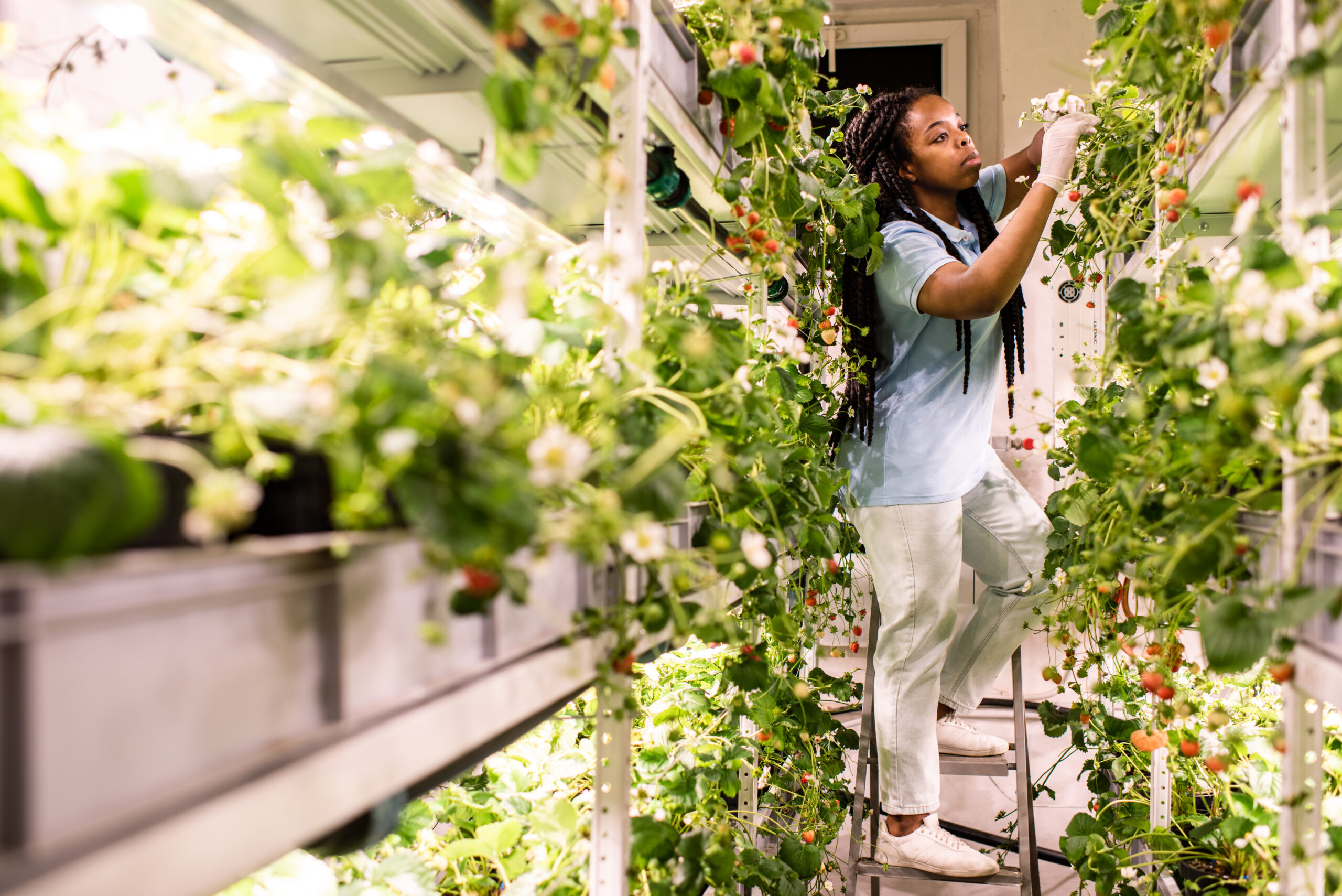
Vertical Farms: Growing Strawberries Makes Perfect Sense 

Discover why strawberries are an ideal crop for vertical farms. Learn how vertical farming can be profitable and sustainable with the right approach. 
Published

on

vertical farms | https://fruitsauction.com/

Introduction  

Vertical farms are revolutionizing the way we grow food, offering innovative solutions to some of agriculture’s biggest challenges. In this context, strawberries are emerging as an ideal crop for vertical farming. These sweet and juicy berries, loved by many, can be cultivated efficiently in vertically stacked layers, maximizing space and resources. This approach to farming is not only transforming the agricultural landscape but also making strawberry production more profitable and sustainable. 

In this article, we’ll explore the reasons why strawberries are a perfect fit for vertical farms. From their compact growth habit to their relatively short growing cycle, strawberries lend themselves well to vertical cultivation. We’ll discuss how vertical farming allows for precise control over environmental factors like light, temperature, and humidity, resulting in higher yields and consistent quality. 

You’ll also discover the sustainability benefits of vertical farms, such as reduced water usage and the elimination of pesticides. As vertical farming requires less land and can be set up in urban areas, it brings fresh, locally grown strawberries closer to consumers, reducing transportation costs and emissions. 

Join us as we dive into the world of vertical farming and uncover why strawberries are leading the way in this innovative approach to agriculture. If you’re interested in learning how this modern farming technique can be both profitable and environmentally friendly, read on to find out more. 

What are Vertical Farms?  

Vertical farms are a cutting-edge approach to sustainable farming, focusing on growing crops in vertically stacked layers, typically in controlled indoor environments like warehouses, skyscrapers, or repurposed industrial spaces. This method contrasts with traditional farming, where crops grow horizontally across large plots of land. Vertical farming makes efficient use of space, allowing for higher crop yields in smaller areas. 

In vertical farms, crops are grown under carefully controlled conditions, with artificial lighting, climate control, and hydroponic or aeroponic systems providing nutrients to the plants. This precise management ensures optimal growth, reducing the risks posed by weather fluctuations and pests. As a result, vertical farms can produce crops year-round, regardless of the season or geographic location. 

The concept of vertical farming aligns with the principles of sustainable farming by minimizing resource usage. Vertical farms typically use less water than traditional farms, thanks to efficient irrigation systems. They also require fewer pesticides since the controlled environment reduces the risk of pest infestations. Additionally, because vertical farms can be in urban areas, they help reduce transportation costs and carbon emissions associated with food distribution. 

Overall, vertical farms offer a promising solution to the challenges of feeding a growing population while promoting sustainability and reducing the environmental impact of agriculture. 

Vertical Farms Improving Strawberry Cultivation?  

Vertical farms are revolutionizing strawberry cultivation by providing an optimal environment for these popular berries to thrive. Strawberries are among the most profitable crops in vertical farming due to their compact size and high market demand. Vertical farming allows growers to stack multiple levels of plants, maximizing space and yield in a way traditional farming cannot match. 

In a controlled indoor environment, vertical farms can maintain the ideal conditions for strawberry growth, including temperature, humidity, and lighting. This consistent climate helps strawberries mature faster and produce a higher yield. The absence of weather-related risks also reduces crop loss, ensuring a more stable production cycle. 

Additionally, vertical farms use hydroponic or aeroponic systems, providing nutrients directly to the roots, promoting healthy growth, and reducing water usage. This efficiency makes strawberry cultivation more sustainable and less resource-intensive, contributing to the overall success of vertical farms. Ultimately, the combination of high yields and sustainability makes vertical farming an excellent option for strawberry cultivation. 

Conclusion 

In conclusion, vertical farms are transforming the agricultural landscape, offering a highly efficient and sustainable way to grow crops. This innovative approach is particularly effective for cultivating strawberries, one of the most profitable crops in vertical farming. By stacking multiple levels of plants in a controlled indoor environment, vertical farms maximize space and yield, enabling year-round production without the risks associated with traditional outdoor farming. 

Strawberries are an ideal crop for vertical farming due to their compact size and popularity among consumers. Vertical farms can precisely control temperature, humidity, and lighting, creating an environment that promotes healthy growth and high-quality fruit. The use of hydroponic and aeroponic systems further enhances sustainability by reducing water usage and eliminating the need for soil and pesticides. 

Moreover, vertical farms can be established in urban areas, bringing fresh strawberries closer to consumers and reducing transportation costs and carbon emissions. This urban proximity not only supports local economies but also contributes to reducing the environmental impact of food production and distribution. 

As the demand for fresh and sustainable produce continues to grow, vertical farming presents a compelling solution. With its ability to increase yields, lower resource usage, and improve sustainability, vertical farming offers a promising future for strawberry cultivation and other high-value crops. The continued development and adoption of vertical farms could play a key role in feeding a growing global population while maintaining a commitment to environmental responsibility. 

Continue Reading

Environmental Sustainability

International Mother Earth Day Fruits: A Celebration of Nature 

Celebrate International Mother Earth Day with a focus on fruits. Discover the most sustainable and eco-friendly fruits that promote a healthier planet and lifestyle.

Published

on

International Mother Earth Day | https://fruitsauction.com/

Introduction  

International Mother Earth Day is all about honoring our planet and promoting sustainability. It’s a time to reflect on how our choices impact the environment and explore ways to live in harmony with nature. One simple yet impactful way to celebrate this day is by focusing on the fruits we consume and their sustainability. Fruits are a delicious and healthy part of our diet, but not all fruits are equal when it comes to their ecological footprint. 

Choosing eco-friendly fruits means considering factors like water usage, transportation, and chemical inputs. Some fruits are naturally more sustainable, grown in ways that support the earth rather than deplete it. Locally sourced fruits, for instance, often have a lower carbon footprint because they don’t require long-distance transportation. Organic fruits are another great option, as they are grown without synthetic pesticides or fertilizers, reducing harm to the soil and surrounding ecosystems. 

In this article, we’ll explore some of the most sustainable fruits you can enjoy on International Mother Earth Day. From tropical favorites to local staples, these fruits not only taste great but also contribute to a healthier planet. We’ll discuss why these fruits are considered eco-friendly and offer tips on how to incorporate them into your diet. Let’s celebrate Mother Earth with fruits that nourish both our bodies and the environment. 

International Mother Earth Day  

International Mother Earth Day, observed annually on April 22, is a global event dedicated to raising awareness about environmental issues and promoting actions that protect our planet. It brings people together to focus on sustainability, conservation, and eco-friendly practices. The day serves as a reminder of the importance of respecting nature and finding ways to live in harmony with our environment. 

One key aspect of International Mother Earth Day is encouraging the use of eco-friendly fruits in our daily lives. These fruits are grown and harvested in ways that minimize environmental impact. This can include organic farming practices, reduced use of synthetic chemicals, and sourcing from local or regional producers to cut down on transportation emissions. By choosing eco-friendly fruits, we can contribute to a more sustainable food system and reduce our carbon footprint. 

This day isn’t just about individual actions; it’s also about collective efforts to address larger environmental issues like climate change, deforestation, and pollution. By highlighting eco-friendly fruits, International Mother Earth Day emphasizes the role of sustainable agriculture in protecting our planet. Whether it’s through community events, educational programs, or personal lifestyle changes, this day inspires people to take meaningful steps toward a greener future. 

Adapt the Earth-friendly Lifestyle This International Mother Earth Day  

Adopting an Earth-friendly lifestyle is a wonderful way to honor International Mother Earth Day. It’s about making conscious choices that support our planet’s health, from reducing waste to conserving energy. One of the simplest and most impactful ways to embrace this lifestyle is by incorporating sustainable fruits into your daily diet. 

Sustainable fruits are grown with minimal environmental impact. This might mean they are organic, produced without synthetic pesticides or fertilizers, or locally sourced, reducing transportation emissions. By choosing these fruits, you support farming practices that are kinder to the earth and contribute to a more sustainable food system. Plus, they’re often fresher and more flavorful because they don’t have to travel long distances to reach your plate. 

This International Mother Earth Day, consider exploring your local farmers’ markets for sustainable fruits. Not only will you find a variety of delicious options, but you’ll also be supporting local growers who prioritize eco-friendly practices. Try incorporating these fruits into your meals, snacks, and desserts to celebrate the day with flavors that are as good for the planet as they are for you. 

By choosing sustainable fruits, you’re making a small but meaningful change. Together, these changes can make a big difference in creating a greener, healthier world. 

Conclusion 

In conclusion, as International Mother Earth Day approaches, let’s reflect on the importance of adopting a sustainable lifestyle and the role of sustainable fruits in this endeavor. Our planet faces numerous environmental challenges. From climate change to biodiversity loss, and it’s up to each of us to do our part in preserving and protecting it. 

Choosing sustainable fruits is a simple yet powerful way to contribute to a healthier planet. By supporting eco-friendly farming practices and reducing our carbon footprint, we can help mitigate the environmental impact of food production. Additionally, sustainable fruits often boast superior flavor and nutritional value, offering a win-win for both our bodies and the environment. 

As we celebrate International Mother Earth Day. Let’s commit to incorporating more sustainable fruits into our diets and spreading awareness about their benefits. Whether it’s opting for organic options, sourcing locally grown produce, or reducing food waste. Every small step counts towards a more sustainable future. 

Beyond our individual actions, let’s also advocate for systemic change and support policies that promote sustainable agriculture and environmental conservation. Together, we can make a positive impact and ensure a brighter, healthier future for generations to come. So, let’s embrace the power of sustainable fruits and pave the way for a greener, more resilient planet. 

Continue Reading

Trending

Copyright © 2023 Fruits Auction. Developed by Digital Help Ltd