Introduction
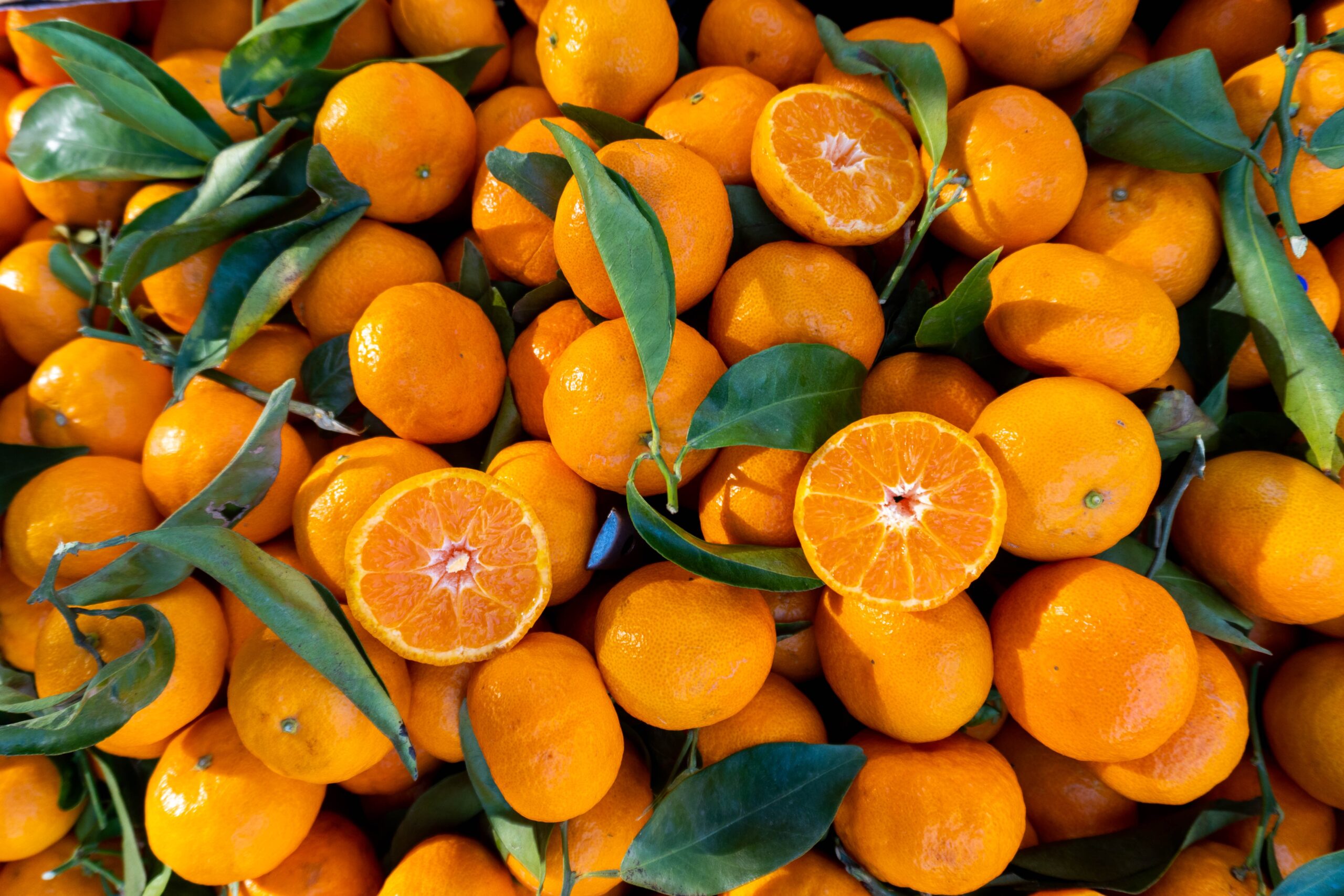
Although Morocco is one of the world’s greatest producers of oranges, the country has considerably cut the amount of Morocco’s orange that it exports. There were just thirty thousand tons of oranges worth thirteen point seven million dollars that were exported from Morocco to other nations in the first eight months of 2023, according to the reports. When compared to this, local growers were successful in delivering 109 thousand tons of these citrus fruits to international markets over the same time period the previous year, resulting in an export revenue of 71 million dollars.
Following Egypt and South Africa in terms of orange output, Morocco is the third largest country in Africa. On the other hand, in contrast to its neighbors on the continent, Morocco is planning, by the conclusion of the current season, to significantly cut back on the number of citrus fruits it ships abroad for several different reasons. The projections made in this analysis indicate that the quantity of oranges exported from Morocco during the 2022–2023 season will plummet to their lowest level in at least the previous eight years.
Morocco’s Orange Export
In 2017, Morocco exported over 160 thousand tons of oranges to overseas markets, marking the pinnacle of its exports of oranges to other countries. Since then, sales volumes have dropped practically yearly, to a minimum this year, and Morocco’s ranking among the world’s exporters has dropped from 11th in 2022 to 13th (based on data from January to August 2023) in the list.
Unfavorable climatic conditions are the main cause of Morocco’s orange exports rapidly declining. The frequency and severity of drought episodes in Morocco are increasing due to climate change and water constraint, and the temperature is rising to dangerously high levels.
For instance, an absolute temperature record was set in the nation in August of this year, despite local growers’ hopes that the high temperatures wouldn’t harm citrus fruits. However, unnatural heat had an impact on yields, which led to a decline in production and a reduction in harvesting areas.
It should be mentioned that the decrease was not limited to Morocco; there was a negative tendency in the production of these citrus fruits worldwide. Natural calamities that major orange suppliers had to deal with, like drought in Spain and Italy, storms in the USA, and frosts in Turkey, had a detrimental impact on orange production.
Data from publications indicates that the world’s largest exporter, Egypt, is anticipating to set a record for orange exports in the 2022–2023 season. Growth in orange exports is anticipating from South Africa, the world’s second-largest orange exporter, in addition to Egypt, since the country’s weather was similarly ideal. Egyptian oranges will therefore be able to capture market share from items that were formerly supplies by Morocco or Spain, thereby intensifying rivalry in the major international markets going forward.
Related Articles: Read more about Morocco’s fruits and vegetables here.
Global Citrus Market
The global citrus market stands as a vibrant and dynamic sector, integral to the agricultural economies of various regions around the world. Characterized by a diverse array of fruits such as oranges, lemons, limes, and grapefruits, the citrus market plays a crucial role in meeting the ever-growing demand for fresh and flavorful produce.
Citrus cultivation spans continents, with major contributors including the United States, Spain, China, and Brazil. These countries leverage diverse climates to ensure year-round availability of citrus fruits, emphasizing the sector’s adaptability to different environmental conditions. The market’s dynamism is further underscore by its response to changing consumer preferences, where citrus fruits are not only cherish for their refreshing taste but also for their nutritional benefits.
Health-conscious trends and the recognition of citrus fruits as rich sources of essential vitamins and antioxidants have fueled the market’s expansion. The global citrus industry has also witnessed technological advancements in cultivation practices, storage, and transportation, enabling efficient supply chain management and reducing post-harvest losses.
Moreover, the citrus market is deeply entrench in international trade, with countries exporting and importing citrus products to meet diverse consumer demands. This intercontinental exchange fosters economic collaborations and establishes citrus as a global commodity.
While the citrus market faces challenges such as weather-related uncertainties and the impact of pests and diseases, ongoing research and sustainable farming practices aim to address these concerns. As the world’s appetite for fresh, healthy produce continues to grow, the global citrus market remains a vital player, offering a harmonious blend of tradition, innovation, and interconnected agricultural economies.
Morocco’s Orange Agricultural Export Challenges
Morocco grapples with a significant downturn in orange production, presenting a formidable challenge to its agricultural export sector. This decline, rooted in climatic uncertainties such as irregular rainfall and temperature fluctuations, jeopardizes the nation’s historical position as a key contributor to the global citrus market. Environmental factors demand adaptive strategies, emphasizing the need for resilient agricultural practices to combat the impact of unpredictable weather patterns.
Simultaneously, Morocco faces heightened competition in the global citrus market, requiring strategic economic realignment. Addressing issues related to production costs, transportation infrastructure, and market responsiveness becomes imperative to regain and sustain competitiveness. Innovative approaches, including investments in research and development, sustainable farming practices, and climate-resilient crop varieties, can mitigate the challenges posed by environmental uncertainties.
Navigating this intricate landscape necessitates a holistic approach, balancing environmental sustainability with economic viability. Collaborations between the public and private sectors, coupled with strategic interventions informed by a comprehensive understanding of global market dynamics, are crucial to revitalizing Morocco’s standing in the global orange export landscape.
Conclusion
In conclusion, Morocco’s challenge in the face of declining orange production underscores the intricate interplay between environmental factors and economic dynamics in the agricultural sector. The nation stands at a crucial juncture, where resilience to climate uncertainties is paramount to sustain its historical role in the global citrus market. Addressing these challenges requires a multifaceted approach, combining adaptive agricultural practices with strategic economic realignment.
As Morocco navigates the complexities of its orange decline, a commitment to innovation and sustainability emerges as a linchpin for future success. Investing in research, fostering public-private collaborations, and embracing climate-resilient technologies can not only mitigate the immediate challenges but also position Morocco as a leader in responsible and competitive citrus production.
The path forward demands a delicate balance between environmental stewardship and economic vitality. By embracing a holistic strategy, Morocco has the potential to not only overcome the current hurdles but also emerge as a resilient and innovative player in the global agricultural landscape.