Connect with us

International Trade & Commerce

Chinese Tea A Gift to the World 

Published

on

Chinese tea | https://fruitsauction.com/

Introduction  

Chinese tea stands as a cherished gift to the world, captivating tea enthusiasts with its rich history and diverse flavors. Originating in ancient China, the art of tea cultivation and preparation has evolved into a global cultural phenomenon. 

Dating back over 5,000 years, Chinese tea holds deep roots in Chinese culture and philosophy.The diversity of Chinese tea is a testament to the vast landscapes and climates across the country. From delicate white tea to robust black tea, each type carries a unique essence reflecting its origin. Oolong tea, with its partial fermentation, strikes a harmonious balance between green and black teas, offering a nuanced flavor profile. 

Beyond its exquisite taste, Chinese tea ceremonies have become an integral part of global tea appreciation. These ceremonies emphasize the significance of every step, from selecting the tea leaves to brewing the perfect cup. It’s a ritual that fosters connection and mindfulness, inviting individuals to savor each moment. 

In recent decades, the popularity of Chinese tea has surged worldwide, with tea aficionados seeking authenticity and quality. As Fruits Auction BV embrace this ancient gift, Chinese tea continues to unite people across borders. By transcending cultural differences and fostering a shared love for this timeless beverage. 

Chinese Tea Culture

Chinese tea culture, deeply rooted in tradition, revolves around the pursuit of the perfect cup of tea. This art, encompassing millennia of refinement, embodies a holistic approach that extends far beyond the simple act of brewing. 

The journey to the perfect cup begins with the careful selection of tea leaves, a process influenced by climate, season, and region. Connoisseurs value the terroir, emphasizing the unique characteristics imparted by the tea’s place of origin. This meticulous attention to detail is integral to Chinese tea culture. 

The brewing process, an intricate dance between water temperature and steeping time, is guided by a deep understanding of the tea variety. Chinese tea ceremonies, whether the elaborate Gongfu Cha or the serene Chaji, also elevate tea preparation to an art form. Each movement is deliberate, reflecting the reverence for the leaves and the moment. 

Beyond the technical aspects, Chinese tea culture emphasizes the importance of ambiance. A tranquil setting, coupled with the right tea ware, enhances the tea-drinking experience. It’s a fusion of taste, aroma, and environment—a symphony orchestrated to achieve the perfect cup of tea. 

As tea enthusiasts worldwide embrace Chinese tea culture, they embark on a journey that transcends beverage preference. It’s an exploration of history, philosophy, and mindfulness, all converging to create a sensory experience that defines the essence of the perfect cup of tea. 

Chinese Tea Traditions  

Chinese tea traditions, steeped in history and cultural significance, encompass a myriad of rituals that elevate tea-drinking to an art form. The Gongfu Cha, a traditional Chinese tea ceremony, stands out as a revered practice. Originating in the Chaozhou region, Gongfu Cha involves precise, sequential steps, from warming the teapot to the meticulous pouring of tea into small cups. This intricate ceremony celebrates the beauty of the brewing process, emphasizing the connection between the tea and the drinker. 

Tea houses, prevalent in Chinese culture, serve as hubs for socialization and relaxation. These establishments provide a space for individuals to partake in tea tastings. By engaging in conversations and immerse themselves in the rich tapestry of tea culture. The concept of “Yum Cha” or dim sum tea gatherings further exemplifies the communal aspect of Chinese tea traditions. This is where friends and family come together to share small bites and various tea varieties. 

Tea appreciation extends beyond the act of drinking, with tea ware playing a crucial role. Traditional tools like Yixing clay teapots, designed to absorb and enhance the flavors of the tea, contribute to the overall sensory experience. Each piece of tea ware carries cultural significance, reflecting the artisanal craftsmanship that has been passed down through generations. 

These traditions not only preserve the essence of China tea culture but also provide a window into the country’s rich history and philosophy, creating a tapestry of rituals that celebrate the beauty and mindfulness of tea-drinking. 

Conclusion  

In conclusion, Chinese tea traditions encapsulate a profound journey through time, blending ancient rituals with a contemporary appreciation for the art of tea. The pursuit of the perfect cup. Whether through the meticulous Gongfu Cha ceremony or the convivial Yum Cha gatherings. They also reflect a cultural reverence for the nuanced flavors and the mindfulness that accompanies tea-drinking. 

China tea culture, with its deep-rooted traditions, extends beyond the act of consumption. It is a holistic experience that engages the senses, fosters community, and reflects a profound connection to nature. The emphasis on terroir, the careful selection of tea leaves, and the significance of tea ware showcase an intricate dance between tradition and innovation, preserving the essence of an age-old practice in a dynamic, evolving world. 

As tea enthusiasts worldwide embrace the diverse offerings of China tea, they become part of a narrative that transcends geographical boundaries. The art of tea becomes a universal language, fostering unity and understanding among individuals who share a passion for the aromatic leaves. Through the vessel of tea, the traditions of China unfurl. By inviting everyone to savor not just a beverage but a cultural heritage that has endured for millennia. In this shared pursuit of the perfect cup, we find a bridge between the past and the present, a testament to the enduring beauty of Chinese tea culture. 

Continue Reading
Click to comment

Leave a Reply

Your email address will not be published. Required fields are marked *

International Trade & Commerce

Spanish Mango Season: What’s the Outlook? 

Find out if the Spanish mango season could start earlier this year and what factors might influence its timing. Explore how weather and market trends impact mango production. 

Published

on

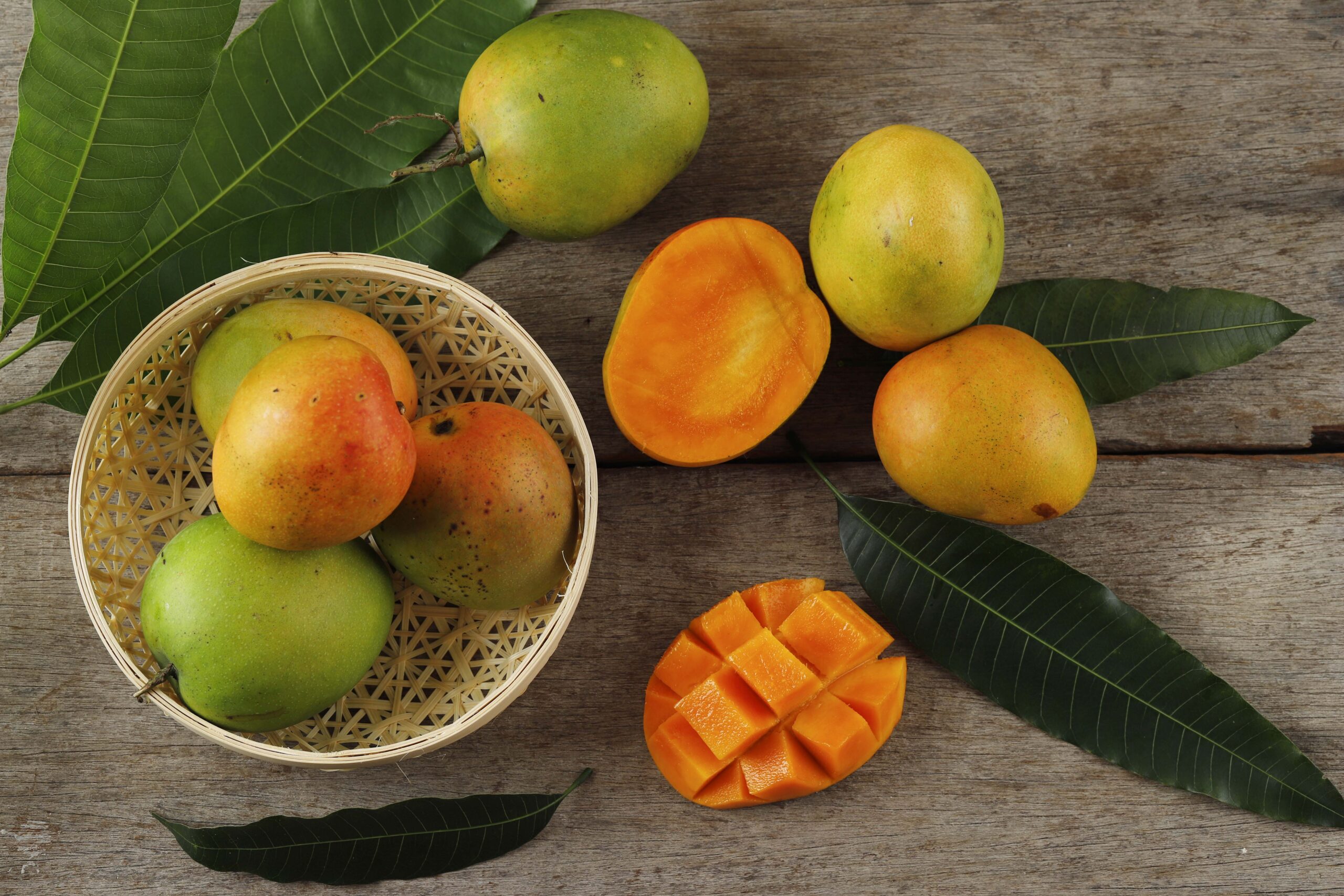
Spanish mango | https://fruitsauction.com/

Introduction  

The Spanish mango season is a delightful time for fruit lovers. There’s nothing like a ripe, juicy mango, and Spain produces some of the best. This year, however, there’s talk that the season might kick off earlier than usual. Why? Well, there are several factors at play, and weather tops the list.  

Spain’s mild climate helps its mangoes grow big and sweet, but weather changes can affect when the fruit ripens. If it’s been a warm spring, mangoes might be ready earlier. But if there’s been too much rain or not enough sun, the season could be delayed. Apart from weather, market trends also play a role. A high demand for mangoes can encourage growers to start picking as soon as they’re ready. 

In this article by Fruits Auction BV, we’ll investigate the current weather patterns in Spain and how they’re likely to affect this year’s mango season. We’ll also explore market trends and what they mean for mango lovers. If you’re a fan of these delicious fruits or just curious about Spanish agriculture, you’re in the right place. Keep reading to find out if you should expect mangoes to hit the market sooner than later. Don’t forget to share this article with your fellow fruit enthusiasts! 

Spanish Mango Season  

The Spanish mango season typically starts in late August or early September. However, an early start is possible depending on a variety of factors. The climate in Spain’s mango-growing regions, like Andalusia and the Canary Islands, plays a significant role in determining when the season kicks off. If the spring has been particularly warm and sunny, mangoes might ripen earlier, leading to a quicker harvest. 

Another factor that could lead to an early start is market demand. With mangoes growing in popularity, both domestically and internationally, farmers might aim to get their produce to market sooner. This is especially true if they believe there’s a high demand for Spanish mangoes, which are known for their sweet flavor and excellent quality. 

The early start to the season has its advantages, allowing consumers to enjoy fresh mangoes sooner. However, it can also bring challenges for farmers, who need to ensure the fruit is ripe and ready for picking. If you’re wondering when to expect the first Spanish mangoes of the year, keep an eye on weather reports and market trends. They can give you a good idea of whether you’ll be enjoying your favorite fruit a little earlier than usual. 

Spanish Mango Production 

The Spanish mango production this year is experiencing shifts due to significant weather impact. Warm temperatures and sunny days in the early spring have encouraged faster growth, suggesting a potentially higher yield and an earlier harvest. However, this kind of weather can be a double-edged sword. While it can lead to larger and sweeter mangoes, it can also cause stress to the trees, especially if it’s accompanied by a lack of rainfall. 

On the other hand, unexpected weather patterns, like late spring frosts or heavy rainfall, could have disrupted the usual growing season, impacting both the quality and quantity of the mangoes. If the weather conditions continue to be favorable, you can expect a robust crop, but if adverse weather persists, growers might face challenges. 

Spanish mango production seems poised for a good year, but it’s essential to stay updated on the weather’s impact as the season progresses. Keep an eye on local reports for the latest news. 

Conclusion 

In conclusion, the Spanish mango season is shaping up to be interesting, with many factors contributing to its success. The weather’s impact on production plays a critical role, and this year has shown signs of a potentially early start. Warm and sunny conditions in the spring have created favorable growing environments, hinting at a plentiful harvest and perhaps a quicker arrival of mangoes on the market. 

However, the unpredictability of weather patterns remains a concern. While a mild spring can lead to an early and bountiful season, sudden changes like unexpected frosts or heavy rains can alter the course of production. Farmers must be adaptable, using their experience and knowledge to mitigate risks and ensure a high-quality crop. 

Market trends also influence the season’s outlook. With increasing demand for Spanish mangoes, there’s pressure to meet expectations, which could motivate growers to start harvesting sooner. It’s a balancing act, where the need to satisfy the market is weighed against ensuring the fruit’s peak quality. 

Overall, if the favorable conditions persist, Spanish mango enthusiasts can look forward to a great season. To stay updated on the latest developments, keep an eye on weather forecasts and market reports. With any luck, you’ll be enjoying delicious Spanish mangoes in no time. 

Continue Reading

International Trade & Commerce

PLUM VARIETIES: DELAYS IN TRANSIT IMPACT SUPPLY

Published

on

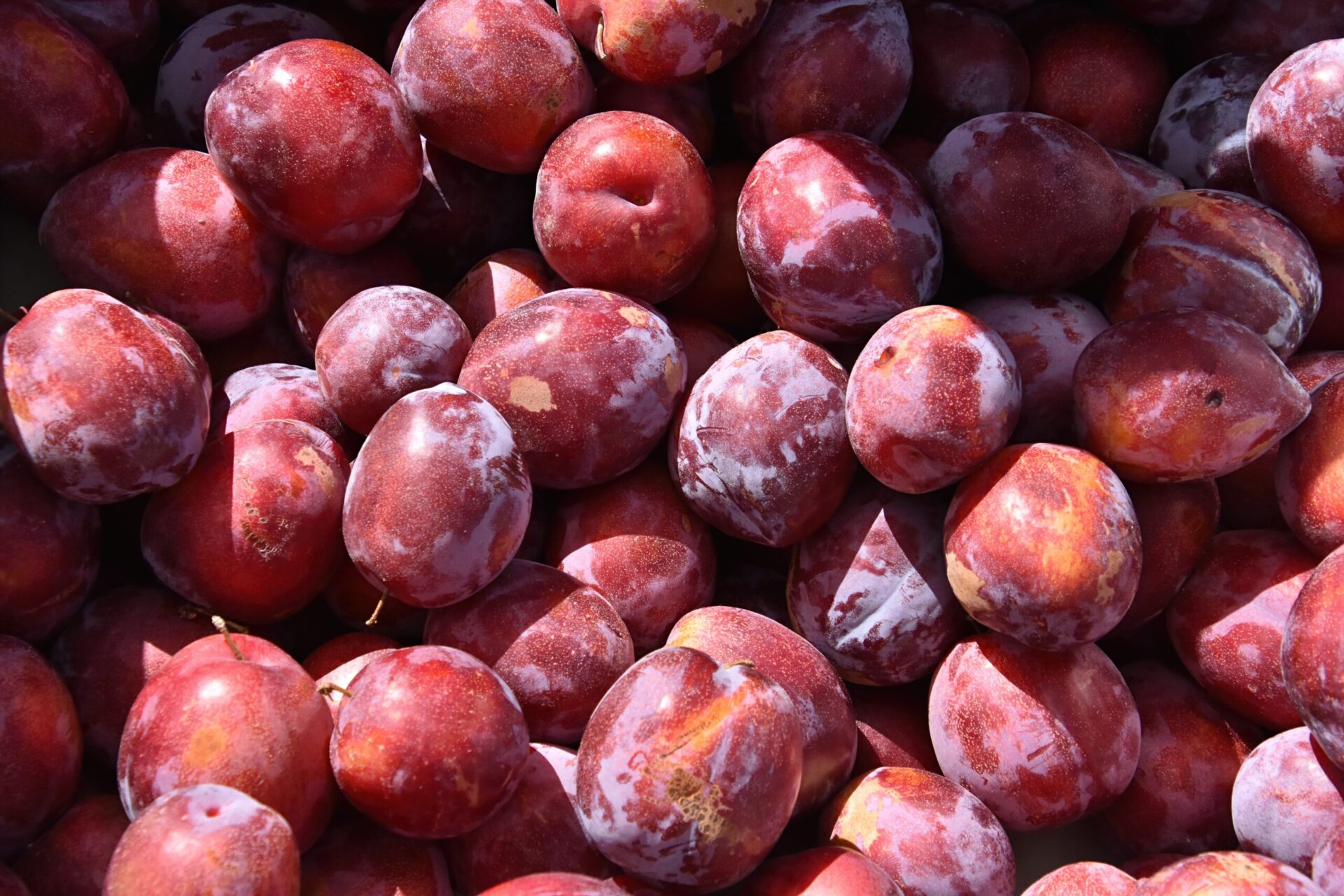
Photo by Townsend Walton: https://www.pexels.com/photo/close-up-shot-of-plums-9591744/

In recent news, transit times to Brazil have experienced a significant increase from 9 to 17 days. This is causing a disruption in the arrival of certain plum varieties. This delay has resulted in challenges for suppliers and consumers alike.

The plum season has started in Extremadura, Spain, with fewer kilograms than anticipated. While the peach and nectarine campaigns are nearing their conclusion. The mid-season and late types eventually produced results that were comparable. Contrary to our initial expectations that only the May and June kinds would experience a decrease in production.

We believed that the early and extra-early kinds has escape damage when we were attacked by frosts in April, but as time went on, it became apparent that the rest had also been harmed. There are kinds with up to 30–50% productivity losses, and it has been evident during the entire campaign. Prices have increased due to the decrease in production in Spain’s (by far) primary plum-producing region. Even if this might be exactly what we need, there are alternative origins that can supply the European market, both inside and outside the EU, therefore the market isn’t always willing to absorb such increases.

Plums from Turkey, Hungary, or Romania can also be found in Germany, the Netherlands, and all of the Nordic nations. These marketplaces are not our primary ones since consumers from those nations prioritize buying their own items on these other markets. If there was overlap with those competitors in regions where we supply our different plum varieties and in which we are extremely well-established, such as the nations of Eastern Europe, where this year we are observing a decline in our plum sales owing to the conflict in Ukraine, that would be an issue.

Impact on Plum Suppliers

The extended transit times have posed a major setback for plum suppliers who rely on timely deliveries to meet consumer demand. With the delay in transportation, suppliers are struggling to maintain a steady supply of plum varieties, leading to potential financial losses. In Brazil on August 29, 2023, the transit times for plum supplies experienced a notable increase from 9 to 17 days. This delay has had a significant impact on the availability of plum in the country. Plum suppliers are facing challenges in meeting consumer demand due to the prolonged transportation process. The extended transit times have led to a shortage of certain plum varieties, causing disruptions in local markets and affecting consumers who rely on these fruits. Efforts are being made to find alternative transportation routes and streamline logistics processes to mitigate the impact on plum supplies in Brazil.

Fruit Shortage in Brazil

As a consequence of the prolonged transit times, Brazil is experiencing a shortage of certain plum varieties. This scarcity has affected local markets and consumers who rely on these fruits for various purposes. Including culinary uses and nutritional benefits. Brazil experienced a fruit shortage due to various factors. The prolonged transit times for plum supplies, as well as other fruits, contributed to this scarcity. The delays in transportation disrupted the timely arrival of fruits. Leading to a limited availability of certain varieties in local markets. This shortage affected consumers who rely on fruits for their culinary needs and nutritional benefits. The fruit shortage prompted consumers to explore alternative options or substitute with other fruits. Efforts are being made to address the logistics challenges and find solutions to ensure a steady supply of fruits in Brazil.

Increased Costs and Logistics Challenges

The longer transit times have also resulted in increased costs and logistical challenges for both suppliers and transport companies. The additional time required for transportation has led to higher shipping expenses, impacting the overall profitability of the plum industry. Brazil faced increased costs of plum varieties and logistics challenges that impacted various industries. The prolonged transit times and disruptions in the supply chain led to higher transportation costs, as companies had to find alternative routes or modes of transportation. Additionally, the logistics challenges posed hurdles in delivering goods on time, resulting in delays and inefficiencies. These increased costs and logistical difficulties affected businesses across sectors, including agriculture, manufacturing, and retail. Efforts were made to streamline processes, optimize routes. And find innovative solutions to mitigate the impact and restore smoother operations in Brazil.

Search for Alternative Transportation Routes

In response to the transit delays, suppliers and transport companies are actively seeking alternative transportation routes to expedite the delivery process. Exploring new routes and logistics strategies is crucial to minimize the impact on plum variety availability. Brazil embarked on a search for alternative transportation routes to address the challenges faced in the fruit supply chain. The prolonged transit times and disruptions in logistics prompted the need for innovative solutions. Efforts were made to identify alternative routes that could expedite the transportation of fruits and reduce delays. This involved exploring different modes of transportation. Such as air freight or alternative road networks, to ensure a smoother flow of goods. The goal was to optimize the supply chain and minimize the impact of transportation issues on the availability of fruits in local markets.

Consumer Adaptation

Consumers in Brazil are adapting to the shortage of certain plum varieties by exploring alternative options or substituting with other fruits. This flexibility in consumer behavior helps mitigate the impact of transit delays on their daily routines and dietary preferences.

Collaboration and Solutions

To address the challenges posed by the extended transit times. Stakeholders in the plum industry are collaborating to find viable solutions. This includes working closely with transportation companies, exploring technological advancements, and streamlining supply chain processes. Various stakeholders, including government agencies, businesses, and industry associations, came together to address the increased costs and logistics challenges. Collaborative initiatives are launch to streamline processes, optimize transportation routes, and improve the efficiency of the supply chain. This involved sharing best practices, leveraging technology, and exploring innovative solutions for the growth of different plum varieties. The aim was to find sustainable and long-term solutions that would not only mitigate the immediate impact. But also strengthen the resilience of the logistics infrastructure in Brazil. Through collaboration, progress was made towards overcoming the challenges and ensuring smoother operations in the future.

Continue Reading

International Trade & Commerce

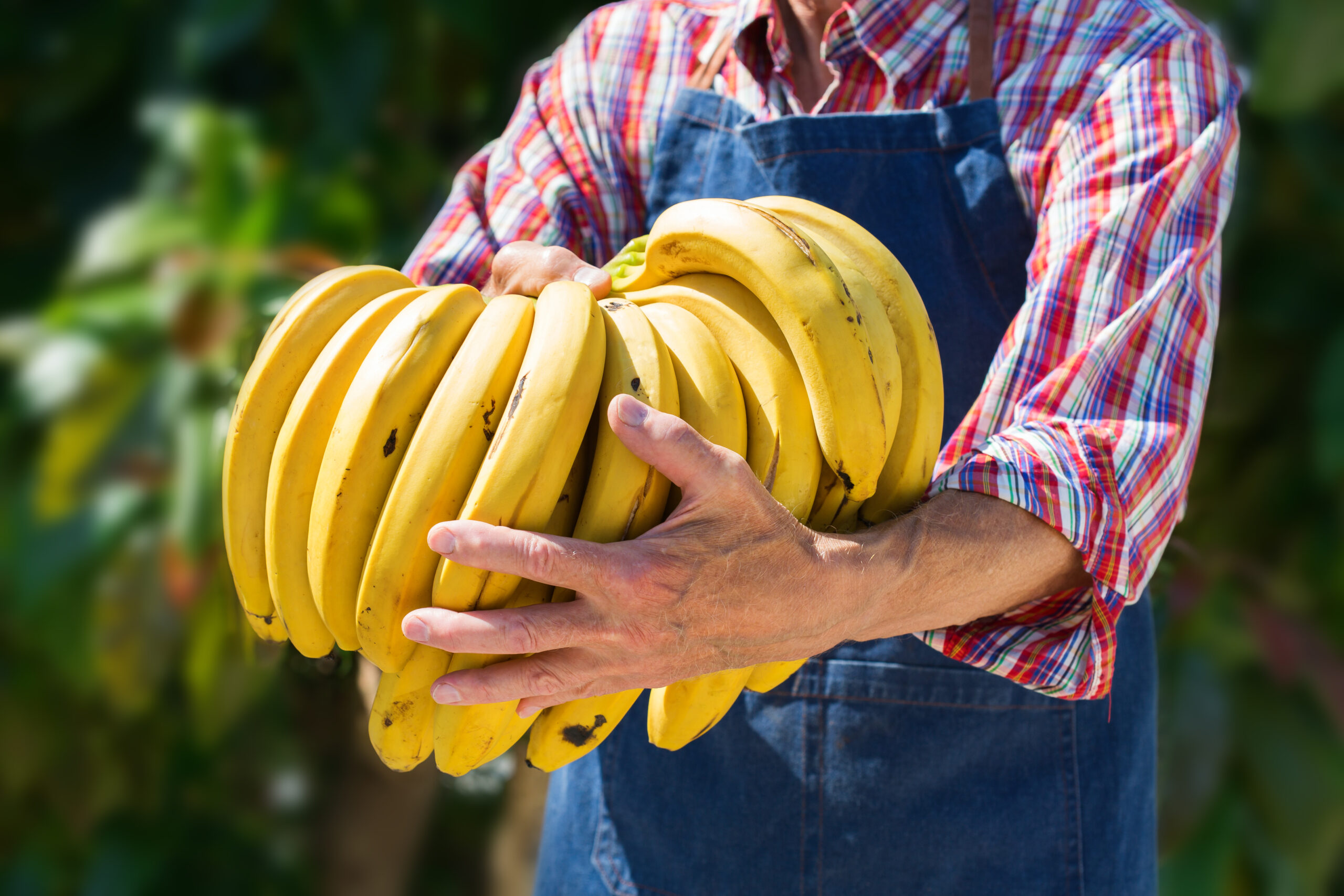
Russian Banana Sales Decline: Understanding Market Dynamics 

Explore the factors contributing to the notable decrease in banana sales in Russia during the year 2024. Gain insights into shifting consumer trends and market dynamics. 

Published

on

Russian Banana | https://fruitsauction.com/

Explore the factors contributing to the notable decrease in banana sales in Russia during the year 2024. Gain insights into shifting consumer trends and market dynamics. 

Introduction  

In 2024, the Russian banana market experienced a notable decline in sales, prompting an investigation into the underlying factors driving this downturn. Several key dynamics are likely at play in this shift. Firstly, economic fluctuations and currency devaluation may have impacted consumers’ purchasing power, leading to reduced spending on non-essential items like imported fruits. Additionally, changes in trade policies or geopolitical tensions could have disrupted supply chains, resulting in decreased availability or increased prices of bananas in the Russian market. 

Moreover, evolving consumer preferences and health consciousness may have influenced purchasing decisions. As consumers become more health-conscious, they may opt for locally grown or organic fruits over imported varieties like bananas. Furthermore, shifts in lifestyle patterns, such as increased focus on convenience or preference for alternative snacks, could have diverted consumer spending away from bananas. 

By gaining insights into these factors from Fruits Auction BV, stakeholders can adapt their strategies to address changing consumer needs and navigate the evolving landscape of the Russian banana market.  

Russian Banana Sales  

The Russian banana market has witnessed a downturn in sales in 2024, characterized by a notable decline in consumer demand. This decline in sales can be attributed to various factors influencing the market dynamics. Economic instability, including fluctuations in currency valuation and income levels, has likely contributed to the reduced purchasing power of consumers, leading to a decline in spending on imported fruits like bananas. Moreover, trade tensions or policy changes may have disrupted the supply chain, caused logistical challenges and potentially driving up prices, further dampening consumer interest. 

Furthermore, changing consumer preferences and behaviors have played a significant role in the sales decline. There’s a growing trend towards health-conscious consumption, with consumers increasingly favoring locally sourced or organic produce over imported fruits. This shift reflects a broader societal emphasis on wellness and sustainability. Additionally, the emergence of alternative snack options and changing lifestyle patterns, such as increased emphasis on convenience, has diverted consumer spending away from traditional fruit choices like bananas. 

To address the sales decline in the Russian banana market, stakeholders must closely monitor and adapt to these evolving market dynamics. Strategies focused on product innovation, pricing adjustments, supply chain optimization, and targeted marketing efforts can help mitigate the impact of these challenges and regain consumer confidence in banana consumption. 

Russian Banana Market Dynamics   

The dynamics of the Russian banana market are influenced by various factors, including shifting consumer trends. Consumer trends play a pivotal role in shaping purchasing behavior and market demand. In recent years, there has been a noticeable shift towards healthier eating habits and increased awareness of sustainability and environmental impact.  

As a result, consumers in Russia are increasingly seeking out locally sourced or organic produce, favoring them over imported fruits like bananas. This preference for healthier and more sustainable options reflects broader societal changes and influences purchasing decisions in the banana market.  

To adapt to these evolving consumer trends, stakeholders in the banana industry need to innovate their products, emphasize sustainability in their supply chains, and implement targeted marketing strategies that resonate with health-conscious consumers. By aligning with consumer trends, companies can better navigate the dynamic landscape of the Russian banana market. 

Conclusion 

In conclusion, the decline in banana sales in the Russian market during 2024 can be attributed to a combination of economic factors, supply chain disruptions, and shifting consumer trends. Economic instability, including currency devaluation and fluctuating income levels, has impacted consumers’ purchasing power, leading to reduced spending on imported fruits like bananas. Additionally, trade tensions and policy changes have introduced uncertainties in the supply chain, affecting availability and prices of bananas. 

Moreover, changing consumer preferences towards healthier and more sustainable options have influenced purchasing behavior, with consumers increasingly opting for locally sourced or organic produce over imported fruits. This trend reflects a broader societal shift towards health-conscious consumption and environmental awareness. 

To address the challenges posed by these market dynamics, stakeholders in the banana industry need to adopt proactive strategies. This may include diversifying product offerings, optimizing supply chains for efficiency and resilience, and engaging in targeted marketing campaigns that resonate with health-conscious consumers. 

By understanding and responding to the interplay of economic, logistical, and consumer-driven factors, stakeholders can navigate the evolving landscape of the Russian banana market and position themselves for sustainable growth in the future. 

Continue Reading

Trending

Copyright © 2023 Fruits Auction. Developed by Digital Help Ltd