CHILEAN BLUEBERRIES
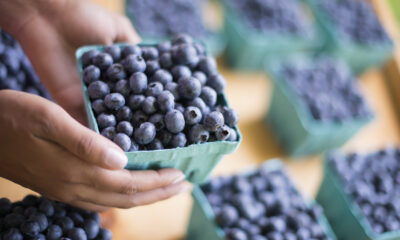
Chilean Blueberry has emerged as a significant player in the blueberry sector as the leading provider of fresh fruit for the northern hemisphere during the off-season. CHILEAN BLUEBERRY EXPORTS HAVE INCREASED SIGNIFICANTLY from US$ 30 million (about 4,000 tons) in 2000 to US$ 380 million (94,000 tons) in 2011. The acreage, varieties, management techniques, lengthening of the harvest season, and soil and climatic conditions of the four main blueberry-growing regions—North, Central, South-central, and South—are discussed. Most fruit is from highbush types, hand-picked, and shipped fresh to the United States via boat. The bulk of fruit exports occur between mid-December and late January when prices are at their lowest. With 5,075 hectares (51.1% of the area planted), the south-central region (latitudes 34o50′ to 38o15′ S) was the most significant in 2007.
October through April are the months when Chilean blueberry are available. One of the biggest exporters of blueberries worldwide is Chile. Fifteen thousand six hundred one hectares of highbush blueberries are grown in Chile. These are organic to a degree of 17%. Chile is dedicated to continuously seeking new and improved kinds to offer consumers a superb experience in terms of flavour, size, and texture. The global market for Chilean blueberries will continue to rise as new technologies for producing, harvesting, packing, and shipping are developed.
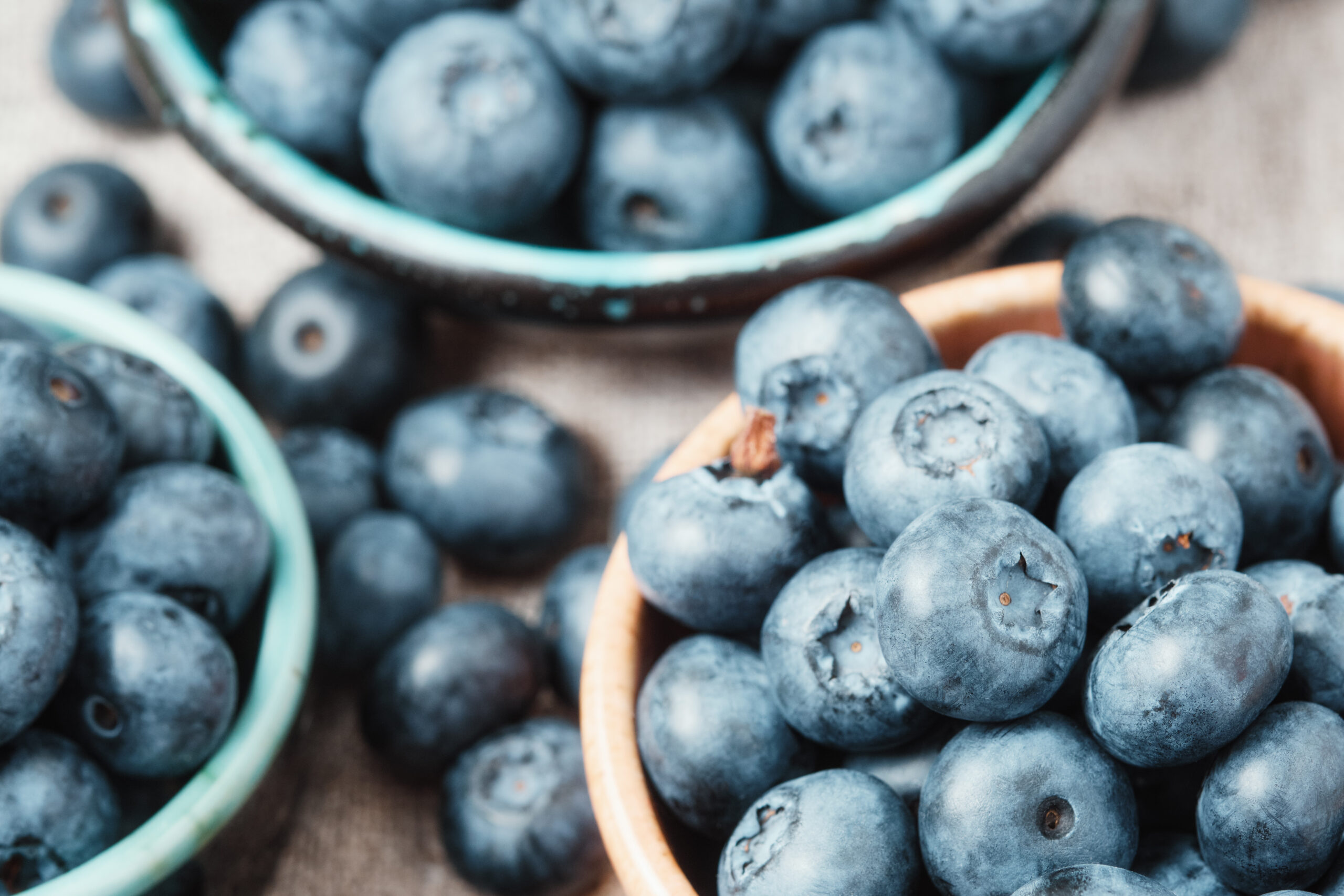
Having a high concentration of minerals and being rich in antioxidants, which guard against the harm caused by free radicals, makes blueberries a “superfood.” Only 42 calories are contained in one cup of naturally fat-free blueberries. Although low in calories, blueberries are an excellent source of vitamin C, supplying 16% of the daily required amount. They are also a good source of fibre.
SOUTHERHEN HEMISPHERE HARVEST
The species belongs to the Vaccinium genus, which contains about 450 evergreen and deciduous shrubs. Three different blueberry species are known: Highbush, Lowbush (wild), and Rabbiteye.
Southern highbush blueberry cultivars are hybrid varieties created by mating one or more low-chill blueberry species indigenous to the Southeast United States with northern highbush cultivars.
When it comes to nutritious diets and foods high in vitamins and antioxidants, blueberries are frequently at the top of the list. For half the year, the fresh blueberries we eat today are imported from outside North America. The highbush blueberry harvest season in North America lasts from April through October. As the North American blueberry season is ending, farmers in South America start gathering blueberries. Chefs depend on shipments of South American blueberries to maintain the freshness and variety of their dishes all year long.
Early in the 1970s, blueberries were first brought to Australia. By 1978, it had become clear that the Southern Highbush and Rabbiteye cultivars, originally from the southern states of America, would thrive in the warmer climate of the NSW North Coast and yield high-quality, early-season fruit. From June through February, these types are harvested.
Most blueberry production in southern Australia is concentrated in Tasmania and Victoria, particularly in the Yarra Valley. The season runs from December to April. As new varieties are introduced, a steady supply of blueberries will be available all season long.
Chile is in the lead when consistently supplying fresh blueberries of the highest quality and safety. In 2014, Chile produced 81% of all blueberries in the Southern Hemisphere, far outpacing Australia, New Zealand, Argentina, and Uruguay production. Chile is ranked as the second-largest producer of blueberries grown on farms in the Southern Hemisphere and globally.
FRESH BLUEBERRY SEASON
Blue skies, hot days, and cool nights are ideal for growing blueberries. They are indigenous to North America and are harvested from late April to early October. South America is in the midst of summer during the North American winter, and our overseas farmers supply grocery shops with fresh blueberries from November to March. A little dose of blue is always in order!
Florida will likely be the first State in the nation to harvest blueberries this year, followed by other southern states and California. The Texas shows up, followed by a massive New Jersey harvest reaching supermarkets. The year comes to a close with Michigan, Maine, and other northern states.
More and more states in the United States are already growing blueberries. Due to the wide variety of currently available cultivars, they are hardy bushes that can withstand a fair range of temperatures and climates.
Blueberries thrive across the country and are harvested during the summer months. Depending on the State you are in, the blueberry harvest season lasts from March through September. Maine and Idaho have the latest harvest, which ends in late September, and Florida has the earliest harvest, which starts in late March.
You can have fresh blueberries throughout the majority of the year by growing a few different cultivars, as there are numerous distinct blueberry kinds with various harvest times.