Introduction
In the ever-evolving landscape of agricultural production, the consistency of Portuguese citrus fruit volumes compared to the previous year stands as a testament to the resilience and stability of the industry. This insightful exploration takes us on a journey through the orchards of Portugal, unraveling the factors that contribute to the unwavering steadiness in citrus fruit production. As we delve into the intricacies of cultivation practices, climate influences, and market dynamics, a comprehensive understanding emerges, shedding light on the delicate balance that maintains stable yields.
This analysis not only provides a snapshot of the current state of Portuguese citrus fruit production but also offers valuable insights into the challenges and innovations driving the industry forward. Join us as we navigate through the groves, examining the careful orchestration of factors that enables Portugal to maintain a steady course in citrus fruit volumes, ensuring both continuity and sustainability in this vital sector.
Portuguese citrus fruit
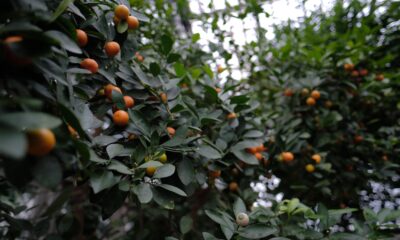
Nestled along the sun-kissed landscapes of Portugal, the cultivation of citrus fruits has become a vibrant and integral facet of the country’s agricultural tapestry. Renowned for its diverse range of citrus varieties, Portugal boasts a rich harvest that encompasses succulent oranges, lemons, limes, and grapefruits. The meticulous cultivation practices employed by Portuguese citrus farmers contribute to the exceptional quality and flavor profiles of these fruits, fostering a reputation for excellence in the global market.
The unique combination of Portugal’s favorable climate, with its mild winters and warm, sun-drenched summers, provides an ideal environment for citrus cultivation. The fertile soils, coupled with a dedication to sustainable farming practices, further enhance the robustness of citrus orchards across the country. This commitment to sustainable agriculture not only ensures the production of high-quality fruits but also reflects a harmonious relationship between nature and cultivation.
Portuguese citrus fruits, celebrated for their juiciness and aromatic zest, have carved a niche in international markets. Beyond their culinary appeal, these fruits embody a cultural richness, symbolizing the nation’s commitment to agricultural excellence. As Portugal’s citrus orchards continue to flourish, the sector stands as a testament to the harmonious interplay of tradition, innovation, and environmental stewardship, shaping a citrus legacy that delights palates worldwide.
Crop volume comparison of the Portuguese Citrus Fruit
The new orange and clementine orchards that are starting to produce will make up for this year’s somewhat lower production, eventually reaching “volumes almost identical to those of last year.” Although the extremely high summer heat raised concerns about grading, September’s rains helped to maintain some normalcy. According to Eric Tastayre, Portuguese citrus fruits are outstanding this year once more in terms of both flavor and appearance. With the release of the Newhall variety, the PGI leaf orange season began one week ago. Up until the end of the season, there will be two more: the Lanelate and Valencia Late. This year, 400 tons of clementines and 6,000 tons of oranges should be sold.
Agriculture trends Of Portuguese Citrus Fruit
As we step into the agricultural landscape of Portugal in 2023, the trends shaping the cultivation of citrus fruits stand as beacons of innovation and sustainability. The year unfolds with a continued emphasis on technological integration in citrus farming, as precision agriculture takes center stage. From smart irrigation systems to data-driven crop management, Portuguese citrus farmers are leveraging cutting-edge technologies to optimize resource use and enhance overall productivity.
Climate resilience remains a key focus in 2023, as farmers adapt to changing weather patterns. Sustainable practices, including water conservation and organic farming methods, are gaining momentum, aligning with global efforts to promote environmentally friendly agriculture. These trends not only respond to the challenges posed by climate change but also position Portugal as a leader in responsible citrus production.
Market diversification emerges as a strategic move, with Portuguese citrus fruit producers exploring new international markets. This expansion is fueled by the reputation of Portugal’s citrus fruits for premium quality and unique flavor profiles. As global consumer preferences evolve, the adaptability of Portuguese farmers to cater to diverse markets becomes a pivotal aspect of the agricultural landscape.
Furthermore, 2023 witnesses a heightened awareness of the importance of biodiversity in citrus orchards. Farmers are implementing practices that promote a balance between agricultural activities and the preservation of natural ecosystems, fostering a holistic and sustainable approach to citrus cultivation.
In summary, the agriculture trends of Portuguese citrus fruits in 2023 reflect a dynamic industry at the intersection of technology, sustainability, and market acumen. As the year unfolds, these trends pave the way for a resilient and forward-thinking citrus sector in Portugal.
Conclusion
In conclusion, the agricultural trends surrounding Portuguese citrus fruit in 2023 paint a picture of an industry in constant evolution and adaptation. From the integration of cutting-edge technologies to address climate challenges and optimize resource use, to a strategic focus on market diversification and sustainability, the citrus farming landscape in Portugal is marked by innovation and resilience. The commitment to environmentally friendly practices, coupled with a keen awareness of global market dynamics, positions Portuguese citrus farmers as stewards of both tradition and progress. As the year progresses, these trends not only fortify the sector against external pressures but also underline Portugal’s role as a leader in responsible and forward-thinking citrus cultivation. The journey of Portuguese citrus fruit in 2023 reflects a harmonious blend of tradition, technological advancement, and environmental consciousness, ensuring a promising and sustainable future for this vital component of the nation’s agricultural heritage.