Introduction
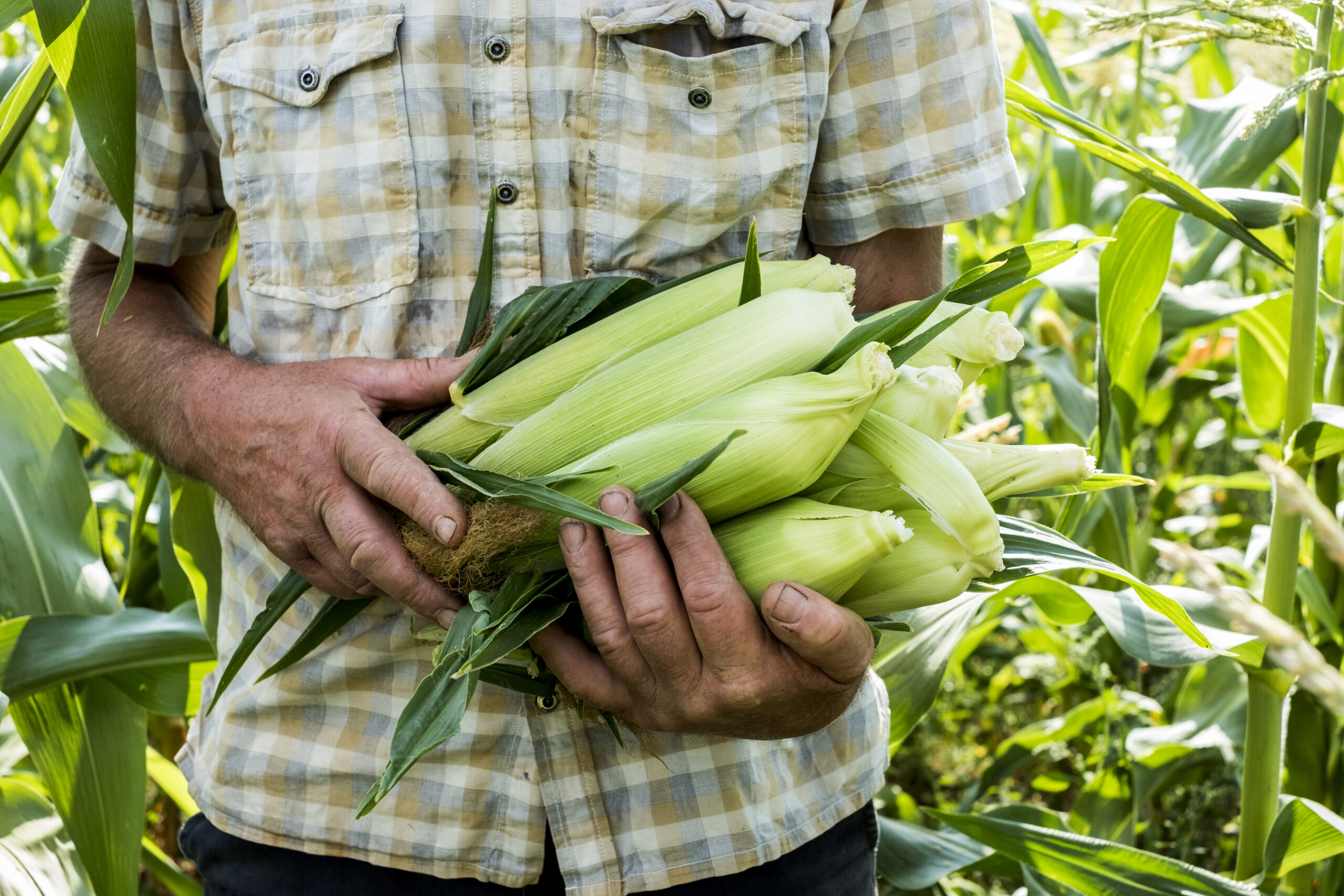
In the pursuit of sustainable agriculture, researchers have turned their attention to perennial corn as a promising avenue for addressing the challenges facing modern farming practices. Unlike traditional annual corn varieties that require replanting each year, perennial corn offers the potential for reduced soil erosion, enhanced carbon sequestration, and increased biodiversity on farmland. This exploration into perennial corn represents a crucial step forward in the quest for agricultural practices that balance productivity with environmental stewardship.
At its core, the study of perennial corn delves into the intricate dynamics between crop resilience, soil health, and ecosystem sustainability. By understanding how perennial corn interacts with its environment, scientists aim to unlock innovative farming solutions that mitigate the negative impacts of conventional agriculture, such as soil degradation and greenhouse gas emissions. Moreover, the adoption of perennial corn could hold significant implications for global food security, particularly in the face of climate change and population growth.
As Fruits Auction BV embark on this journey of discovery, it becomes increasingly evident that the future of agriculture hinges on our ability to embrace and adapt to sustainable farming practices. Through collaborative research efforts and interdisciplinary approaches, we stand poised to harness the full potential of perennial corn and usher in a new era of environmentally conscious agriculture. This article discusses the multifaceted aspects of perennial corn research, exploring its benefits, challenges, and the transformative impact it could have on the future of farming.
Perennial Corn
The origins of perennial corn can be traced back to the early efforts of plant breeders and scientists seeking to develop crops with enhanced sustainability and resilience. The concept of perennial crops, which live and produce harvestable yields for multiple years without the need for annual replanting, has long been of interest to agricultural researchers aiming to address the environmental and economic challenges associated with conventional farming practices.
The specific development of perennial corn involved the careful selection and breeding of corns varieties with traits conducive to perennial growth. This process often involved crossing traditional annual corns varieties with wild perennial relatives, such as teosinte, a grass species native to Mexico and Central America and considered the ancestor of modern maize. Through successive generations of breeding and selection, researchers aimed to incorporate traits such as deep root systems, increased resistance to pests and diseases, and improved tolerance to environmental stressors like drought and flooding.
Over time, advances in biotechnology, genomics, and breeding techniques have further accelerated the development of perennial corn varieties with enhanced traits and productivity. Today, ongoing research continues to refine and expand the genetic diversity of corns, offering the potential for even greater resilience and sustainability in agricultural systems worldwide.
Perennial Corn Sustainable Farming
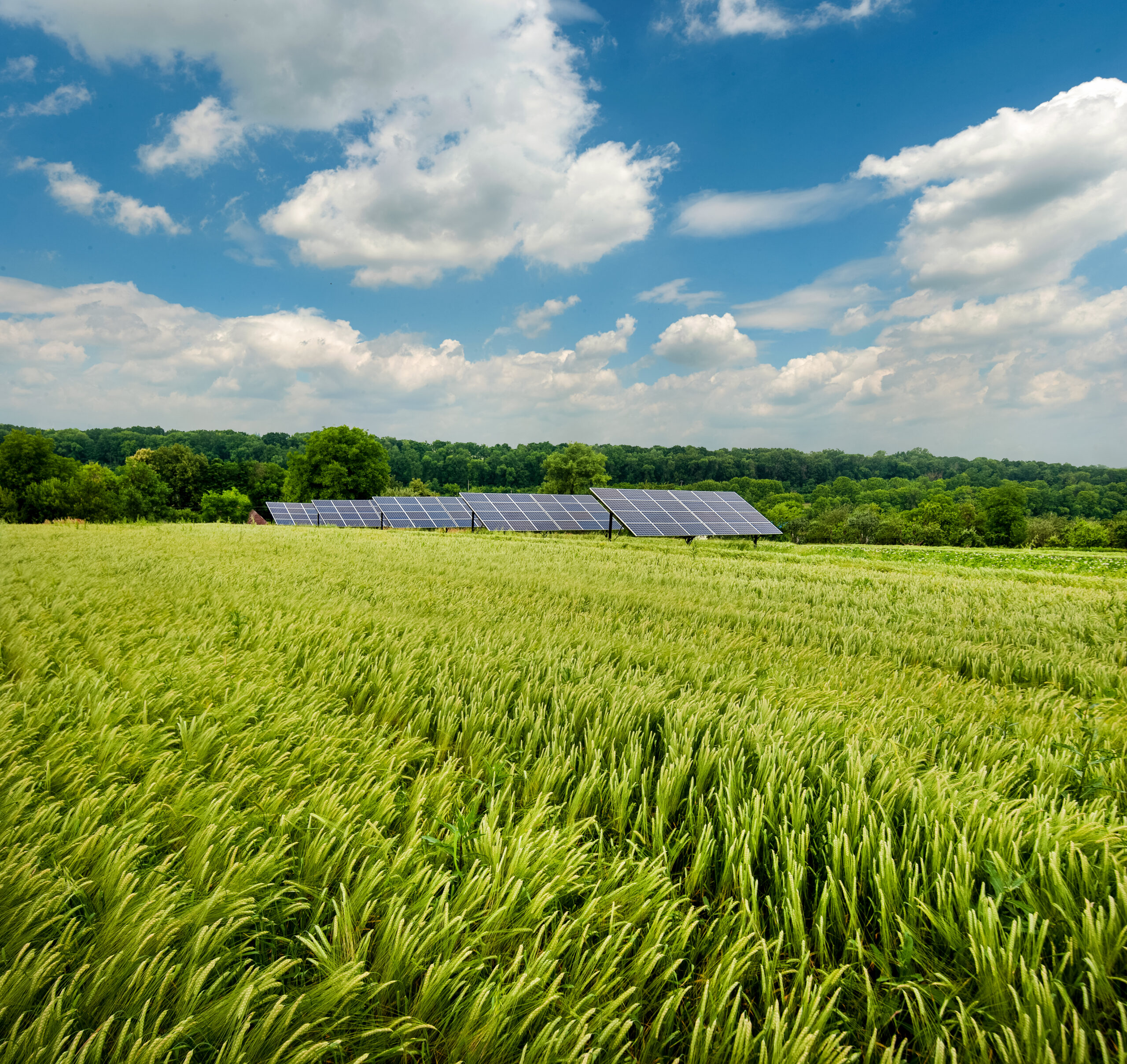
Perennial corn represents a significant stride toward sustainable farming practices by offering a novel approach to crop cultivation that aligns with the principles of environmental stewardship and long-term resource conservation. Unlike conventional annual corn varieties, which require annual replanting, corns plants persist for multiple growing seasons, thereby reducing the need for soil disturbance and minimizing erosion. This characteristic promotes soil health and stability, contributing to the preservation of vital ecosystems and the maintenance of agricultural productivity over time.
Moreover, the deep root systems of corn plants facilitate efficient nutrient uptake and water retention, thereby enhancing resource use efficiency and reducing the reliance on synthetic fertilizers and irrigation. By minimizing input requirements and promoting natural processes, corn cultivation can mitigate the environmental impacts associated with conventional farming practices, such as nutrient runoff and water pollution.
Additionally, the extended growing season of corns offers opportunities for increased carbon sequestration, as the plants continue to photosynthesize and store atmospheric carbon dioxide throughout the year. This carbon capture potential helps mitigate climate change by reducing greenhouse gas concentrations in the atmosphere.
Overall, perennial corn holds promise as a sustainable farming solution that not only supports agricultural productivity but also fosters ecological resilience and environmental health for future generations.
Perennial Corn Agricultural Research
Agricultural research focused on perennial corn encompasses a broad spectrum of investigations aimed at understanding and optimizing various aspects of its cultivation, genetics, and ecological impact. Scientists engaged in this research endeavor to unlock the full potential of perennial corn as a sustainable agricultural solution that addresses pressing environmental and societal challenges.
One key area of study involves genetic breeding and selection, where researchers aim to develop varieties with desirable traits such as increased yield, pest and disease resistance, and enhanced tolerance to environmental stresses like drought and heat. Through traditional breeding methods and modern biotechnological approaches, scientists seek to harness the genetic diversity within maize and its wild relatives to create resilient and productive corns cultivars.
Furthermore, agricultural researchers explore agronomic practices and management strategies tailored to its production systems. This includes investigating optimal planting densities, nutrient management techniques, and weed control methods to maximize yields while minimizing environmental impacts.
Ecological research plays a vital role in assessing the broader implications of its cultivation on biodiversity, soil health, and ecosystem services. By studying the interactions between perennial corn and its surrounding environment, researchers aim to develop holistic farming systems that promote ecological resilience and sustainability.
Overall, agricultural research on perennial corn is multidisciplinary and collaborative, drawing upon expertise from fields such as genetics, agronomy, ecology, and socioeconomics to advance our understanding of this innovative farming approach and its potential to transform agriculture for the better.
Conclusion
In conclusion, the exploration of perennial corn as a sustainable farming solution represents a pivotal step towards addressing the complex challenges facing modern agriculture. Through extensive research and innovation, scientists have demonstrated the potential of it to revolutionize farming practices, offering a viable alternative to conventional annual crops that balances productivity with environmental stewardship.
The development of perennial corn varieties with enhanced resilience and productivity holds promise for improving soil health, conserving resources, and mitigating the adverse impacts of climate change. By fostering deep root systems, efficient nutrient uptake, and extended growing seasons, it cultivars offer opportunities to enhance agricultural sustainability and promote ecosystem health.
Moreover, agricultural research on perennial corn underscores the importance of interdisciplinary collaboration and holistic approaches to addressing global food security and environmental sustainability challenges. By integrating insights from genetics, agronomy, ecology, and socioeconomics, researchers can develop comprehensive farming systems that optimize productivity while minimizing environmental footprint.
As we move forward, it is essential to continue investing in research and development efforts aimed at advancing perennial corn cultivation and scaling up its adoption within agricultural landscapes worldwide. Through collective action and commitment to sustainable farming practices, we can realize the transformative potential and build a more resilient and environmentally sustainable food system for future generations.