Connect with us

Government Regulations & Policies

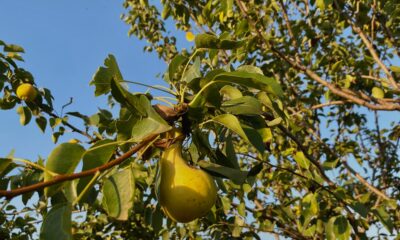
Pear Inflation the Causes and Consequences

Published

on

Pear Inflation | https://fruitsauction.com/

Introduction 

In the bucolic expanses of orchards, where the delicate blossoms of pear trees herald the promise of a bountiful harvest, a pressing concern looms—The Pear Orchard: The Causes and Consequences of Pear Inflation. As we venture into the heart of this fruitful narrative, we find ourselves amidst a complex interplay of factors that has given rise to a distinctive economic challenge within the pear industry. The once idyllic image of pear orchards, laden with succulent fruits, now confronts the shadows cast by inflationary pressures. This exploration delves into the intricacies of the pear market, unraveling the causes that have propelled the rise in pear prices and the far-reaching consequences this inflation carries. 

At the core of this inquiry lies an examination of the factors influencing the cost structure of pear production— from agricultural practices and weather conditions to technological innovations and market dynamics. As the cost of cultivating pears undergoes shifts and fluctuations, a ripple effect is felt across the supply chain, impacting growers, distributors, and consumers alike. Join us on a journey through the verdant landscapes of pear orchards as we dissect the multifaceted causes and consequences that define The Pear Orchard’s current state, seeking to understand the economic forces at play in the world of this delectable and economically significant fruit. 

Pear Inflation  

As of the latest available data, the pear price inflation has been a topic of considerable concern within the fruit industry. The factors contributing to this inflationary trend are multifaceted and intricate, creating a complex economic landscape for pear producers and consumers alike. One significant driver of pear price inflation is the inherent vulnerability of fruit cultivation to climatic conditions. Fluctuations in temperature, unexpected frosts, or excessive rainfall can disrupt pear yields, leading to decreased supply and subsequently driving prices higher. 

Additionally, advancements in agricultural technology and changes in farming practices contribute to the cost structure of pear production. Investments in modern irrigation systems, pest control measures, and sustainable farming practices, while beneficial for overall fruit quality and environmental sustainability, can escalate production costs. These increased expenses are often passed on to consumers, further contributing to pear price inflation. 

Global supply chain dynamics, influenced by factors such as transportation costs and trade policies, also play a role in the inflation of pear prices. Disruptions in supply chains, whether due to geopolitical tensions or logistical challenges, can lead to shortages, adding additional pressure on prices. 

Pear Market Trends 

As we step into 2023, the pear market exhibits distinct trends that shape the dynamics of this beloved fruit industry. One prominent trend revolves around the increasing consumer demand for premium and unique pear varieties. Consumers are showing a growing interest in diverse flavors and textures, prompting growers to explore and introduce novel pear cultivars to cater to evolving tastes. 

Sustainability is a key driver in pear market trends for 2023. Consumers are more conscientious about the environmental impact of their food choices, leading to a rise in demand for sustainably grown and sourced pears. This trend is influencing farming practices, with growers adopting eco-friendly methods and emphasizing transparency in their production processes. 

Technological integration is also making waves in the pear market. Innovations in precision agriculture, data analytics, and traceability solutions are empowering growers to enhance productivity and quality. Additionally, technology is playing a crucial role in optimizing supply chain management, ensuring fresher and more efficiently transported pears reach consumers. 

On a global scale, trade dynamics continue to influence the pear market. Trade agreements, tariffs, and geopolitical events impact the movement of pears across borders, influencing pricing and availability. Navigating these trends requires industry stakeholders to stay attuned to consumer preferences, embrace sustainability practices, and leverage technological advancements for a resilient and thriving pear market in 2023. 

Conclusion 

In conclusion, the pear market in 2023 is marked by dynamic shifts and evolving consumer preferences. As consumers increasingly seek diverse, premium, and sustainably sourced pear varieties, growers are adapting to meet these demands. Sustainability has become a cornerstone, influencing farming practices and supply chain strategies. Technological advancements are integral, enhancing productivity and ensuring the efficient delivery of high-quality pears. Moreover, global trade dynamics continue to play a pivotal role in shaping the market. Navigating these trends necessitates a proactive approach from industry stakeholders, fostering innovation, transparency, and environmental stewardship. The pear market of 2023 reflects a delicate balance between consumer expectations, agricultural innovation, and global trade intricacies, highlighting the resilience and adaptability of the industry in the face of ever-changing market dynamics. 

Government Regulations & Policies

Sri Lankan Pineapples Granted China Market Access 

Discover how Sri Lankan pineapples have been granted access to the China market. Explore the impact this will have on Sri Lanka’s pineapple industry. 

Published

on

Sri Lankan pineapples | https://fruitsauction.com/

Introduction 

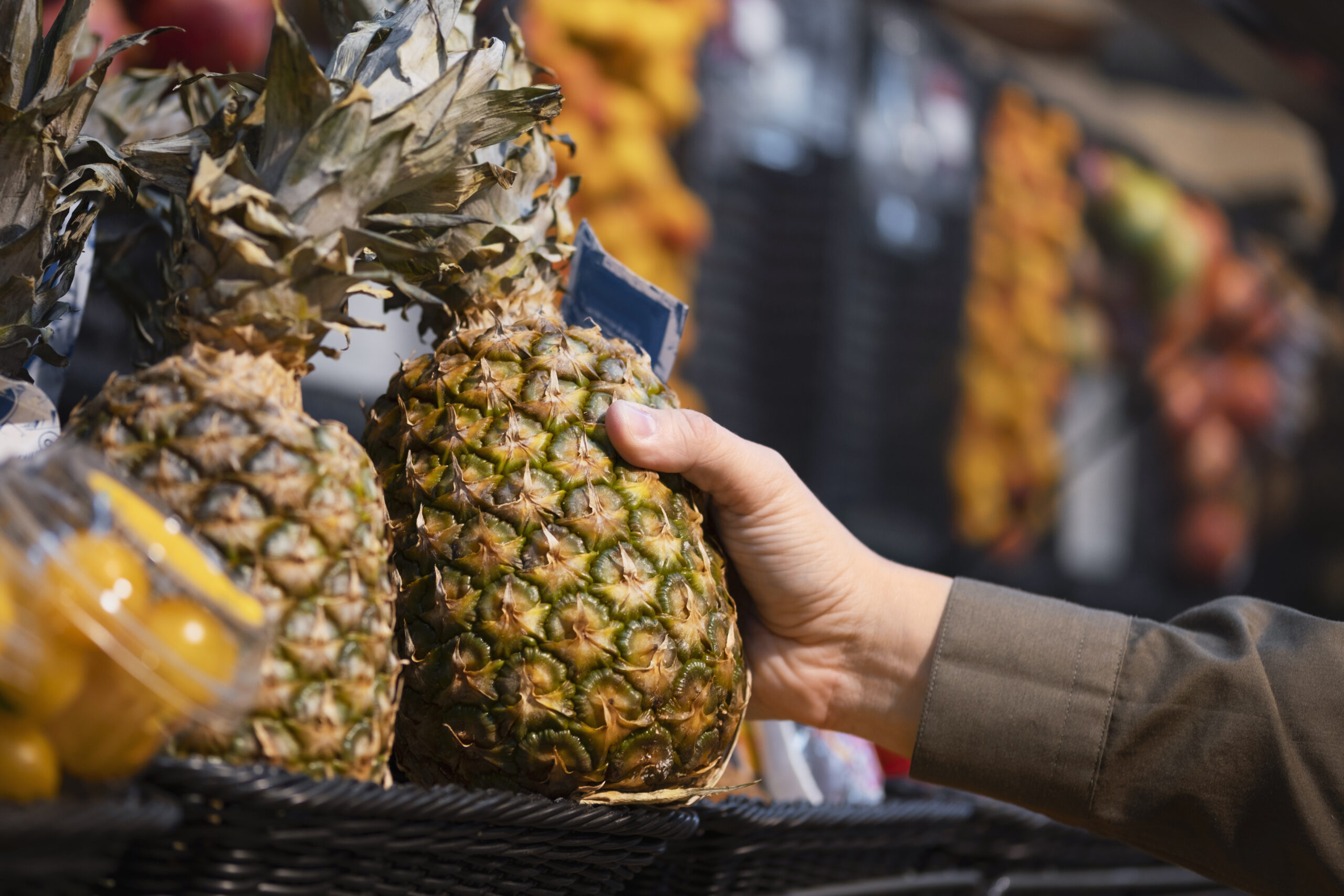
Sri Lankan pineapples have recently been granted access to the lucrative Chinese market, opening up new opportunities for the country’s agricultural sector and potentially transforming the pineapple industry. This significant milestone is the result of concerted efforts by Sri Lankan authorities and agricultural experts to meet China’s stringent import requirements, ensuring that Sri Lankan pineapples meet high standards of quality and safety. 

This new market access could have a profound impact on Sri Lanka’s economy, particularly for local pineapple farmers and exporters. China is one of the largest and fastest-growing consumer markets in the world, with a rapidly increasing demand for fresh produce. By entering this market, Sri Lanka can tap into a vast pool of potential customers, driving growth in its pineapple industry. 

The benefits are likely to extend beyond the immediate financial gains. Access to the Chinese market can encourage Sri Lankan farmers to adopt more sustainable and innovative farming practices, enhancing the quality of their produce and aligning with international standards. Furthermore, it may foster stronger trade relations between Sri Lanka and China, creating pathways for other agricultural products to gain similar access. 

Sri Lankan Pineapples Granted China Market Access 

The China General Administration of Customs released a notification on April 1st, detailing the phytosanitary conditions for bringing in fresh pineapples from Sri Lanka. China has approved the sale of pineapples, the second product from Sri Lanka to enter the market after bananas in 2015. 

The Mauritius (“Queen”) pineapple is the most popular type in Sri Lanka. This fruit, which is perfect for eating fresh due to its rich perfume and sweet taste, is renowned for its conical shape, spiky leaves, and bright yellow flesh. 

Even though there are more than 100 varieties of edible fruits in Sri Lanka, the country’s agricultural industry is underdeveloped, which leads to large post-harvest losses, low yields, and a failure to reach international quality requirements. China authorized the import of Sri Lankan bananas over ten years ago, but actual shipments are still essentially nonexistent. 

Sri Lankan Pineapples Industry

The South-South Cooperation program of the United Nations Food and Agriculture Organization began a new initiative in Sri Lanka in May 2023, with a $1.5 million budget. The project is to raise fruit quality, boost fruit value chains’ production and commercialization, and raise the industry’s market value in Sri Lanka. The initiative, which will be carried out over a period of 2.5 years in five districts of Sri Lanka, will concentrate on increasing the yield, production, and commercialization of three significant local fruit crops: pineapples, mangoes, and bananas.  

In accordance with the phytosanitary protocol, orchards planning to export fresh pineapples to China must put in place integrated pest management techniques, good agricultural practices, and a thorough quality management and traceability system overseen by Sri Lanka. To packaging, it is necessary to employ techniques like hand sorting, screening, scrubbing, or high-pressure water jet cleaning to guarantee that the fruits and crowns are free of any possible contaminants, including soil, grass seeds, plant leftovers, insects, mites, and snails.  

Sri Lankan officials must sample every shipment and inspect at least 2% of each batch for the first two years following the start of commerce. One possible option is to lower the sampling proportion to 1% if no phytosanitary issues emerge throughout the two-year timeframe. However, the entire batch might not be shipped to China if any quarantine pests of concern are found. Furthermore, for the balance of the export season, pineapple exports to China from the relevant plantations and packing facilities may be prohibited, contingent on the circumstances. Authorities in Sri Lanka must also work to determine the root causes and implement appropriate solutions, keep accurate records, and provide them to Chinese authorities upon request. 

Conclusion  

The recent approval for Sri Lankan pineapples to enter the Chinese market marks a significant step in strengthening the country’s position in international trade. This move is expected to bring substantial benefits to the Sri Lankan pineapple industry, including access to a vast customer base and increased revenue opportunities for local farmers and exporters. However, achieving success in this new market requires ongoing commitment to quality, safety, and adherence to China’s strict phytosanitary requirements. 

Sri Lankan authorities and industry stakeholders must collaborate to ensure that pineapple producers meet the necessary standards, from orchard practices to packaging and shipping protocols. The focus on integrated pest management, good agricultural practices, and traceability systems will help maintain the quality of the produce and prevent potential phytosanitary issues. Additionally, Sri Lankan officials must rigorously inspect shipments to minimize risks and ensure compliance with Chinese regulations. 

While the challenges are considerable, the potential for growth in the Sri Lankan pineapple industry is immense. Access to the Chinese market may drive innovation in farming practices, boost production, and foster further international trade partnerships. Moreover, the success of this initiative could pave the way for other Sri Lankan fruits to gain market access, contributing to the overall growth of the country’s agricultural sector. 

In summary, the approval for Sri Lankan pineapples to enter the Chinese market is a promising development that holds the potential to transform the pineapple industry and stimulate broader economic growth in Sri Lanka. Success will depend on a coordinated effort to meet China’s requirements and capitalize on this valuable opportunity. 

Continue Reading

Government Regulations & Policies

Onion Prices in Uzbekistan Hit Historic Lows 

Discover the reasons behind the historic low onion prices in Uzbekistan. Explore the factors contributing to this significant price drop in the onion market. 

Published

on

Onion Prices in Uzbekistan | https://fruitsauction.com/

Introduction  

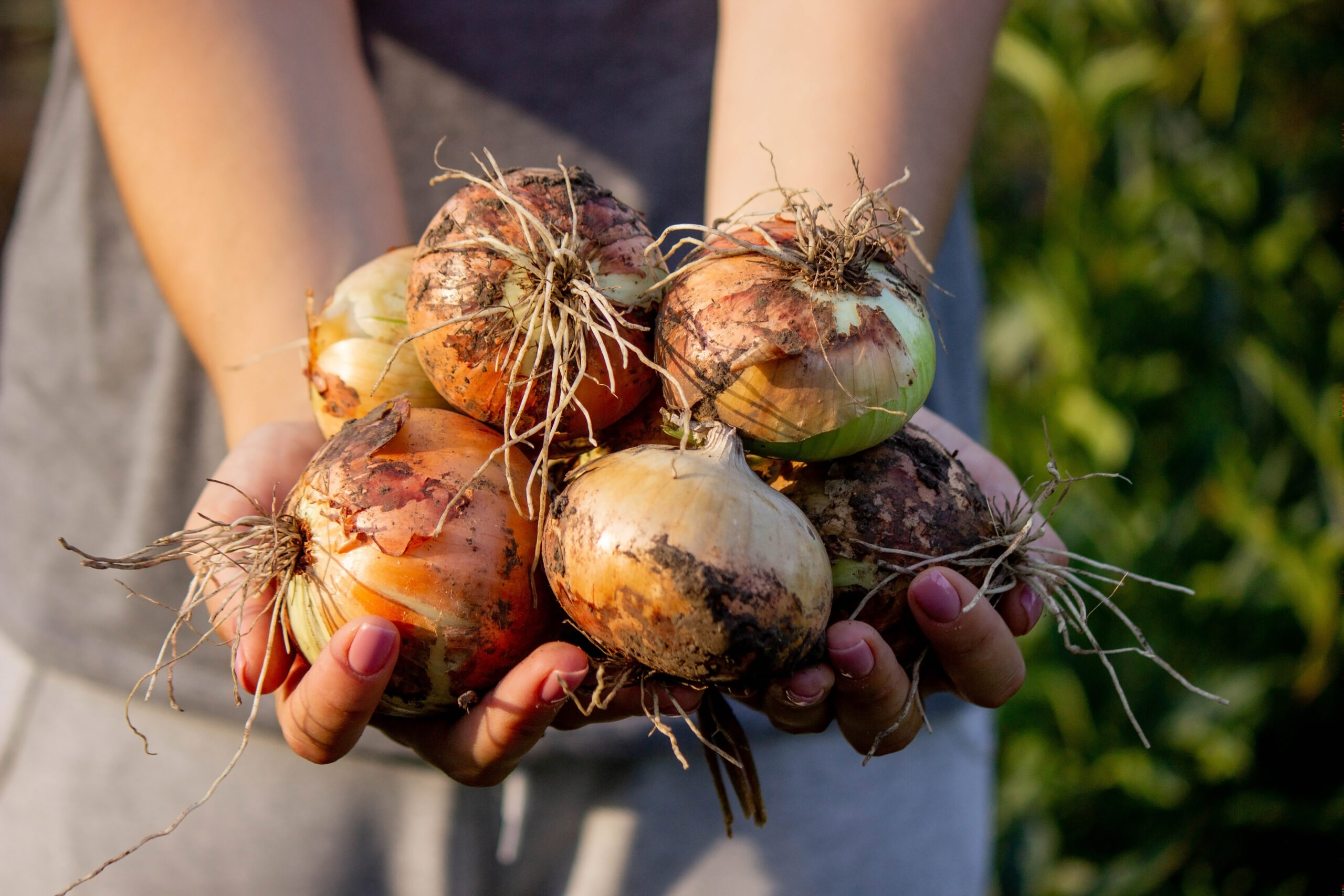
The onion market in Uzbekistan is experiencing a remarkable downturn, with prices reaching historic lows. This trend has drawn the attention of farmers, traders, and consumers, as it significantly impacts the agricultural landscape and the wider economy. The steep decline in onion prices can be attributed to several factors, including an oversupply of onions, changing market dynamics, and external influences on global trade. 

Uzbekistan’s agricultural sector has seen an increase in onion production in recent years, driven by government incentives and modernization of farming practices. As a result, the domestic market has become saturated, leading to a surplus of onions. This oversupply has naturally driven prices down, as farmers and wholesalers seek to move their produce quickly to avoid spoilage and loss. 

Another contributing factor is the shifting patterns of global trade. As countries adjust their import and export policies, Uzbekistan’s position in the onion market has been affected. International demand for onions may have diminished, leaving more produce for the domestic market, further driving down prices.  

Additionally, weather conditions and transportation disruptions can also play a role in influencing the market. By understanding these key factors, one can better appreciate the complexities and challenges facing Uzbekistan’s onion market. 

Onion Prices in Uzbekistan Hit Historic Lows  

Uzbekistan onion prices have recently plummeted to historic lows, causing concern among farmers and traders. This dramatic price drop results from a confluence of factors impacting the nation’s onion market and broader agricultural sector. 

The primary reason for this price slump is the oversupply of onions. With government incentives boosting agricultural output, many Uzbek farmers have increased their onion production, leading to a surplus. As the market becomes saturated, prices fall, impacting farmers’ livelihoods and profitability.  

Another significant factor is the changing dynamics in global trade. Export markets, which traditionally absorbed a portion of Uzbekistan’s onion production, have shifted due to import restrictions and altered demand patterns. This has left more onions in the domestic market, creating a downward pressure on prices. 

Additionally, external factors such as transportation disruptions and unpredictable weather have affected the distribution and quality of onions, contributing to the excess supply. These factors have collectively pushed Uzbekistan onion prices to unprecedented lows, raising concerns about the sustainability of current agricultural practices and the economic impact on farmers. 

By examining these elements, we can understand the challenges facing Uzbekistan’s onion industry and consider potential strategies for stabilizing prices and supporting farmers in the long term. 

Conclusion  

The recent price drop in the Uzbek onion market has sent ripples through the agricultural community, highlighting both challenges and opportunities. The oversupply of onions, changes in global trade dynamics, and external factors like weather and transportation disruptions have converged, resulting in historic lows for Uzbekistan onion prices. 

This price drop, while alarming for farmers and traders, offers a chance to reassess current agricultural practices. Addressing the surplus issue may require a shift in production strategies, such as diversifying crops, improving storage facilities to extend shelf life, or developing new export markets to balance the supply-demand equation.  

The Uzbek government and agricultural stakeholders could collaborate on initiatives that support farmers through this downturn. This might involve offering financial assistance, providing training on sustainable farming practices, or facilitating new trade partnerships to boost onion exports. Furthermore, improving transportation infrastructure could reduce disruptions, ensuring a more stable supply chain. 

While the immediate effects of the price drop are challenging, they can serve as a catalyst for positive change within the industry. By adopting innovative approaches and reinforcing the agricultural ecosystem, Uzbekistan can navigate through this period of low onion prices and build a more resilient and diversified agricultural sector for the future. 

Continue Reading

Government Regulations & Policies

Pomelo Diplomacy: Strengthening Trade Relations Through Fruit 

Learn how the popularity of pomelo, a favorite Thai fruit, has contributed to advancing trade relations between Thailand and the US. Explore the intersection of diplomacy and agriculture.

Published

on

Pomelo | https://fruitsauction.com/

Introduction  

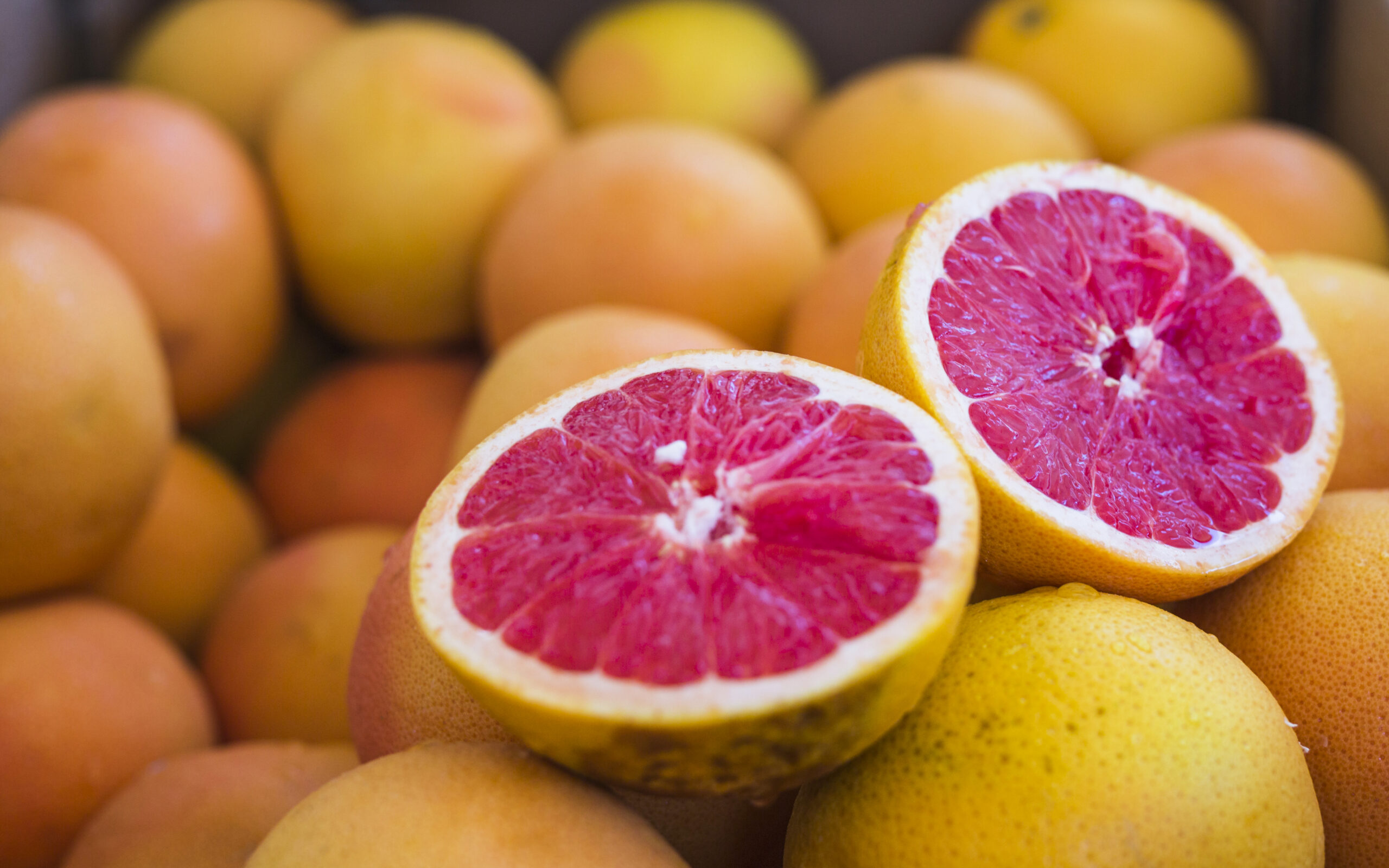
The intersection of diplomacy and agriculture often manifests in unexpected ways, one such example being the phenomenon of “Pomelo Diplomacy” between Thailand and the United States. Pomelo, a citrus fruit native to Southeast Asia, particularly Thailand, has emerged as not just a culinary delight but also a catalyst for strengthening trade relations between these two nations.  

The popularity of pomelo has soared globally, with the United States emerging as a significant importer of this Thai delicacy. This surge in demand has created a unique opportunity for both countries to engage in fruitful trade partnerships. Thailand, as a major producer of pomelo, has leveraged its agricultural prowess to enhance diplomatic ties with the US. Through the exchange of this delectable fruit, the two nations have fostered economic cooperation and cultural exchange. 

Furthermore, pomelo diplomacy underscores the significance of agricultural products as soft power tools in international relations. By showcasing the quality and diversity of its agricultural products, Thailand has effectively engaged in economic diplomacy, promoting its image as a reliable trade partner and enhancing its global influence. This symbiotic relationship between pomelo trade and diplomacy exemplifies how something as seemingly simple as a fruit can serve as a conduit for deeper international engagement and cooperation. 

Pomelo  

The pomelo, often referred to as the “Thai fruit,” has its origins deeply rooted in Southeast Asia, particularly Thailand. Believed to have originated in Malaysia, the pomelo has been cultivated in Thailand for centuries, becoming an integral part of the country’s culinary and cultural heritage.  

Thailand’s favorable climate and fertile soil provide ideal conditions for pomelo cultivation, allowing the fruit to thrive and become a staple in both local markets and international trade. Today, Thailand remains one of the world’s leading producers of pomelo, exporting its renowned fruit to markets across the globe. 

Pomelo Impact on Trade Relations  

The popularity of pomelo has significantly impacted trade relations between Thailand and the United States, serving as a symbol of the deepening diplomatic ties between the two nations.  

As demand for this Thai fruit continues to rise in the US market, bilateral trade between Thailand and the US has flourished, creating economic opportunities and fostering mutual prosperity. The exchange of pomelo has not only facilitated commercial transactions but has also strengthened diplomatic relations, as both countries recognize the value of agricultural trade in promoting mutual understanding and cooperation. 

Moreover, the increasing trade in pomelo has provided a platform for dialogue and collaboration on broader issues of mutual interest, beyond just agricultural trade. Through shared economic interests, Thailand and the US have been able to forge stronger diplomatic ties, enhancing collaboration in areas such as security, technology, and cultural exchange.  

Pomelo diplomacy, therefore, represents more than just the exchange of fruit—it symbolizes the interconnectedness of economies and the potential for agricultural products to serve as catalysts for deeper diplomatic engagement and collaboration on a global scale. 

Conclusion 

In conclusion, the concept of “Pomelo Diplomacy” highlights the profound impact that agricultural products, such as the Thai fruit pomelo, can have on international relations and trade dynamics. Through the exchange of this delectable fruit, Thailand and the United States have not only strengthened their economic ties but also deepened their diplomatic relations. The growing demand for pomelo in the US market has created a mutually beneficial trade partnership, enhanced commercial transactions and fostered mutual prosperity. 

Furthermore, pomelo diplomacy underscores the importance of soft power in modern diplomacy, as agricultural products serve as potent symbols of a country’s cultural heritage and economic vitality. By leveraging the popularity of pomelo, Thailand has effectively showcased its agricultural prowess and positioned itself as a reliable trade partner and cultural ambassador on the global stage. 

Looking ahead, the success of pomelo diplomacy sets a promising precedent for future agricultural trade initiatives and diplomatic engagements between nations. As countries continue to seek innovative ways to strengthen their diplomatic ties and promote economic cooperation, the role of agricultural products as conduits for international engagement will undoubtedly become increasingly significant. Thus, pomelo diplomacy not only exemplifies the intersection of diplomacy and agriculture but also serves as a compelling testament to the power of food to unite nations and advance mutual interests on the world stage. 

Continue Reading

Trending

Copyright © 2023 Fruits Auction. Developed by Digital Help Ltd