Connect with us

Market Trends & Demand

New Year’s Eve Dinner: Family-Friendly Recipes for Memorable  

Published

on

New Year's Eve Dinner| https://fruitsauction.com/

Introduction  

As the clock ticks down to the final moments of the year, there’s no better way to usher in the new beginning than with a delightful New Year’s Eve dinner shared with family. This special occasion calls for a spread that not only satisfies the taste buds but also creates lasting memories around the dining table. Crafting a family-friendly menu ensures that everyone, from the youngest to the oldest, can partake in the celebration. 

The essence of a memorable New Year’s Eve dinner lies not only in the flavors that grace the table but, in the warmth, and togetherness that envelop the gathering. Whether you’re hosting an intimate family affair or a lively get-together with friends, the recipes featured in this collection are carefully curated to cater to a variety of palates while keeping the atmosphere festive and inclusive. 

From delectable appetizers that kick off the evening with a burst of flavor to main courses that steal the spotlight. And finally, decadent desserts that sweeten the transition into the new year. These recipes are designed to make your New Year’s Eve dinner an unforgettable culinary experience. So, gather your loved ones, set the table aglow. And embark on a gastronomic journey that welcomes the promise of the coming year with open arms. 

New Year’s Eve  

New Year’s Eve, the grand finale of the calendar year. It is a globally celebrated occasion marked by joy, reflection, and anticipation. Falling on the eve of January 1st, it serves as a symbolic bridge between the old and the new. Also inviting people worldwide to bid farewell to the past and embrace the promise of the future. 

As the final hours of the year unfold, cities come alive with vibrant festivities, dazzling fireworks, and the spirited cheers of revelers. It’s a time for reflection, where individuals look back on the milestones, challenges, and growth of the past twelve months, contemplating the lessons learned and the memories made. 

Traditionally, New Year’s Eve is a time for gatherings and celebrations with family and friends. Festive parties, glittering decorations, and the iconic countdown to midnight are hallmarks of the occasion. The stroke of midnight is met with jubilation. As people join hands in the collective ritual of ushering in the new year with hope and optimism. 

Whether celebrated with intimate dinners, grand galas, or quiet moments of contemplation. New Year’s Eve is a universal observance that transcends cultural boundaries. It symbolizes the perpetual cycle of renewal, providing an opportunity for individuals worldwide to embrace fresh beginnings, set new goals. And also embark on a journey into the unknown possibilities of the coming year. 

New Year’s Eve Recipes  

  • Charcuterie Board: Arrange a variety of cheeses, cured meats, crackers, fruits, and nuts for a visually appealing and delicious appetizer. 
  • Baked Brie with Jam and Nuts: Wrap a wheel of Brie in puff pastry, bake until golden, and top with your favorite jam and chopped nuts. 
  • Shrimp Cocktail: Serve chilled shrimp with a tangy cocktail sauce for a classic and elegant appetizer. 
  • Smoked Salmon Canapés: Top small pieces of toast or crackers with cream cheese, smoked salmon, and fresh dill. 
  • Lobster Mac and Cheese: Upgrade to a classic mac and cheese recipe by adding chunks of lobster for a luxurious twist. 
  • Beef Wellington: A show-stopping dish featuring beef tenderloin wrapped in puff pastry with a layer of savory mushroom duxelles. 
  • Grilled Lamb Chops: Marinate lamb chops in herbs and garlic, then grill to perfection for a flavorful and impressive main course. 
  • Vegetarian Stuffed Peppers: Fill bell peppers with a mix of quinoa, black beans, corn, and spices for a tasty and colorful vegetarian option. 
  • Truffle Mashed Potatoes: Elevate traditional mashed potatoes by adding truffle oil or truffle butter for a rich and indulgent side dish. 
  • Champagne Cocktails: Create festive cocktails using champagne or sparkling wine. Consider variations like the classic Champagne cocktail or a fruity mimosa. 
  • Decadent Chocolate Fondue: Melted chocolate served with an assortment of dippable such as strawberries, marshmallows, and pretzels. 
  • Mini Dessert Shooters: Offer a variety of small dessert shooters, such as tiramisu, cheesecake, or chocolate mousse, for a sweet ending to the meal. 

New Year’s Eve Family-Friendly Dinner 

Celebrate the magic of New Year’s Eve with a family-friendly dinner that caters to all ages and tastes. Craft a menu that combines festive flavors with comfort, ensuring a memorable evening for the whole family. Kick off the festivities with appetizers like cheesy stuffed mushrooms or bite-sized slides that are sure to whet everyone’s appetite. 

For the main course, consider a crowd-pleaser like roasted chicken or pasta dishes with rich, flavorful sauces. Add a touch of elegance with a colorful salad or a medley of roasted vegetables, creating a well-rounded and wholesome meal. 

Keep the little ones excited with creative and fun side dishes, such as sweet potato fries or vegetable skewers. And of course, no family-friendly New Year’s Eve dinner is complete without a selection of delightful desserts. Think about festive cupcakes, fruit tarts, or a build-your-own sundae bar that adds an element of interactive joy to the celebration. 

As you gather around the table, make it a time for sharing laughter. Reflecting on the year gone by, and expressing hopes for the one to come. This New Year’s Eve, let the dinner table be the heart of your family home celebration. By creating cherished moments and setting the tone for a joyous and harmonious start to the upcoming year. 

Conclusion  

In the tapestry of traditions that adorn New Year’s Eve. A family-friendly dinner stands out as a heartwarming and essential thread. As the curtains fall on the year behind and the dawn of a new one beckons. Sharing a meal with loved ones becomes a cherished ritual. The carefully curated menu, blending flavors that resonate with all generations, transforms the dinner table into a haven of joy and togetherness. Amidst laughter, shared stories, and the clinking of glasses, this celebration becomes a poignant reminder of the bonds that endure.

As we savor the last bites of the family-friendly feast. We carry with us the warmth of these moments, eager to step into the new year with gratitude, hope, and the shared promise of many more memorable dinners to come. Cheers to family, love, and the timeless tradition of welcoming the future around a table filled with good food and even better company. 

Continue Reading
Click to comment

Leave a Reply

Your email address will not be published. Required fields are marked *

Agriculture, Transportation & Logistics

Exploring the Sweetness of Community-Supported Agriculture (CSA) for Fruits

Published

on

In recent years, a noticeable shift has occurred in how people approach their food consumption. As society becomes increasingly mindful of the environmental repercussions of conventional farming practices and seeks out more wholesome, locally-produced food options, Community-Supported Agriculture (CSA) has become a sought-after solution. While CSAs have traditionally been associated with vegetables, a lesser-known but equally rewarding counterpart is CSA for fruits. Let’s delve into Fruit CSAs, understanding how they work, their mutual benefits, and how you can join in.

How Does Fruit CSA Work?

At its core, a Fruit CSA operates much like its vegetable-centric counterpart. Local farms offer shares or subscriptions to their harvest, giving members a regular supply of fresh fruits throughout the growing season. Members typically pay upfront or in installments, which helps farmers cover production costs. In return, members receive a diverse assortment of seasonal fruits, often including varieties that might not be commonly found in supermarkets.

Benefits for Farmers and Consumers

For Farmers:

1. Stable Income: CSA memberships provide farmers with a predictable income stream, helping them mitigate the financial risks of farming.

2. Direct Marketing: Farmers can bypass intermediaries like wholesalers and retailers by selling directly to consumers and retaining a more significant portion of the profits.

3. Community Engagement: CSAs foster stronger connections between farmers and their local communities, allowing for meaningful interactions and shared values.

For Consumers:

1. Freshness and Quality: CSA members enjoy fruits at the peak of freshness, often harvested just hours before delivery, resulting in superior taste and nutritional value.

2. Seasonal Variety: CSAs introduce consumers to diverse fruits, promoting a deeper appreciation for seasonal eating and local agriculture.

3. Supporting Local Economy: By participating in a Fruit CSA, consumers actively support local farmers and contribute to the sustainability of their regional food system.

How to Participate

1. Research Local Farms: Research farms in your area that offer Fruit CSA programs. Local farmer’s markets, agricultural websites, and community bulletin boards are excellent places to begin your search.

2. Evaluate Options: Compare the offerings of different farms, considering factors such as cost, pickup locations, delivery options, and the variety of fruits included in each share.

3. Sign Up: Once you’ve chosen a CSA that aligns with your preferences, sign up for a membership or share according to the farm’s enrollment process. Be sure to inquire about payment schedules and any additional requirements.

4. Enjoy the Fruits of Your Membership: Sit back and anticipate receiving your first fruit share. As the season progresses, savor the delicious bounty of locally-grown fruits, knowing you’re supporting your community and nurturing a sustainable food system.

In conclusion, community-supported agriculture for fruits offers a mutually beneficial arrangement for farmers and consumers. Participating in a Fruit CSA allows individuals to enjoy abundant fresh, seasonal fruits while forging meaningful connections with local farmers and their communities. It’s a delicious way to support sustainable agriculture and reap the rewards of nature’s bounty.

Continue Reading

Market Trends & Demand

Monk Fruit: Health Benefits and Culinary Uses 

Discover the health advantages and versatile culinary uses of monk fruit. Learn how this natural sweetener can enhance your diet and recipes. 

Published

on

monk fruit | https://fruitsauction.com/

Introduction  

Monk fruit, also known as Luo Han Guo or Siraitia grosvenorii, has garnered significant attention in recent years for its health benefits and culinary versatility. Native to southern China and northern Thailand, this small, green gourd-like fruit has been used for centuries in traditional Chinese medicine for its therapeutic properties. However, it is only in recent times that monk fruit has gained widespread popularity as a natural sweetener and culinary ingredient. 

One of the most remarkable aspects of monk fruit is its intense sweetness, attributed to compounds called mogrosides found in the fruits. Despite its sweetness, monk fruits extract contains zero calories and has a negligible effect on blood sugar levels, making it an appealing option for those seeking alternatives to sugar and artificial sweeteners. 

Beyond its role as a sweetener, monk fruit offers a range of health benefits. Rich in antioxidants and anti-inflammatory compounds, monk fruits has been associated with various health-promoting effects, including improved immune function, reduced risk of chronic diseases, and enhanced overall well-being. 

In addition to its health advantages, monk fruit’s mild and fruity flavor profile makes it a versatile ingredient in the kitchen. From beverages and desserts to sauces and dressings, monk fruits can be incorporated into a wide array of recipes to add sweetness without the calories or glycemic impact of traditional sweeteners.  

In this article, we will explore in depth the health benefits and culinary uses of monk fruit, providing insights into how this natural sweetener can enhance both your diet and your culinary creations. 

Origin of Monk Fruit  

Monk fruit, scientifically known as Siraitia grosvenorii, is indigenous to the mountainous regions of southern China and northern Thailand. Historically, it has been cultivated for centuries by monks in these regions, hence its name. The fruit’s cultivation and use date back to the 13th century, primarily for its medicinal properties in traditional Chinese medicine. 

Monk fruit grows on perennial vines and is harvested during the late summer and early autumn months. The fruit is small, round, and greenish brown in color, resembling a melon or gourd. Inside, the fruit contains edible pulp and seeds, while the sweetness comes from the natural compounds known as mogrosides found in the fruit’s flesh. 

Initially used as a remedy for various ailments in traditional medicine, monk fruits has gained popularity in modern times as a natural sweetener and alternative to sugar due to its intense sweetness and negligible calorie content. 

Health Benefits of Monk Fruit  

  • Zero Calories: Monk fruit extract is virtually calorie-free, making it an ideal option for those looking to reduce calorie intake and manage weight effectively. 
  • Blood Sugar Regulation: Unlike sugar, monk fruit sweeteners do not cause spikes in blood sugar levels, making them suitable for individuals with diabetes or those watching their glycemic index. 
  • Antioxidant Properties: Monk fruit is rich in antioxidants, such as mogrosides, which help combat oxidative stress and reduce the risk of chronic diseases, including heart disease and cancer. 
  • Anti-Inflammatory Effects: The antioxidants present in monk fruit possess anti-inflammatory properties, aiding in reducing inflammation throughout the body and supporting overall health. 
  • Immune System Support: The immune-boosting properties of monk fruit can enhance the body’s natural defenses, helping to ward off infections and illnesses. 
  • Dental Health: Unlike sugar, which contributes to tooth decay, monk fruit does not promote dental cavities, making it a tooth-friendly sweetening option. 
  • Improved Digestive Health: Monk fruist may aid in digestion by promoting a healthy gut microbiome and alleviating digestive discomfort. 
  • Enhanced Hydration: Monk fruits can be used to flavor water and other beverages, encouraging increased fluid intake and hydration, essential for overall health and well-being. 
  • Diet Enhancement: Incorporating monk fruit into the diet can enhance the flavor and sweetness of foods and beverages without adding extra calories, thus supporting dietary goals and preferences. 

Culinary Uses of Monk Fruit  

Monk fruit’s versatility extends beyond its health benefits, making it a valuable ingredient in various culinary applications. Here are some ways to incorporate it as a natural sweetener: 

  1. Beverages: Monk fruit extract can be added to teas, coffees, smoothies, and homemade juices to enhance sweetness without the need for sugar or artificial sweeteners. 
  1. Baking: Monk fruits sweeteners, available in granulated and powdered forms, can be used as a 1:1 replacement for sugar in baking recipes, including cakes, cookies, muffins, and bread, imparting a natural sweetness without the calories or glycemic impact. 
  1. Sauces and Dressings: Monk fruits can be used to sweeten sauces, salad dressings, and marinades, balancing flavors and reducing the need for added sugars or high-calorie sweeteners. 
  1. Desserts: Monk fruit can be used to sweeten desserts such as puddings, custards, and salads, adding sweetness while keeping calorie counts in check. 

Incorporating monk fruits as a natural sweetener in these culinary applications can enhance the flavor and sweetness of dishes without compromising on health or taste. 

Conclusion 

In conclusion, monk fruit stands out as a remarkable natural sweetener with numerous health benefits and versatile culinary uses. Originating from the mountainous regions of southern China and northern Thailand, they has a rich history dating back centuries, initially revered for its medicinal properties in traditional Chinese medicine. Today, it has gained widespread popularity as a healthier alternative to sugar, offering sweetness without the calories or adverse effects on blood sugar levels. 

The health benefits of it, including its antioxidant properties, anti-inflammatory effects, and potential immune system support, make it a valuable addition to any diet. Moreover, its ability to regulate blood sugar levels and promote dental health further enhances its appeal as a natural sweetening option. 

Culinarily, monk fruits adds a delightful sweetness to a variety of dishes and beverages, from baked goods and desserts to sauces and beverages. Its versatility in the kitchen makes it a preferred choice for individuals seeking to enhance the flavor of their favorite foods without compromising on health or taste. 

As consumers increasingly prioritize health-conscious choices in their diets, monk fruits emerges as a promising ingredient that bridges the gap between indulgence and wellness. By incorporating monk fruit into their culinary repertoire, individuals can enjoy the sweetness they crave while supporting their overall health and well-being. 

Continue Reading

Market Trends & Demand

French Potatoes Selling for 50K per Kg: The Incredible Journey 

Discover how French potatoes are fetching prices up to 50K per kg. Uncover the reasons behind this agricultural phenomenon and its impact on the French farming industry. 

Published

on

French potatoes | https://fruitsauction.com/

Introduction  

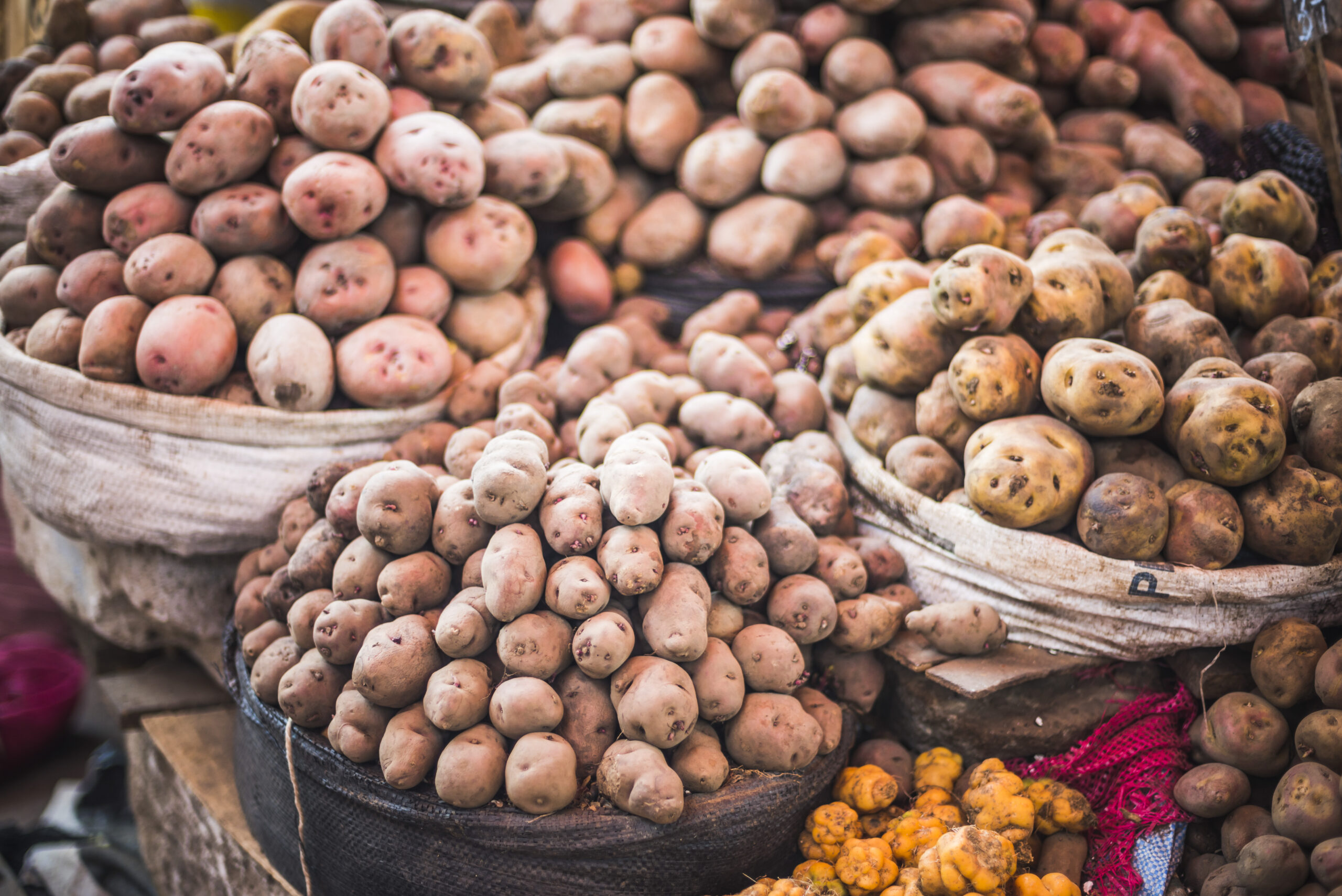
Welcome to an exciting journey into the world of French potatoes! You might think of potatoes as a humble staple, a side dish for meat or a base for a hearty soup. But in France, this common vegetable is undergoing a remarkable transformation. Some French farmers are selling potatoes for up to 50,000 euros per kilogram! That’s more than gold! What’s behind this extraordinary phenomenon? How are French potatoes becoming so valuable? 

In this article, we’ll dive into the reasons behind the skyrocketing price of French potatoes. You’ll discover the unique farming techniques, the rare potato varieties, and the gourmet markets that are driving this boom. We’ll explore how these high-end potatoes are influencing the French farming industry and what it means for the future of agriculture in the region. 

Fruits Auction BV also looks at the history of French potatoes, the traditions that have shaped their cultivation, and the chefs who prize these premium potatoes for their top-tier dishes. Whether you’re a food lover, a farming enthusiast, or just curious about this amazing story, you’ll find plenty to enjoy. 

So, if you’re ready to learn about a vegetable that’s turning heads and creating a stir in the culinary world, let’s get started! Keep reading to find out what makes French potatoes so special and why they’re worth their weight in gold. 

French Potatoes   

French potatoes have a rich history that stretches back centuries, with roots in both traditional and modern agricultural practices. The journey of this high-value crop began in the late 18th century when Antoine-Augustin Parmentier, a French pharmacist and agronomist, championed the potato’s acceptance in France. At the time, potatoes were often considered unfit for human consumption, primarily used as animal feed. Parmentier’s efforts changed that perspective, leading to a growing interest in cultivating potatoes for human consumption. 

Fast-forward to today, and the story of French potatoes is one of innovation and craftsmanship. French farmers have embraced unique cultivation techniques to produce exceptional potatoes that command premium prices. Whether it’s the fertile soil of regions like Normandy or the meticulous care in growing rare potato varieties, French potatoes have gained a reputation for quality and taste. These high-end potatoes are often sought after by gourmet chefs and culinary enthusiasts around the world. 

The combination of traditional knowledge and modern agricultural advancements has made French potatoes a valuable commodity in the food industry. As this high-value crop continues to gain recognition, its story serves as an inspiring example of how innovation and dedication can transform a humble vegetable into a prized product. 

French Potatoes Farming and Agricultural Success  

French potato farming is a success story driven by tradition, innovation, and a commitment to quality. The French agricultural landscape, known for its fertile soils and diverse climates, provides the perfect environment for growing exceptional potatoes. This agricultural success story begins with farmers who have honed their craft over generations, combining time-tested techniques with modern technology. 

One key factor in the success of French potato farming is the careful selection of potato varieties. French farmers grow a wide range of potatoes, from common table varieties to rare and unique types prized by gourmet chefs. This variety allows French potato farmers to cater to different markets, from everyday consumers to high-end restaurants. 

Another aspect contributing to the success of French potato farming is the focus on sustainable practices. Many French farmers use organic methods, crop rotation, and natural fertilizers to ensure the health of the soil and the quality of their potatoes. This commitment to sustainability benefits the environment and contributes to the premium quality of the produce. 

Thanks to these efforts, French potatoes have gained a reputation for excellence. The success of potato farming in France is a testament to the farmers’ dedication and their ability to adapt to changing market demands while maintaining a strong connection to their agricultural heritage. 

Conclusion 

In conclusion, the story of French potatoes demonstrates how a humble crop can transform into a high-value commodity through innovation, tradition, and a commitment to excellence. French farmers have mastered the art of potato cultivation, blending time-honored practices with modern techniques to produce potatoes that are not only delicious but also in high demand across the globe. 

The remarkable journey of French potatoes—from a basic food source to a gourmet ingredient fetching prices as high as 50,000 euros per kilogram—highlights the potential within the agricultural industry to create niche markets. This transformation has opened doors for French farmers, allowing them to thrive in a competitive environment and establish a unique identity in the world of high-end produce. 

Moreover, the focus on sustainable practices ensures that French potato farming remains environmentally responsible, demonstrating that quality and sustainability can coexist. By adopting organic methods, crop rotation, and other eco-friendly techniques, French farmers contribute to a healthier planet while delivering exceptional potatoes. 

As French potatoes continue to gain recognition, their success story inspires farmers and entrepreneurs to think creatively about agriculture. It shows that with dedication, innovation, and a passion for quality, even the most basic crops can lead to remarkable success. This journey also invites us to appreciate the craftsmanship and care that go into bringing high-quality food to our tables. 

Continue Reading

Trending

Copyright © 2023 Fruits Auction. Developed by Digital Help Ltd