Introduction
The importance for cities to prioritize and actively pursue the cultivation of at least 30% of their local produce is in various visions. Mostly for sustainable urban development, public health, environmental conservation, and economic resilience. As urbanization continues to accelerate, more people are drawn to cities. Usually in search of opportunities and a higher quality of life. However, this trend has led to a growing disconnection between urban populations and the sources of their food. As a result, cities rely heavily on external sources for their food supply, often from distant rural areas and even international markets.
This dependence on long supply chains is not only environmentally unsustainable due to the carbon emissions link with transportation. But also leaves urban centers vulnerable to disruptions, such as natural disasters, trade disruptions, and supply chain bottlenecks. The industrialized nature of conventional agriculture often ruins the nutritional quality and taste for the sake of yield and profit. Therefore, cities should make a concerted effort to increase their capacity for local produce to address these connected challenges.
Cultivating 30% of local produce within cities holds the promise of a more resilient and self-reliant urban food system. It reduces the carbon footprint associated with food transportation, minimizes supply chain vulnerabilities, improves access to fresh and nutritious produce, fosters a sense of community, and enhances the economic well-being of local farmers and businesses.
This article will explore the reasons why cities should pursue this goal, with a focus on the benefits it can bring to urban sustainability, health and much more.
Local Produce
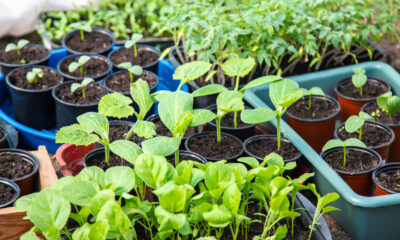
Urban agriculture, encompassing the cultivation of local produce within city limits, stands as a pivotal component of sustainable urban development. As cities continue to expand and becomes urbanized, the importance of growing food within city boundaries cannot be overstated. Urban agriculture is a dynamic response to the challenges. Such as ensuring food security, reducing environmental impact, and enhancing the overall quality of urban life.
By integrating farms, community gardens, and rooftop greenhouses into the urban fabric, cities can significantly reduce their dependence on long-distance food supply chains. This not only lessens the carbon emissions associated with transportation but also mitigates the risks of supply disruptions. Urban agriculture also fosters a stronger connection between city-dwellers and the food they consume, promoting food education and a healthier diet.
Moreover, urban agriculture offers economic opportunities by supporting local farmers and businesses, creating jobs, and boosting community resilience. In sum, urban agriculture is a key strategy for cities striving to cultivate at least 30% of their local produce, contributing to a more sustainable, healthy, and prosperous urban future.
Local Produce and Sustainable Farming
The concept of local produce and sustainable farming is connected in the broader of environmentally conscious agricultural practices. Sustainable farming represents a holistic approach to food production. It aims to balance the needs of the present while safeguarding the ability of future generations.
Local produce plays a pivotal role in this sustainability narrative by reducing the carbon footprint associated with food transportation, minimizing energy and resource use, and supporting local communities. By cultivating and consuming produce within a localized radius, cities and regions can lower greenhouse gas emissions, conserve resources, and promote regional self-reliance.
Sustainable farming, on the other hand, encompasses a wide array of practices such as organic farming, crop rotation, reduced pesticide use, and responsible water management, among others. These practices are geared towards maintaining soil health, preserving biodiversity, and minimizing negative impacts on the environment.
When local produce and sustainable farming principles converge, they create a powerful synergy that promotes ecological balance, healthy living, and the long-term resilience of local food systems. This not only ensures access to fresh, nutritious produce but also supports rural and urban communities in achieving a harmonious coexistence with the natural world.
Benefits of Local Produce
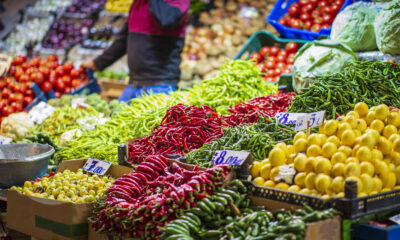
Local produce offers a multitude of benefits that extend beyond merely providing fresh, seasonal ingredients. These advantages encompass various aspects of sustainability, economy, health, and community well-being.
- Freshness and Nutritional Value: Local produce is typically harvested at its peak ripeness, resulting in superior taste and nutritional value. Fruits and vegetables that don’t have to endure long transportation retain their vitamins, minerals, and flavor.
- Reduced Environmental Impact: Local produce reduces the carbon footprint associated with food transportation, as it travels shorter distances. This helps lower greenhouse gas emissions, mitigate air pollution, and conserves energy.
- Support for Local Economies: Purchasing local produce keeps money circulating within the community. It supports local farmers and businesses, creating jobs and contributing to economic resilience.
- Food Security: Relying on local sources of food makes communities less vulnerable to disruptions in global supply chains, such as natural disasters or economic fluctuations. It enhances food security by promoting self-sufficiency.
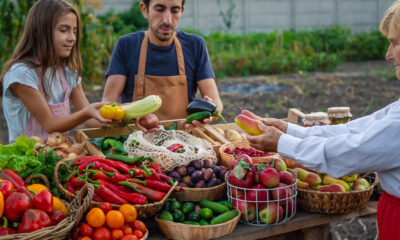
- Community Building: Local markets, farms, and community-supported agriculture programs foster a sense of community. They provide opportunities for people to connect with each other and the sources of their food, fostering social cohesion.
- Biodiversity Preservation: Smaller-scale local farms often cultivate a wider variety of crops, which can help preserve crop diversity and maintain heirloom or indigenous varieties that may be disappearing from large-scale agriculture.
- Sustainable Agriculture Practices: Many local farmers adopt sustainable farming practices, such as organic farming and responsible water management, which reduce the environmental impact of agriculture.
- Taste and Culinary Experience: Local produce often offers a richer, more diverse selection of flavors and ingredients, enhancing culinary experiences and encouraging people to explore seasonal, local recipes.
In summary, local produce not only enriches the dining experience but also promotes environmental stewardship, economic vitality, and community cohesion. It is a cornerstone of sustainable living and a choice that positively impacts individuals, communities, and the planet.
Conclusion
In conclusion, the cultivation of local produce is a powerful strategy for creating more sustainable, resilient, and vibrant communities. The numerous benefits, from fresher and more nutritious food to reduced environmental impact and strengthened local economies, underscore its importance. Choosing local produce is a step towards a healthier and more sustainable future and reducing dependence on global supply chains. Moreover, it fosters a deeper connection between people and the sources of their food, enhancing community bonds. By supporting local farmers and embracing the richness of regional harvests, individuals and communities can make a significant contribution to a more sustainable and prosperous world.