Introduction
The relationship between a child’s diet and their mental health is a subject of increasing significance in the realm of pediatric health and well-being. It is widely acknowledged that nutrition plays a pivotal role in physical development, but its influence on mental and emotional development is equally crucial. In this era of fast food and convenience meals, it is essential to examine the role that fruits and vegetables play in shaping children’s mental health.
The dietary choices made during childhood have far-reaching consequences, impacting not only physical growth but also cognitive and emotional development. While it’s understood that a balanced diet contributes to overall health, the specific connection between fruits and vegetables and children’s mental health is a topic of growing interest among researchers, parents, and healthcare professionals. These nutrient-rich, natural foods offer a plethora of vitamins, minerals, antioxidants, and phytochemicals that can enhance brain function, protect against mood disorders, and foster emotional stability in children.
This discussion delves into the fruits and vegetables that have been linked to positive outcomes in children’s mental health. From the antioxidant-rich berries that shield brain cells from oxidative stress to the leafy greens abundant in mood-regulating folate, the world of nutrition offers an array of tools for promoting children’s well-being. By exploring the benefits of these dietary choices, we can better understand the profound impact of fruits and vegetables on children’s mental health and the importance of making healthy eating habits an integral part of childhood development.
Fruits and Vegetables Linked with Childrens Mental Health
Numerous studies have explored the link between children’s mental health and their diet habits, emphasizing the importance of fruits and vegetables. Here are some key examples:
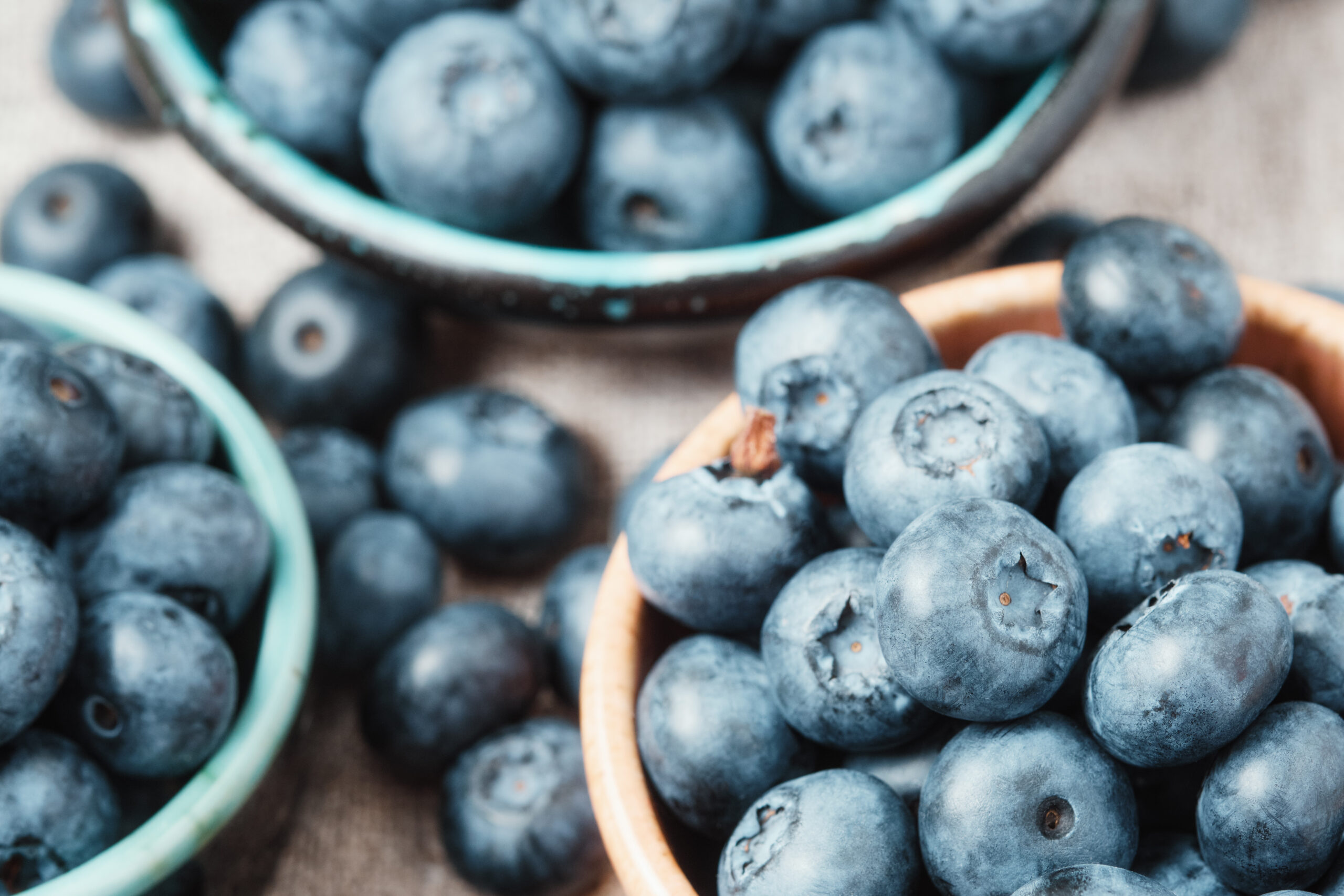
- Berries: Berries, including blueberries, strawberries, and blackberries, are rich in antioxidants, particularly flavonoids. These compounds can help protect brain cells from oxidative stress, potentially improving cognitive function and memory in children. Antioxidants also play a role in reducing inflammation, which can impact mood and mental well-being.
- Leafy Greens: Leafy greens like spinach, kale, and Swiss chard are excellent sources of folate. Folate is a B-vitamin essential for the production of neurotransmitters like serotonin and dopamine, which regulate mood and emotional stability. A deficiency in folate can lead to mood disturbances and cognitive issues.
- Avocado: Avocado is not only delicious but also packed with healthy fats and nutrients. The monounsaturated fats in avocados support healthy blood flow, which is crucial for brain health. Additionally, avocados contain folate, vitamin K, and potassium, all of which contribute to cognitive function and overall mental well-being.
- Sweet Potatoes: Sweet potatoes are rich in complex carbohydrates, fiber, and various vitamins and minerals, such as vitamin A and potassium. These nutrients help stabilize blood sugar levels and provide sustained energy, which can positively impact mood and concentration in children.
- Oranges: Oranges and other citrus fruits are loaded with vitamin C, an antioxidant that supports the brain’s neuroprotective mechanisms. Vitamin C also assists in the production of norepinephrine, a neurotransmitter that plays a role in mood regulation and attention.
Incorporating a variety of these fruits and vegetables into a child’s diet can promote mental health by providing essential nutrients. This will help in reducing inflammation and supporting the production of mood-regulating neurotransmitters. It’s crucial to maintain a balanced diet alongside other healthy lifestyle practices to foster optimal mental well-being in children.
Fruits and Vegetables Diet and Childrens Well-being
Diet is a fundamental pillar of children’s well-being. The foods and beverages children consume play a crucial role in their growth, development, and overall health. A balanced diet provides the essential nutrients, vitamins, and minerals needed for physical and cognitive growth, immune system function, and emotional stability.
The impact of diet on children’s well-being is multifaceted. Nutrient-rich foods, including fruits, vegetables, whole grains, lean proteins, and dairy products, support healthy growth and development, ensuring that children meet their developmental milestones. Proper nutrition also helps in maintaining a healthy weight and reducing the risk of childhood obesity, which is linked to various health issues.
Additionally, diet affects children’s cognitive function and emotional health. Certain nutrients, such as omega-3 fatty acids found in fatty fish, can support brain development and cognitive performance. Adequate nutrition can also influence mood and behavior. As imbalances in key nutrients may contribute to mood swings and even conditions like depression or anxiety.
In summary, a well-balanced diet is essential for promoting children’s physical, cognitive, and emotional well-being. Parents, caregivers, and educators should emphasize the importance of healthy eating habits to ensure that children grow and thrive while maintaining optimal mental and emotional health.
Conclusion
In conclusion, the link between diet and children’s well-being is undeniable and paramount. The foods children consume have a profound and lasting impact on their physical growth, cognitive development, and emotional stability. A balanced diet, rich in a variety of nutrients from fruits and vegetables provides the building blocks necessary for healthy growth, strong immune systems, and proper weight.
Moreover, the significance of nutrition in children’s cognitive development cannot be overstated. Essential nutrients like omega-3 fatty acids, vitamins, and minerals support brain function, aiding in learning, memory, and problem-solving abilities. Equally important is the influence of diet on children’s emotional health; certain nutrients can influence mood and behavior, with deficiencies potentially contributing to mood disorders and mental health challenges.
As caregivers, parents, and educators, it is our collective responsibility to prioritize the well-being of children. We can do this by promoting healthy eating habits. By doing so, we can empower the next generation to reach their full potential, physically and mentally. Leading them on a path to lead happy, fulfilling lives.