Introduction
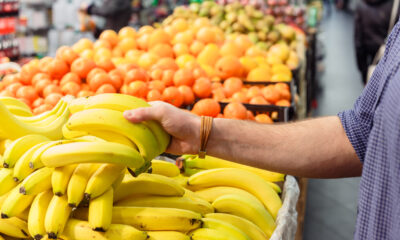
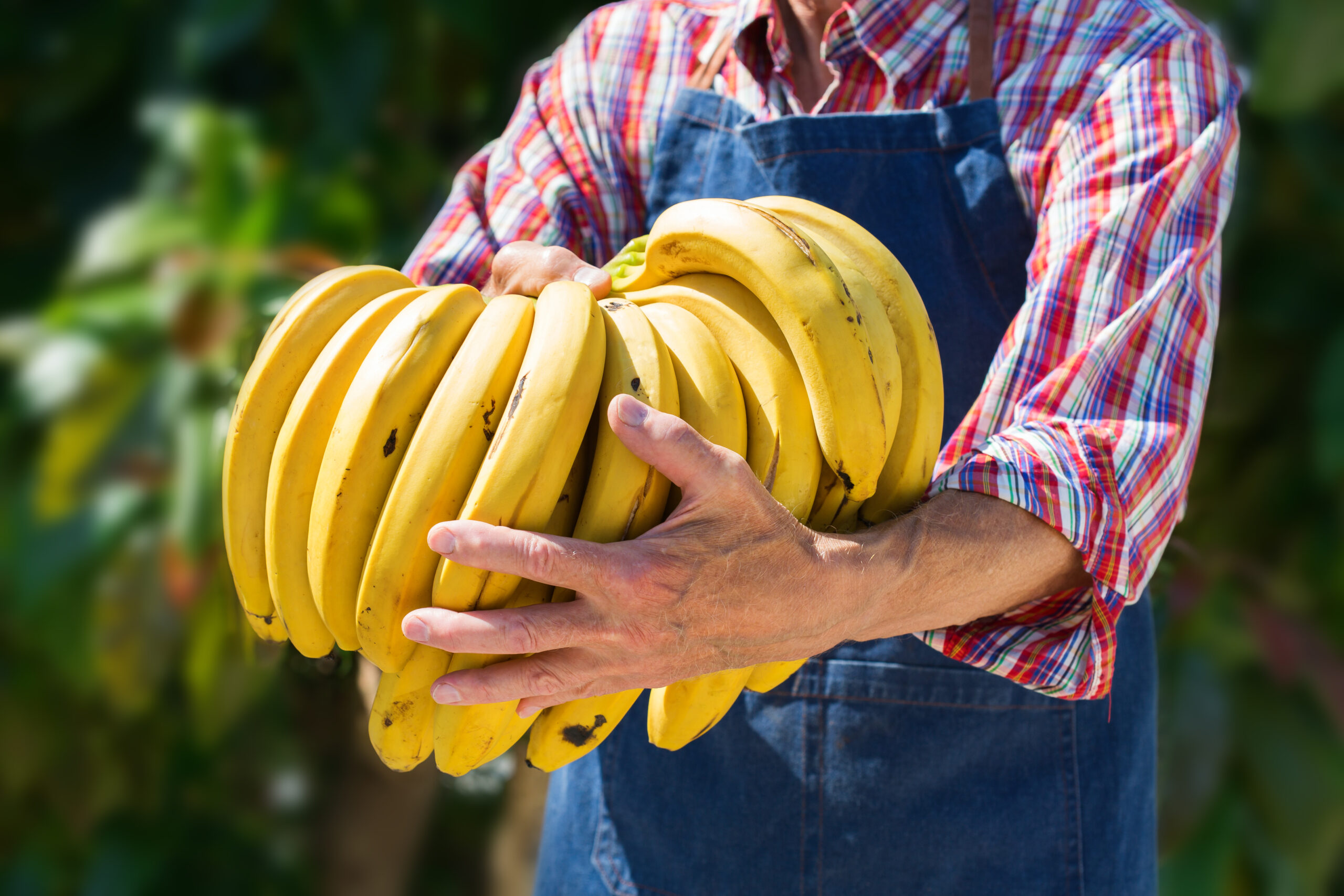
Ecuadorian bananas are poised for a significant strategic move as they set their sights on entering the Chinese market. This pivotal decision marks a notable shift in the global banana trade landscape, with potential far-reaching implications. As the world’s largest producer of bananas, Ecuador is strategically positioning itself to tap into the vast consumer base in China.
The preparations for this market entry are underway, showcasing the careful planning and meticulous execution involved in such a venture. Ecuador, renowned for its high-quality bananas, aims to carve a distinctive space in the competitive Chinese market. The move is not merely about expanding market reach; it signifies a proactive approach to diversify and strengthen the global trade dynamics surrounding this ubiquitous tropical fruit.
This strategic maneuver reflects the dynamism of international trade and highlights Ecuador’s commitment to adapt and thrive in a rapidly evolving economic landscape. As the story unfolds, the eyes of the global trade community are keenly watching the potential ripple effects on the banana industry and, by extension, the broader agricultural and economic sectors.
The journey of Ecuadorian bananas into China serves as a compelling narrative of strategic foresight and adaptability in the pursuit of new opportunities on the global stage.
Ecuadorian Bananas
Ecuadorian bananas, often hailed as the gold standard in the global banana trade, have a rich and storied origin deeply intertwined with the lush landscapes and vibrant culture of Ecuador. Nestled within the equatorial region of South America, Ecuador boasts a unique combination of fertile soil, favorable climate, and skilled agricultural practices, making it an ideal haven for banana cultivation.
Dating back to the late 19th century, the commercial cultivation of bananas gained momentum in Ecuador, propelled by the vision and entrepreneurial spirit of local farmers and traders. Over time, Ecuador emerged as a dominant force in the global banana market, owing to its commitment to quality, innovation, and sustainability.
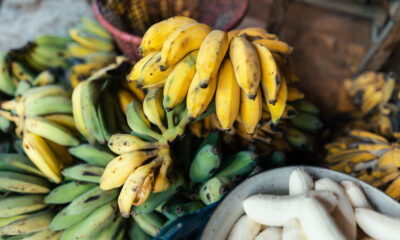
The geographical diversity within Ecuador, ranging from coastal plains to highland regions, allows for the cultivation of various banana varieties, each with its distinct flavor profile and characteristics. From the iconic Cavendish bananas to the lesser known but equally prized varieties like the red bananas, Ecuadorian growers harness this diversity to cater to diverse consumer preferences worldwide.
Beyond its natural bounty, the success of Ecuadorian bananas also stems from a robust infrastructure for cultivation, harvesting, and export, supported by extensive networks of growers, cooperatives, and exporters. This intricate ecosystem ensures that Ecuadorian bananas reach global markets with unparalleled freshness and quality, earning them a reputation as the preferred choice among consumers and traders alike. Today, as Ecuadorian bananas embark on their journey to conquer the Chinese market, they carry with them not just some fruit, but a legacy of excellence, sustainability, and tradition rooted in the vibrant tapestry of Ecuadorian agriculture.
Ecuadorian Bananas and the China Market Entry
The entry of Ecuadorian bananas into the Chinese market marks a strategic maneuver with profound implications for both parties involved. For Ecuador, renowned as the world’s largest exporter of bananas, penetrating the vast and dynamic Chinese market represents a significant opportunity for expansion and growth. With its reputation for producing high-quality bananas coupled with strategic planning and execution, Ecuador is poised to capitalize on the burgeoning demand for fresh fruit in China.
On the other hand, for China, the arrival of Ecuadorian bananas presents an opportunity to diversify its sources of supply and meet the increasing consumer demand for premium tropical fruits. Ecuadorian bananas are expected to resonate well with Chinese consumers who value quality, freshness, and health benefits, thereby contributing to the diversification and enrichment of the fruit offerings available in the Chinese market.
The successful entry of Ecuadorian bananas into China requires navigating various challenges, including logistical considerations, regulatory compliance, and cultural nuances. However, with careful planning, collaboration, and market insights, both Ecuador and China stand to benefit from this strategic partnership, fostering mutual economic growth and strengthening bilateral trade relations. As Ecuadorian bananas make their mark in the Chinese market, they symbolize not only a fruitful exchange of goods but also a testament to the power of international cooperation and market innovation in driving global trade forward.
Global Ecuadorian Bananas Trade
The global trade in Ecuadorian bananas constitutes a vital segment of the international fruit market, underpinning economies, shaping agricultural landscapes, and satisfying consumer demand worldwide. Ecuador, acclaimed as the leading exporter of bananas globally, commands a substantial share of the global market, supplying countries across continents with its renowned fruit.
Central to Ecuador’s dominance in the banana trade is its strategic cultivation practices, leveraging the country’s diverse microclimates and fertile soils to produce a wide variety of bananas year-round. This abundance allows Ecuador to meet the varying preferences of consumers worldwide, from the familiar Cavendish variety to specialty bananas like the red or baby bananas.
The trade in Ecuadorian bananas is facilitated by a robust infrastructure encompassing cultivation, harvesting, packing, and transportation. A network of growers, cooperatives, and exporters collaborates seamlessly to ensure the timely delivery of fresh bananas to international markets, maintaining Ecuador’s reputation for quality and reliability.
Moreover, Ecuador’s engagement in the global banana trade extends beyond mere commercial transactions, as it actively participates in trade agreements, adheres to international standards, and promotes sustainable practices. As a result, Ecuadorian bananas serve not only as a symbol of economic prosperity but also as a testament to the country’s commitment to responsible stewardship of its natural resources and the well-being of its people. In essence, the global trade in Ecuadorian bananas exemplifies the intricate interplay of commerce, culture, and sustainability in the modern agricultural landscape.
Conclusion
In conclusion, the entry of Ecuadorian bananas into the Chinese market signifies a pivotal moment in the evolution of global fruit trade dynamics. With Ecuador’s reputation as a leading exporter of bananas and China’s burgeoning demand for premium fruits, this strategic move holds immense promise for both parties involved. Ecuador’s rich agricultural heritage, coupled with its commitment to quality and sustainability, positions its bananas as a sought-after commodity in the competitive Chinese market.
As Ecuadorian bananas embark on their journey into China, they symbolize not only a lucrative business opportunity but also a bridge connecting diverse cultures and economies. The success of this venture hinges on effective collaboration, innovative market strategies, and a deep understanding of consumer preferences. Moreover, it underscores the transformative power of international trade in driving economic growth, fostering cross-cultural exchanges, and promoting global prosperity.
Looking ahead, the entry of Ecuadorian bananas into the Chinese market is poised to catalyze further developments in the global fruit trade landscape. Fueling innovation, competition, and cooperation among stakeholders. As Ecuador and China navigate the complexities of market entry and adaptation. They pave the way for a more interconnected and resilient agricultural sector that benefits producers, consumers, and communities worldwide. Ultimately, the journey of Ecuadorian bananas into China is not merely about selling a product but forging enduring partnerships and shaping the future of global trade.