Introduction
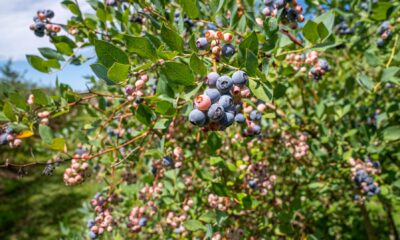
China has emerged as a formidable player in the global blueberry industry, captivating the world with its expanding blueberry production and innovative agricultural practices. Often hailed as the “Center of the Blueberry World,” China’s prominence in the cultivation and export of this antioxidant-rich fruit has witnessed a remarkable surge in recent years. The blueberry industry in China has undergone a transformative journey, transitioning from a relatively modest presence to a key player on the international stage.
China’s ascent in the blueberry sector can be attributed to several factors, including its vast agricultural landscape, diverse climates, and a commitment to technological advancements in farming techniques. The country’s ability to cultivate blueberries in various regions with distinct climates has allowed for a year-round production cycle, ensuring a steady supply for both domestic consumption and global export markets. Moreover, the adoption of modern agricultural practices, such as precision farming and greenhouse cultivation, has significantly boosted yields and quality.
As Fruits Auction BV dives into the heart of China’s blueberry industry, this exploration will uncover the key drivers behind its success, shed light on the strategic regions contributing to the nation’s blueberry bounty, and examine the global impact of China’s blueberry prowess. Join us on this journey to unravel the secrets behind what makes China the epicenter of the blueberry world.
China’s blueberry
The origin of blueberries in China is a tale that intertwines nature’s diversity, agricultural innovation, and the country’s commitment to economic growth. While blueberries are not native to China, their introduction can be traced back to the late 20th century when the government and agricultural communities recognized the potential of diversifying crops.
The journey began with the importation of blueberry plants, primarily varieties from North America, where the fruit is indigenous. The climate and soil conditions in certain regions of China were found to be conducive to blueberry cultivation. The provinces of Yunnan, Guizhou, and Heilongjiang emerged as key players in this endeavor, each offering unique climatic advantages for different varieties of blueberries.
Yunnan, with its mild climate and high altitude, proved ideal for cultivating early-season blueberries, ensuring a market presence before the traditional harvest periods. Guizhou, known for its diverse topography, provided suitable conditions for mid-season varieties. Heilongjiang, with its cooler climate, became a hub for late-season blueberries, extending the harvesting window.
Chinese farmers embraced advanced agricultural practices, including precision farming and the use of protective structures like greenhouses, to optimize blueberry production. Government support and investment further fueled the industry’s growth, turning China into a major global player in the blueberry market.
In essence, the origin of China’s blueberry cultivation industry reflects a strategic and collaborative effort to introduce, adapt, and innovate, resulting in the country’s status as the “Center of the Blueberry World” today.
Global blueberry market
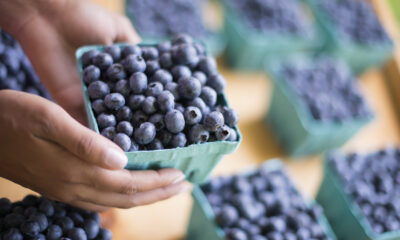
The global blueberry market has experienced significant growth and transformation in recent years, driven by increasing consumer awareness of the fruit’s health benefits and the expanding demand for fresh, nutritious produce. Blueberries, rich in antioxidants and vitamins, have become a popular choice among health-conscious consumers, contributing to the market’s upward trajectory.
North America, particularly the United States and Canada, has historically been a dominant player in the global blueberry market. However, the landscape has evolved, with other regions such as South America, Europe, and Asia-Pacific making substantial contributions to the market’s expansion. China, in particular, has emerged as a major player, not only in domestic consumption but also as a key exporter of blueberries to international markets.
The rise of convenience foods and the increasing popularity of blueberry-based products, such as juices, jams, and frozen berries, have further fueled market growth. Technological advancements in cultivation practices, including greenhouse farming and precision agriculture, have improved yields and extended the availability of blueberries throughout the year.
As the global population continues to prioritize healthy eating habits, the blueberry market is poised for sustained growth, offering opportunities for both traditional and emerging blueberry-producing regions to thrive in this dynamic and competitive industry.
Conclusion
In conclusion, the global blueberry market stands at the intersection of nature’s bounty, technological innovation, and shifting consumer preferences. With its origins in North America, the market has witnessed a remarkable expansion, now embracing diverse regions worldwide. China’s ascent as the “Center of the Blueberry World” symbolizes the industry’s evolution, highlighting the adaptability of agriculture to varying climates and the successful integration of advanced farming practices.
The increasing global awareness of the health benefits associated with blueberries, coupled with a growing demand for fresh and nutritious produce, has propelled the market to new heights. The traditional dominance of North America has given way to a more balanced market landscape, with South America, Europe, and Asia-Pacific emerging as key contributors. China, in particular, has not only become a major consumer but also a significant exporter, reshaping the dynamics of international trade in the blueberry sector.
As the market continues to expand, innovations in cultivation techniques and the development of blueberry-based products are likely to play pivotal roles in sustaining this growth. The future holds promising opportunities for both established and emerging blueberry-producing regions, as the global population’s focus on healthy eating habits shows no signs of waning. In essence, the global blueberry market reflects a harmonious blend of agricultural ingenuity and consumer-driven trends, promising a fruitful future for stakeholders across the globe.