Connect with us

Agriculture, Transportation & Logistics

Chilean Cherries: 95 million Boxes in 2023-24 Exports 

Published

on

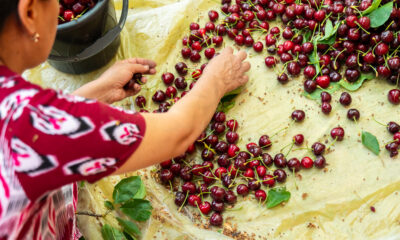
Chilean Cherries boxes | https://fruitsauction.com/

Introduction 

Chilean cherries continue to carve a significant niche in the global fruit market, with the upcoming export season for 2023-24 poised to reach unprecedented heights. Projections indicate that Chile is to export a staggering 95 million boxes of cherries during this period, underscoring the nation’s prowess as a major player in the international fruit trade. Renowned for their exceptional quality, taste, and vibrant color, Chilean cherries have become synonymous with premium produce, captivating the palates of consumers around the world. 

The robust growth in Chilean cherry exports can be attributed to a combination of favorable climatic conditions, advanced agricultural practices, and strategic industry investments. Chile’s unique geography, characterized by diverse microclimates, allows for the cultivation of cherries that are not only abundant but also consistently meet stringent quality standards. Furthermore, the country’s commitment to sustainable farming practices has bolstered its reputation as a reliable and responsible supplier in the global market. 

The introduction of cutting-edge technologies in cultivation, harvesting, and post-harvest processes has further enhanced the efficiency and quality of Chilean cherry production. As a result, the forthcoming export season is anticipate showcasing the culmination of these efforts, with an impressive volume of cherries destined to adorn supermarket shelves and delight consumers worldwide. This promising outlook not only reinforces Chile’s position as a key contributor to the global fruit trade but also underscores the enduring popularity and desirability of Chilean cherries in the international marketplace. 

Chilean Cherries Exports 

Chilean cherries are set to make a resounding mark in the global market during the 2023-24 export season, with an shipment of 95 million boxes. Renowned for their exceptional quality and rich flavor, Chilean cherries have become a sought-after delicacy worldwide. The success of Chilean cherry exports can be attribute to the nation’s favorable climatic conditions, advanced agricultural practices, and a commitment to sustainability. 

Chile’s diverse microclimates provide an ideal environment for cherry cultivation, ensuring a bountiful harvest that consistently meets stringent quality standards. The integration of cutting-edge technologies throughout the cultivation and post-harvest processes further enhances the efficiency and premium quality of Chilean cherries. As a result, the upcoming export season is to showcase the culmination of these efforts, reinforcing Chile’s position as a major player in the international fruit trade and satisfying the growing global demand for top-tier cherries. 

Record-Breaking Chilean Cherries Agricultural Exports 

A few weeks ago, the Chilean Exporters Association (ASOEX) cherry committee, which accounts for over 85% of the country’s total cherry exports to the global market, release its first export estimate for the 2023–2024 season, estimating that 95,412,863 million 5 kg (11 pounds) of boxes will be exports. 

The data will be altering as the season goes on, even if the latest estimate indicates a 15% rise over exports from the previous season. This volume varies regularly due to the meteorological realities that is being confront. To guarantee that consumers may enjoy this Chile fruit, particularly in China, our primary destination, we will continue to ship cherry with excellent quality, size, and flavor to all around the globe”, says ASOEX President Iván. 

Related Articles: Click here to learn more about Chilean fruits and vegetables.

Global Chilean Cherries Demand 

The global demand for Chilean cherries continues to surge, reflecting a growing preference for these premium fruits on the international stage. Chilean cherries have carved a niche for themselves in the global fruit market, captivating consumers with their exceptional flavor, vibrant color, and consistent quality. As the upcoming export season for 2023-24 approaches, the anticipation is high, with projections indicating that Chile is poised to ship an impressive 95 million boxes of cherries worldwide. 

Several factors contribute to the sustained and escalating demand for Chilean cherries. Their availability during the counter-season in the Northern Hemisphere, when many other regions are experiencing winter, positions Chilean cherry as a unique and sought-after product. Additionally, the reputation of Chile for employing advanced agricultural practices, coupled with a commitment to sustainable and responsible farming, instills confidence among consumers and importers alike. 

The global demand for Chilean cherries is further fuel by their status as a premium, high-quality fruit. Chilean cherries are often associate with superior taste and appearance, making them a preferable choice for consumers who seek a delightful and visually appealing culinary experience. As the export volume continues to rise, it underscores the enduring popularity of Chilean cherries and their significant contribution to meeting the increasing appetite for premium fruits across diverse markets worldwide. 

Conclusion 

In conclusion, the outlook for Chilean cherry exports in the 2023-24 season reflects not only a remarkable surge in quantity but also the enduring global appeal of these premium fruits. With an anticipated shipment of 95 million boxes, Chile’s position as a key player in the international fruit trade is solidified. The success of Chilean cherry on the global stage is a testament to the nation’s commitment to excellence in cultivation, incorporating advanced technologies, sustainable practices, and adherence to stringent quality standards. 

As consumer preferences continue to evolve, Chilean cherry stand out as a symbol of quality, flavor, and reliability. The counter-seasonal advantage, coupled with a reputation for responsible agricultural practices, has fueled a consistent rise in demand. The forthcoming export season is poised to not only meet this demand but also to showcase the culmination of efforts that position Chilean cherries as a premier choice in the ever-expanding global fruit market. In essence, Chilean cherries are not just a commodity; they represent a harmonious blend of nature’s bounty and human ingenuity, delighting taste buds and defining excellence in the world of fruit exports. 

Agriculture, Transportation & Logistics

Exploring the Sweetness of Community-Supported Agriculture (CSA) for Fruits

Published

on

In recent years, a noticeable shift has occurred in how people approach their food consumption. As society becomes increasingly mindful of the environmental repercussions of conventional farming practices and seeks out more wholesome, locally-produced food options, Community-Supported Agriculture (CSA) has become a sought-after solution. While CSAs have traditionally been associated with vegetables, a lesser-known but equally rewarding counterpart is CSA for fruits. Let’s delve into Fruit CSAs, understanding how they work, their mutual benefits, and how you can join in.

How Does Fruit CSA Work?

At its core, a Fruit CSA operates much like its vegetable-centric counterpart. Local farms offer shares or subscriptions to their harvest, giving members a regular supply of fresh fruits throughout the growing season. Members typically pay upfront or in installments, which helps farmers cover production costs. In return, members receive a diverse assortment of seasonal fruits, often including varieties that might not be commonly found in supermarkets.

Benefits for Farmers and Consumers

For Farmers:

1. Stable Income: CSA memberships provide farmers with a predictable income stream, helping them mitigate the financial risks of farming.

2. Direct Marketing: Farmers can bypass intermediaries like wholesalers and retailers by selling directly to consumers and retaining a more significant portion of the profits.

3. Community Engagement: CSAs foster stronger connections between farmers and their local communities, allowing for meaningful interactions and shared values.

For Consumers:

1. Freshness and Quality: CSA members enjoy fruits at the peak of freshness, often harvested just hours before delivery, resulting in superior taste and nutritional value.

2. Seasonal Variety: CSAs introduce consumers to diverse fruits, promoting a deeper appreciation for seasonal eating and local agriculture.

3. Supporting Local Economy: By participating in a Fruit CSA, consumers actively support local farmers and contribute to the sustainability of their regional food system.

How to Participate

1. Research Local Farms: Research farms in your area that offer Fruit CSA programs. Local farmer’s markets, agricultural websites, and community bulletin boards are excellent places to begin your search.

2. Evaluate Options: Compare the offerings of different farms, considering factors such as cost, pickup locations, delivery options, and the variety of fruits included in each share.

3. Sign Up: Once you’ve chosen a CSA that aligns with your preferences, sign up for a membership or share according to the farm’s enrollment process. Be sure to inquire about payment schedules and any additional requirements.

4. Enjoy the Fruits of Your Membership: Sit back and anticipate receiving your first fruit share. As the season progresses, savor the delicious bounty of locally-grown fruits, knowing you’re supporting your community and nurturing a sustainable food system.

In conclusion, community-supported agriculture for fruits offers a mutually beneficial arrangement for farmers and consumers. Participating in a Fruit CSA allows individuals to enjoy abundant fresh, seasonal fruits while forging meaningful connections with local farmers and their communities. It’s a delicious way to support sustainable agriculture and reap the rewards of nature’s bounty.

Continue Reading

Agriculture, Transportation & Logistics

The Environmental Impact of Fruit Farming

Published

on

Fruit farming

Fruit farming is essential for providing nutritious food, but it has significant environmental impacts. Grasping these impacts empowers us to make informed decisions and advocate for sustainable practices.

Water Usage

Fruit farming is notably water-intensive. Crops like almonds and avocados require substantial amounts of water, straining resources, especially in drought-prone regions. Effective irrigation techniques, like drip irrigation, which channels water directly to the plant roots, can greatly minimize wastage. Additionally, rainwater harvesting, where rainwater is collected and stored for irrigation, can help mitigate the demand for local water supplies.

Pesticides and Chemicals

Using pesticides in fruit farming helps protect crops but can lead to environmental contamination. Pesticides can seep into soil and water, harm beneficial insects like bees, and decrease biodiversity. Integrated Pest Management (IPM) combines biological and mechanical methods to manage pests with minimal chemical use. At the same time, organic farming relies on natural alternatives to synthetic pesticides, such as neem oil or introducing predator insects.

Soil Health

Intensive farming practices can degrade soil quality, depleting nutrients and increasing erosion. Techniques such as crop rotation, involving the sequential cultivation of diverse crops to uphold soil fertility, and the planting of cover crops, which enrich the soil with nutrients and mitigate erosion, can markedly enhance soil vitality.

Carbon Footprint

Fruit cultivation, harvesting, and transportation contribute to greenhouse gas emissions. Local sourcing of fruits can reduce transportation emissions, while sustainable farming practices like using renewable energy and adopting no-till farming can lower the overall carbon footprint.

Biodiversity

Large-scale fruit farming often leads to habitat loss and reduced biodiversity, especially in tropical regions where it can infringe on rainforests. Agroforestry, which integrates trees into farms, can enhance biodiversity and improve soil health. Conservation efforts that protect natural habitats and promote wildlife-friendly farming practices are also crucial.

Consumer Actions

Consumers wield substantial influence in advancing sustainable fruit farming practices. Buying organic fruits supports farms that avoid synthetic chemicals. Supporting local farmers reduces transportation emissions and boosts the local economy. Eating seasonal fruits minimizes the need for energy-intensive storage and long-distance transportation. Properly storing and using all parts of the fruit can also help reduce waste and its environmental impact.

Conclusion

Sustainable fruit farming is essential for maintaining environmental health. Through informed decision-making and endorsing environmentally conscious practices, we can relish nutritious fruits while safeguarding the future of our planet. Sustainable practices are crucial to ensuring that the sweet fruits of today do not come at the cost of a bitter tomorrow.

Continue Reading

Agriculture, Transportation & Logistics

Ukraine’s Blueberries Safe from Frost  

Find out why experts believe Ukraine’s blueberries will not be impacted by possible frosts. Explore the factors ensuring the safety of the blueberry harvest. 
Published

on

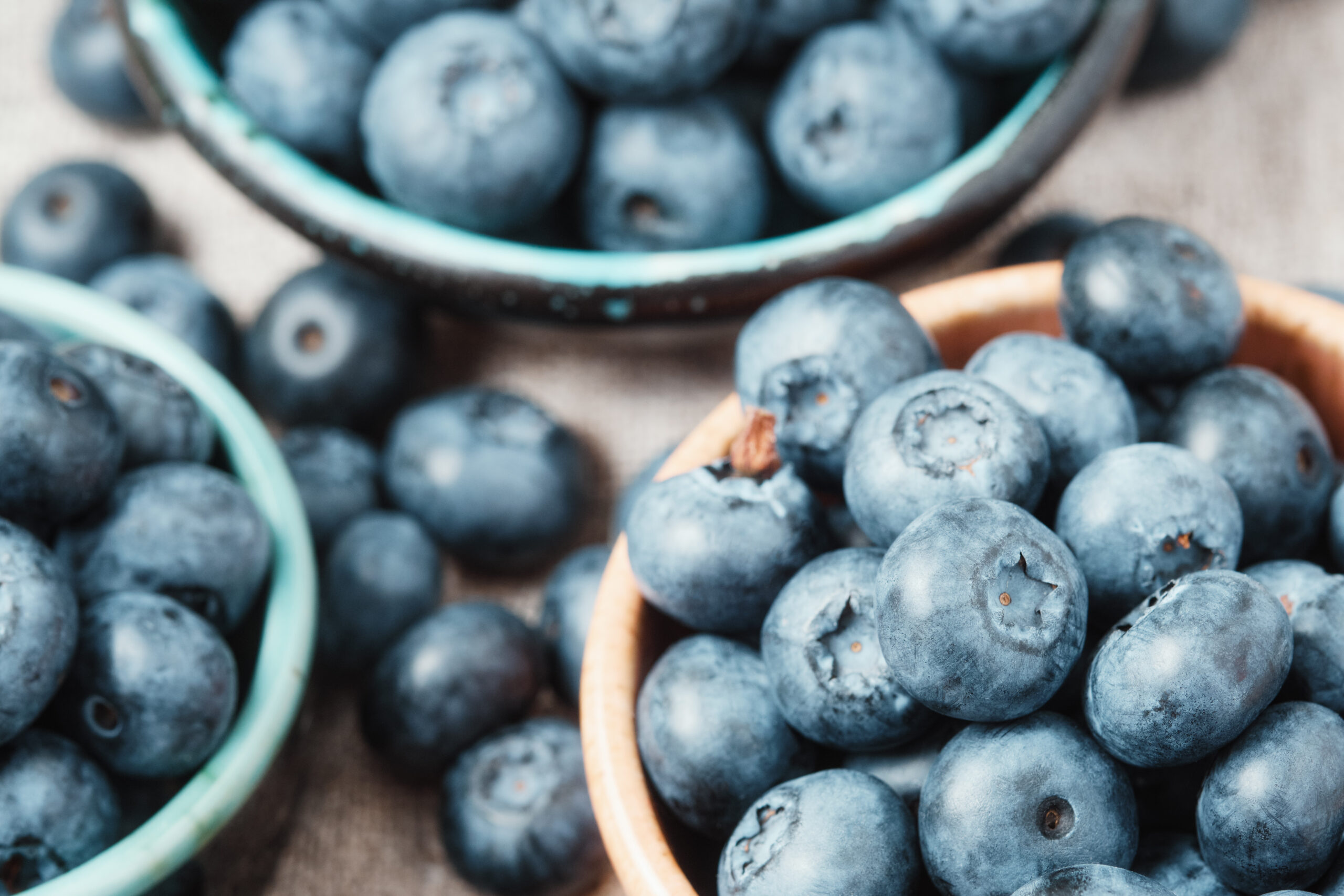
Ukraine's blueberries| https://fruitsauction.com/

Introduction 

Ukraine’s blueberry industry has reason to celebrate, as experts predict that this year’s harvest will be safe from potential frosts. Despite early spring’s unpredictable weather patterns, various factors suggest that Ukraine’s blueberries will not face significant damage from cold temperatures. This is excellent news for the country’s agricultural sector, which has seen steady growth in blueberry production and exports in recent years. 

The primary factor contributing to this optimism is the timing of the frost risk relative to the growth stage of the blueberry plants. Blueberries in Ukraine are generally planted and cultivated in regions where the threat of late frosts is minimal. This strategic location, combined with careful planning by farmers, ensures that the blueberry bushes have sufficient time to mature and develop frost-resistant characteristics before the colder weather sets in. 

Additionally, modern agricultural practices and technology play a vital role in safeguarding blueberry crops. Many Ukrainian farmers employ advanced techniques such as protective covers and frost-resistant varieties, further mitigating the risk of damage from unexpected temperature drops. The use of weather forecasting and monitoring tools also allows farmers to anticipate and respond to adverse conditions swiftly. 

These factors, among others, give experts confidence that Ukraine’s blueberries will remain largely unaffected by possible frosts, allowing for a successful harvest and continued growth in the industry. 

Ukraine’s Blueberries  

Ukraine’s blueberry harvest is poised for success this season, with experts suggesting that possible frosts won’t impact the crop significantly. This promising outlook is thanks to a combination of strategic farming practices and advanced agricultural technology. 

One key reason for this confidence is the careful selection of planting regions, where late frosts are less likely to occur. This strategic choice helps ensure that blueberry bushes have ample time to develop their natural resistance to cold weather. Additionally, many Ukrainian farmers use frost-resistant varieties and protective measures, such as specialized covers, to guard against unexpected temperature drops. 

Another crucial factor is the use of modern weather forecasting tools. These tools enable farmers to monitor weather patterns closely, allowing them to take proactive steps to protect their crops if frost threatens. 

Overall, these combined efforts are likely to result in a robust blueberry harvest, reinforcing Ukraine’s growing reputation as a reliable source of high-quality blueberries. 

Ukraine’s Blueberries Under Frost Protection, Expert Opinion 

Ukraine’s blueberry industry is taking comprehensive measures to ensure the safety of its crops, even as experts warn of possible frosts. The blueberry harvest is critical to the country’s agricultural sector, and frost protection strategies are crucial to avoid significant losses. 

One primary method is the use of frost-resistant blueberry varieties, which are bred to withstand colder temperatures. This approach allows farmers to cultivate crops in regions prone to temperature fluctuations. Additionally, many Ukrainian farmers use protective covers, like frost blankets or tunnels, to insulate the plants from sudden cold snaps. 

Experts also point to modern weather monitoring systems as a vital tool in frost protection. These systems give farmers early warnings about temperature changes, allowing them to take swift action to safeguard their crops. By combining these strategies with strategic planting locations, Ukraine’s blueberry growers are well-positioned to withstand the risks posed by frost. This multi-layered approach offers a promising outlook for the nation’s blueberry harvest. 

Conclusion 

In conclusion, Ukraine’s blueberry industry has adopted a multi-faceted approach to safeguard its crops from the threat of frost, ensuring a promising outlook for this year’s blueberry harvest. By utilizing frost-resistant varieties, employing protective covers, and closely monitoring weather patterns, Ukrainian farmers are taking proactive measures to minimize the impact of cold temperatures. 

The use of frost-resistant blueberry varieties has proven particularly effective, allowing farmers to cultivate their crops in areas where temperatures may fluctuate unexpectedly. Protective covers, such as frost blankets and tunnels, add an extra layer of security, insulating plants against sudden temperature drops. 

Modern weather monitoring systems play a critical role in these efforts, providing farmers with real-time data on weather conditions. This enables them to act quickly if frost warnings arise, taking the necessary precautions to protect their crops. 

With these measures in place, experts believe that Ukraine’s blueberry growers are well-prepared to face the challenges posed by frost. This confidence is not only reassuring for the agricultural sector but also for the broader economy, as a successful blueberry harvest contributes to Ukraine’s reputation as a reliable source of high-quality produce. As the season progresses, the industry will continue to rely on these protective strategies to ensure a successful and bountiful harvest. 

Continue Reading

Trending

Copyright © 2023 Fruits Auction. Developed by Digital Help Ltd