Connect with us

Agriculture, Transportation & Logistics

CALIFORNIA LETTUCE PRICES COULD SPIKE

Published

on

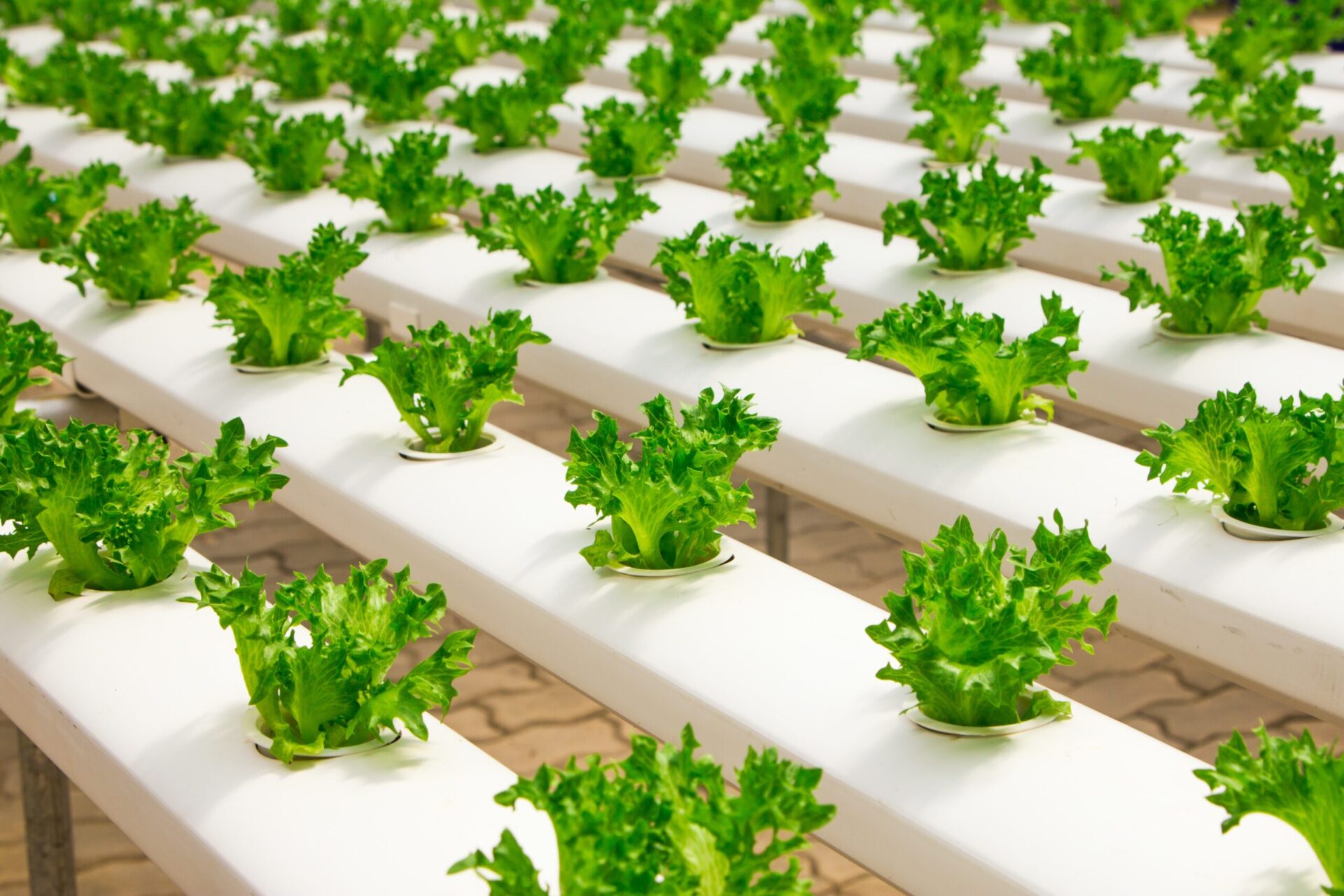
Photo by Jatuphon Buraphon: https://www.pexels.com/photo/view-of-vegetables-348689/

According to forecasts for the upcoming three weeks, lettuce supply from California lettuce appears regular. That might alter, though. The lettuce kinds and growth patterns are typically a little different in the autumn because of the warmer weather. In the autumn, they frequently vary considerably in size and weight in the fields.

It has seemed like autumn for the previous few weeks, even though these changes are typically witnessed in late August or early September. Some fields require more growing time than others. One pitch has been moved from this week’s final day to the following week. It will also take longer to complete the next two or three fields. As a result, we didn’t have any extra land to begin with, and we’re now beginning to see that the lettuce’s development is slowing and that there is less weight each container.

California, known as the “Salad Bowl of the Nation,” is facing significant challenges in its lettuce industry. Recent disruptions in the supply chain have led to a surge in lettuce prices, causing concern among consumers and the agricultural sector. Let’s delve into the factors contributing to this price increase and explore potential solutions.

Drought Conditions and Labor Shortages Exacerbate California Lettuce Price Surge

One of the primary factors driving up lettuce prices in California lettuce is the ongoing drought conditions. Water scarcity has severely impacted the state’s agricultural sector, affecting lettuce crops as well. Farmers have had to contend with reduced water allocations, leading to decreased yields and increased production costs. This, in turn, has contributed to the rise in lettuce prices.

Additionally, labor shortages have further complicated the situation. The agricultural industry heavily relies on seasonal workers for planting, harvesting, and processing lettuce. However, labor shortages, exacerbated by immigration policies and the COVID-19 pandemic, have made it challenging to meet the demand for labor. As a result, farmers are facing higher wages and increased costs, which are ultimately passed on to consumers.

Consumer Strategies to Navigate Rising California Lettuce Costs

With lettuce prices on the rise, consumers are seeking strategies to manage their grocery budgets effectively. Here are some pointers to help you deal with the current circumstance:

Explore Alternative California Lettuce Options

Consider substituting California lettuce with other leafy greens like spinach, kale, or arugula. These alternatives offer similar nutritional benefits and can be used in a variety of dishes.

Support Local Farming Initiatives

Look for lettuce from local farmers through farmers’ markets or community-supported agriculture (CSA) programs. Supporting local farmers not only ensures fresher produce but also helps reduce the impact of rising prices.

Plan Meals in Advance

To prevent food waste, prepare your meals in advance. This way, you can buy the right amount of lettuce and use it efficiently, minimizing unnecessary expenses.

Impact on Consumers

The surge in lettuce prices may lead to higher grocery bills and limited availability of lettuce in stores, affecting consumers’ meal planning and choices.

Impact on Farmers

Although higher prices may seem beneficial, farmers also encounter difficulties. Rising California lettuce production costs, such as increased labor wages and transportation expenses, can diminish their profits.

Efforts to Address the California Lettuce Surge

Sustainable Farming Practices

Farmers are exploring innovative techniques to mitigate the impact of extreme weather and enhance crop resilience.

Technological Advancements

Adoption of automation and advanced farming technologies can optimize production and reduce reliance on labor.

Crop Diversification

Some farmers are diversifying their crops to minimize dependence on lettuce and mitigate the effects of price fluctuations.

Continue Reading
Click to comment

Leave a Reply

Your email address will not be published. Required fields are marked *

Agriculture, Transportation & Logistics

Exploring the Sweetness of Community-Supported Agriculture (CSA) for Fruits

Published

on

In recent years, a noticeable shift has occurred in how people approach their food consumption. As society becomes increasingly mindful of the environmental repercussions of conventional farming practices and seeks out more wholesome, locally-produced food options, Community-Supported Agriculture (CSA) has become a sought-after solution. While CSAs have traditionally been associated with vegetables, a lesser-known but equally rewarding counterpart is CSA for fruits. Let’s delve into Fruit CSAs, understanding how they work, their mutual benefits, and how you can join in.

How Does Fruit CSA Work?

At its core, a Fruit CSA operates much like its vegetable-centric counterpart. Local farms offer shares or subscriptions to their harvest, giving members a regular supply of fresh fruits throughout the growing season. Members typically pay upfront or in installments, which helps farmers cover production costs. In return, members receive a diverse assortment of seasonal fruits, often including varieties that might not be commonly found in supermarkets.

Benefits for Farmers and Consumers

For Farmers:

1. Stable Income: CSA memberships provide farmers with a predictable income stream, helping them mitigate the financial risks of farming.

2. Direct Marketing: Farmers can bypass intermediaries like wholesalers and retailers by selling directly to consumers and retaining a more significant portion of the profits.

3. Community Engagement: CSAs foster stronger connections between farmers and their local communities, allowing for meaningful interactions and shared values.

For Consumers:

1. Freshness and Quality: CSA members enjoy fruits at the peak of freshness, often harvested just hours before delivery, resulting in superior taste and nutritional value.

2. Seasonal Variety: CSAs introduce consumers to diverse fruits, promoting a deeper appreciation for seasonal eating and local agriculture.

3. Supporting Local Economy: By participating in a Fruit CSA, consumers actively support local farmers and contribute to the sustainability of their regional food system.

How to Participate

1. Research Local Farms: Research farms in your area that offer Fruit CSA programs. Local farmer’s markets, agricultural websites, and community bulletin boards are excellent places to begin your search.

2. Evaluate Options: Compare the offerings of different farms, considering factors such as cost, pickup locations, delivery options, and the variety of fruits included in each share.

3. Sign Up: Once you’ve chosen a CSA that aligns with your preferences, sign up for a membership or share according to the farm’s enrollment process. Be sure to inquire about payment schedules and any additional requirements.

4. Enjoy the Fruits of Your Membership: Sit back and anticipate receiving your first fruit share. As the season progresses, savor the delicious bounty of locally-grown fruits, knowing you’re supporting your community and nurturing a sustainable food system.

In conclusion, community-supported agriculture for fruits offers a mutually beneficial arrangement for farmers and consumers. Participating in a Fruit CSA allows individuals to enjoy abundant fresh, seasonal fruits while forging meaningful connections with local farmers and their communities. It’s a delicious way to support sustainable agriculture and reap the rewards of nature’s bounty.

Continue Reading

Agriculture, Transportation & Logistics

The Environmental Impact of Fruit Farming

Published

on

Fruit farming

Fruit farming is essential for providing nutritious food, but it has significant environmental impacts. Grasping these impacts empowers us to make informed decisions and advocate for sustainable practices.

Water Usage

Fruit farming is notably water-intensive. Crops like almonds and avocados require substantial amounts of water, straining resources, especially in drought-prone regions. Effective irrigation techniques, like drip irrigation, which channels water directly to the plant roots, can greatly minimize wastage. Additionally, rainwater harvesting, where rainwater is collected and stored for irrigation, can help mitigate the demand for local water supplies.

Pesticides and Chemicals

Using pesticides in fruit farming helps protect crops but can lead to environmental contamination. Pesticides can seep into soil and water, harm beneficial insects like bees, and decrease biodiversity. Integrated Pest Management (IPM) combines biological and mechanical methods to manage pests with minimal chemical use. At the same time, organic farming relies on natural alternatives to synthetic pesticides, such as neem oil or introducing predator insects.

Soil Health

Intensive farming practices can degrade soil quality, depleting nutrients and increasing erosion. Techniques such as crop rotation, involving the sequential cultivation of diverse crops to uphold soil fertility, and the planting of cover crops, which enrich the soil with nutrients and mitigate erosion, can markedly enhance soil vitality.

Carbon Footprint

Fruit cultivation, harvesting, and transportation contribute to greenhouse gas emissions. Local sourcing of fruits can reduce transportation emissions, while sustainable farming practices like using renewable energy and adopting no-till farming can lower the overall carbon footprint.

Biodiversity

Large-scale fruit farming often leads to habitat loss and reduced biodiversity, especially in tropical regions where it can infringe on rainforests. Agroforestry, which integrates trees into farms, can enhance biodiversity and improve soil health. Conservation efforts that protect natural habitats and promote wildlife-friendly farming practices are also crucial.

Consumer Actions

Consumers wield substantial influence in advancing sustainable fruit farming practices. Buying organic fruits supports farms that avoid synthetic chemicals. Supporting local farmers reduces transportation emissions and boosts the local economy. Eating seasonal fruits minimizes the need for energy-intensive storage and long-distance transportation. Properly storing and using all parts of the fruit can also help reduce waste and its environmental impact.

Conclusion

Sustainable fruit farming is essential for maintaining environmental health. Through informed decision-making and endorsing environmentally conscious practices, we can relish nutritious fruits while safeguarding the future of our planet. Sustainable practices are crucial to ensuring that the sweet fruits of today do not come at the cost of a bitter tomorrow.

Continue Reading

Agriculture, Transportation & Logistics

Ukraine’s Blueberries Safe from Frost  

Find out why experts believe Ukraine’s blueberries will not be impacted by possible frosts. Explore the factors ensuring the safety of the blueberry harvest. 
Published

on

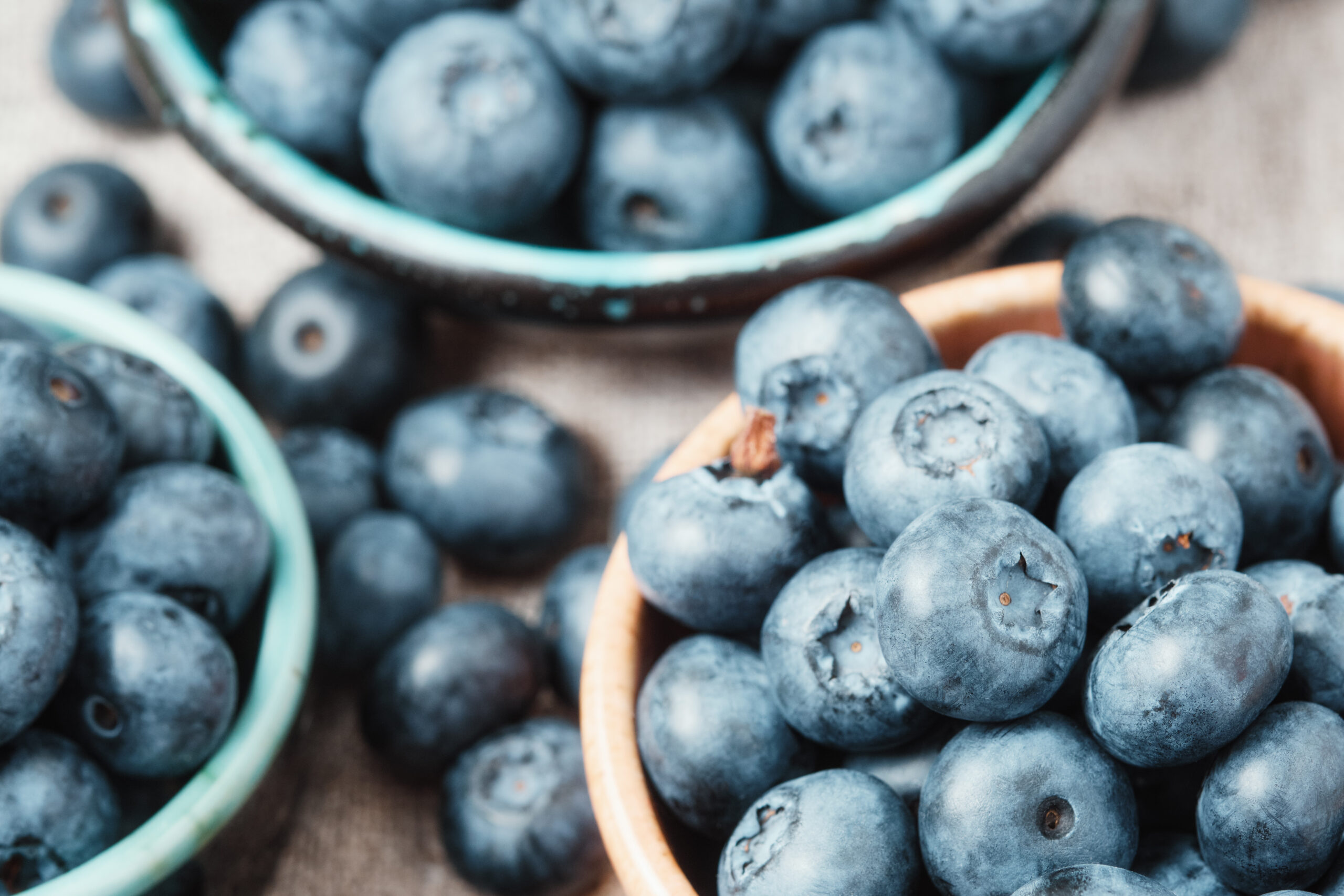
Ukraine's blueberries| https://fruitsauction.com/

Introduction 

Ukraine’s blueberry industry has reason to celebrate, as experts predict that this year’s harvest will be safe from potential frosts. Despite early spring’s unpredictable weather patterns, various factors suggest that Ukraine’s blueberries will not face significant damage from cold temperatures. This is excellent news for the country’s agricultural sector, which has seen steady growth in blueberry production and exports in recent years. 

The primary factor contributing to this optimism is the timing of the frost risk relative to the growth stage of the blueberry plants. Blueberries in Ukraine are generally planted and cultivated in regions where the threat of late frosts is minimal. This strategic location, combined with careful planning by farmers, ensures that the blueberry bushes have sufficient time to mature and develop frost-resistant characteristics before the colder weather sets in. 

Additionally, modern agricultural practices and technology play a vital role in safeguarding blueberry crops. Many Ukrainian farmers employ advanced techniques such as protective covers and frost-resistant varieties, further mitigating the risk of damage from unexpected temperature drops. The use of weather forecasting and monitoring tools also allows farmers to anticipate and respond to adverse conditions swiftly. 

These factors, among others, give experts confidence that Ukraine’s blueberries will remain largely unaffected by possible frosts, allowing for a successful harvest and continued growth in the industry. 

Ukraine’s Blueberries  

Ukraine’s blueberry harvest is poised for success this season, with experts suggesting that possible frosts won’t impact the crop significantly. This promising outlook is thanks to a combination of strategic farming practices and advanced agricultural technology. 

One key reason for this confidence is the careful selection of planting regions, where late frosts are less likely to occur. This strategic choice helps ensure that blueberry bushes have ample time to develop their natural resistance to cold weather. Additionally, many Ukrainian farmers use frost-resistant varieties and protective measures, such as specialized covers, to guard against unexpected temperature drops. 

Another crucial factor is the use of modern weather forecasting tools. These tools enable farmers to monitor weather patterns closely, allowing them to take proactive steps to protect their crops if frost threatens. 

Overall, these combined efforts are likely to result in a robust blueberry harvest, reinforcing Ukraine’s growing reputation as a reliable source of high-quality blueberries. 

Ukraine’s Blueberries Under Frost Protection, Expert Opinion 

Ukraine’s blueberry industry is taking comprehensive measures to ensure the safety of its crops, even as experts warn of possible frosts. The blueberry harvest is critical to the country’s agricultural sector, and frost protection strategies are crucial to avoid significant losses. 

One primary method is the use of frost-resistant blueberry varieties, which are bred to withstand colder temperatures. This approach allows farmers to cultivate crops in regions prone to temperature fluctuations. Additionally, many Ukrainian farmers use protective covers, like frost blankets or tunnels, to insulate the plants from sudden cold snaps. 

Experts also point to modern weather monitoring systems as a vital tool in frost protection. These systems give farmers early warnings about temperature changes, allowing them to take swift action to safeguard their crops. By combining these strategies with strategic planting locations, Ukraine’s blueberry growers are well-positioned to withstand the risks posed by frost. This multi-layered approach offers a promising outlook for the nation’s blueberry harvest. 

Conclusion 

In conclusion, Ukraine’s blueberry industry has adopted a multi-faceted approach to safeguard its crops from the threat of frost, ensuring a promising outlook for this year’s blueberry harvest. By utilizing frost-resistant varieties, employing protective covers, and closely monitoring weather patterns, Ukrainian farmers are taking proactive measures to minimize the impact of cold temperatures. 

The use of frost-resistant blueberry varieties has proven particularly effective, allowing farmers to cultivate their crops in areas where temperatures may fluctuate unexpectedly. Protective covers, such as frost blankets and tunnels, add an extra layer of security, insulating plants against sudden temperature drops. 

Modern weather monitoring systems play a critical role in these efforts, providing farmers with real-time data on weather conditions. This enables them to act quickly if frost warnings arise, taking the necessary precautions to protect their crops. 

With these measures in place, experts believe that Ukraine’s blueberry growers are well-prepared to face the challenges posed by frost. This confidence is not only reassuring for the agricultural sector but also for the broader economy, as a successful blueberry harvest contributes to Ukraine’s reputation as a reliable source of high-quality produce. As the season progresses, the industry will continue to rely on these protective strategies to ensure a successful and bountiful harvest. 

Continue Reading

Trending

Copyright © 2023 Fruits Auction. Developed by Digital Help Ltd