Introduction
Agriculture, the bedrock of civilization, encompasses the intricate tapestry of cultivating crops, raising livestock, and managing natural resources. At its essence, it is more than a mere means of sustenance; it is a profound interplay between humans and the environment, a delicate dance that sustains life, fuels economies, and shapes landscapes.
Cultivation stands as the primary pillar, where the alchemy of soil, water, and sunlight transforms seeds into sustenance. This art has evolved over millennia, from ancient agrarian societies to the modern, technology-driven farms of today. The rhythmic cycle of planting, nurturing, and harvesting echoes through generations, a testament to humanity’s symbiotic relationship with the land.
Raising livestock adds another dimension to this agrarian symphony. The careful stewardship of animals for meat, milk, and other resources underscores the interconnectedness of agriculture and animal husbandry. It’s a practice that extends beyond economic considerations, emphasizing responsible resource management and ethical treatment of creatures sharing our agricultural realm.
Moreover, agriculture is a cornerstone of economic sustenance, driving rural economies and influencing global markets. The ebb and flow of crops impact trade, employment, and livelihoods, creating a web of interdependence that spans the globe.
As we embark on this exploration of agriculture, we delve into not just a profession but a way of life.
Join Fruits Auction BV in unraveling the layers of this vital tapestry that sustains humanity and shapes the world we inhabit.
Agriculture
Agriculture, often defined as the science and art of cultivating the land, encompasses a broad spectrum of activities aimed at producing food, fiber, and other resources essential for human sustenance and economic development. At its core, agriculture involves the cultivation of crops and the raising of livestock, leveraging natural resources such as soil, water, and sunlight in a symbiotic relationship with the environment. This multifaceted discipline extends beyond mere production, encompassing aspects of land management, resource conservation, and rural development.
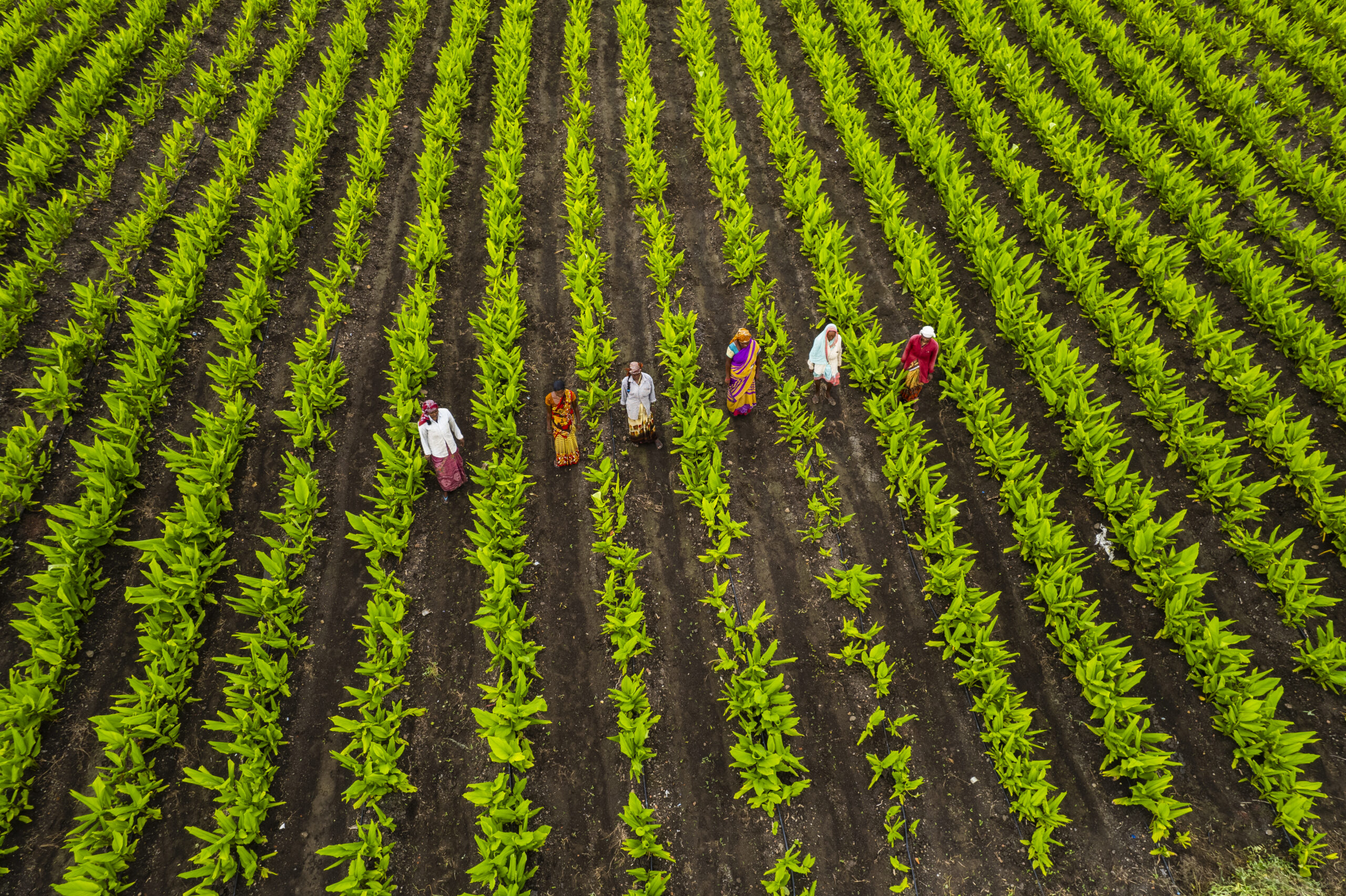
Central to agriculture is crop cultivation, where seeds are sown, nurtured, and harvested to yield various foodstuffs, including grains, fruits, vegetables, and oilseeds. The cultivation process involves a deep understanding of soil health, climate patterns, and pest management techniques to ensure optimal yields and sustainable production practices. Additionally, agriculture encompasses the raising of livestock for meat, dairy, and other animal products, requiring expertise in animal husbandry, nutrition, and welfare.
Furthermore, agriculture plays a pivotal role in global food security, economic stability, and environmental sustainability. It serves as the backbone of rural economies, providing employment opportunities and driving innovation in agribusiness and related industries. As societies evolve and populations grow, the significance of agriculture in providing nourishment, livelihoods, and a sustainable future becomes increasingly apparent.
Agriculture and Farming Concept
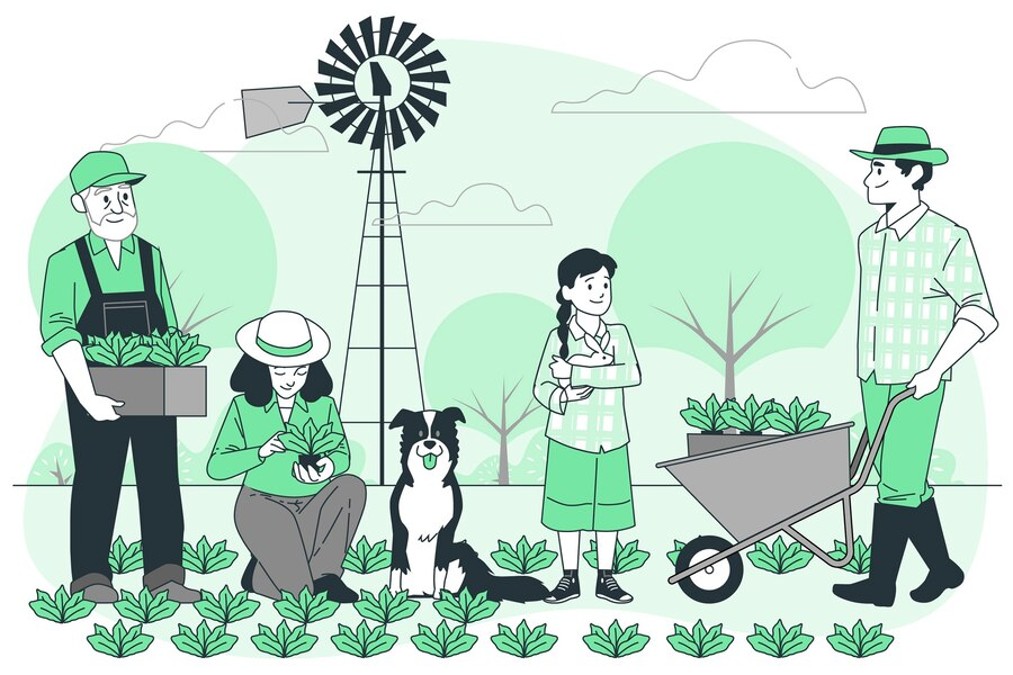
Agriculture and farming are foundational pillars of society, intertwining the cultivation of crops and the raising of livestock to sustainably produce food and other essential resources. At their essence, they embody the intricate dance between humans and the environment, leveraging natural resources like soil, water, and sunlight to nourish communities and fuel economies.
Food production lies at the heart of agriculture and farming, encompassing the processes involved in growing, harvesting, and processing crops and livestock to meet the nutritional needs of populations. From small-scale subsistence farming to large-scale commercial agriculture, the goal remains consistent: to efficiently and responsibly produce food while minimizing environmental impact and maximizing resource efficiency.
This concept of food production underscores the critical role that agriculture and farming play in feeding the world’s growing population, ensuring food security, and fostering economic development in rural communities. Moreover, it highlights the importance of sustainable agricultural practices that balance productivity with environmental stewardship to create a resilient and equitable food system for future generations.
Agriculture Leading to Economic Sustenance
Agriculture serves as a cornerstone of economic sustenance through various channels, playing a pivotal role in driving economic growth, employment generation, and market development. Here are several ways agriculture contributes to economic sustenance:
- Employment Opportunities: Agriculture remains a significant source of employment worldwide, particularly in rural areas. It provides jobs for millions of people involved in farming, agribusiness, and related industries such as food processing, transportation, and marketing.
- Income Generation: Agriculture generates income for farmers, farmworkers, and agribusinesses, contributing to household livelihoods and rural prosperity. The sale of agricultural products in local and global markets generates revenue streams that support economic activities and investment in rural communities.
- Export Revenue: Many countries rely on agricultural exports to earn foreign exchange and bolster their economies. Cash crops, such as coffee, cocoa, and tea, are vital sources of export revenue for numerous developing nations, helping to finance imports and stimulate economic growth.
- Market Development: Agriculture stimulates market development by creating demand for inputs such as seeds, fertilizers, machinery, and pesticides. This fosters the growth of agribusinesses and ancillary industries, driving innovation, competition, and economic diversification.
- Rural Development: Agriculture contributes to rural development by providing infrastructure, services, and investment in rural areas. It supports the development of agro-industrial clusters, transportation networks, and social infrastructure, improving living standards and reducing poverty in rural communities.
Overall, agriculture’s multifaceted contributions to economic sustenance underscore its importance as a driver of prosperity, employment, and development worldwide. By investing in sustainable agriculture and rural development, nations can harness the full potential of agriculture to build resilient economies and ensure the well-being of their populations.
Agriculture and Environmental Stewardship
Agriculture and environmental stewardship are intrinsically linked, with sustainable farming practices playing a crucial role in preserving ecosystems, conserving natural resources, and mitigating environmental degradation. Here are several ways agriculture contributes to environmental stewardship:
- Soil Conservation: Sustainable agricultural practices, such as conservation tillage, cover cropping, and agroforestry, help prevent soil erosion, improve soil health, and promote long-term fertility. By maintaining soil structure and reducing runoff, these practices protect valuable topsoil and enhance the resilience of agricultural landscapes.
- Water Management: Agriculture accounts for a significant portion of global water use, making efficient water management essential for environmental sustainability. Precision irrigation techniques, water-saving technologies, and water recycling systems help minimize water consumption, reduce pollution, and safeguard aquatic ecosystems.
- Biodiversity Conservation: Agriculture affects biodiversity through land use change, habitat destruction, and the introduction of invasive species. Sustainable farming practices, such as crop rotation, mixed cropping, and integrated pest management, support biodiversity conservation by preserving natural habitats, minimizing chemical inputs, and promoting species diversity on farms.
- Climate Change Mitigation: Agriculture contributes to climate change through greenhouse gas emissions from livestock, soil degradation, and deforestation. Sustainable land management practices, such as agroforestry, organic farming, and carbon sequestration, help mitigate climate change by reducing emissions, enhancing carbon storage, and promoting climate-resilient farming systems.
- Wildlife Habitat Preservation: Agricultural landscapes provide vital habitat for wildlife, including birds, insects, and mammals. Agri-environmental schemes, wildlife corridors, and habitat restoration projects support wildlife conservation by creating interconnected habitats, protecting biodiversity hotspots, and enhancing ecosystem resilience.
Overall, agriculture plays a critical role in environmental stewardship by promoting sustainable land use practices, conserving natural resources, and safeguarding biodiversity. By adopting holistic approaches to farming that prioritize ecological health and resilience, farmers can contribute to a more sustainable and harmonious relationship between agriculture and the environment.
Conclusion
In conclusion, agriculture stands as a pivotal force shaping our world, intertwining the fundamental aspects of food production, economic sustenance, and environmental stewardship. Throughout history, agriculture has been the bedrock of human civilization, providing sustenance, livelihoods, and cultural identity to communities around the globe.
As Fruits Auction BV reflect on the multifaceted nature of agriculture, it becomes evident that its significance extends far beyond mere food production. Agriculture is a dynamic and complex system that interacts with social, economic, and environmental factors in intricate ways. It serves as a catalyst for economic development, driving growth, employment, and market opportunities in rural areas while supporting global food security and trade.
Moreover, it plays a crucial role in environmental stewardship, influencing landscapes, ecosystems, and biodiversity. Sustainable farming practices are essential for preserving natural resources, conserving soil and water, and mitigating climate change impacts.
By embracing agroecological principles, farmers can cultivate resilient and regenerative agricultural systems that balance productivity with environmental sustainability.
As we navigate the challenges of the 21st century, including population growth, climate change, and resource scarcity, the importance of agriculture becomes increasingly apparent. It is imperative that we adopt holistic and inclusive approaches to agriculture that prioritize the well-being of people, planet, and future generations. By fostering innovation, collaboration, and investment in sustainable agriculture, we can build a more resilient, equitable, and harmonious food system that nourishes both humanity and the planet.