Introduction
The Okanagan Valley, renowned for its bountiful vineyards and orchards, is facing growing concerns amidst mild and dry weather conditions. Typically characterized by its moderate climate, the region’s recent weather patterns have stirred alarm among growers. With temperatures higher than usual and precipitation levels lower than expected, agriculturalists are grappling with the implications for their crops.
The impact of this weather anomaly is widespread, affecting various sectors of the agricultural industry. Fruit growers are closely monitoring the situation as the lack of moisture coupled with warm temperatures threatens the development and quality of their produce. Concerns about crop yields, fruit size, and overall crop health loom large as the unseasonably mild weather persists.
Additionally, the dry conditions raise fears of heightened wildfire risk, adding another layer of apprehension for growers already facing uncertainties. As they navigate these challenges, farmers are exploring strategies to mitigate the effects of the atypical weather on their livelihoods and the region’s agricultural economy.
For the latest updates on this developing situation and insights from experts in the field, visit Fruits Auction BV, your trusted source for Okanagan Valley news and information on agricultural developments.
Okanagan Grower
The Okanagan fruit growers represent a diverse community of agriculturalists nestled in the picturesque valleys of British Columbia’s interior. Known for their expertise in cultivating a wide array of fruits such as apples, cherries, peaches, and grapes, these growers play a vital role in sustaining the region’s agricultural heritage and economic vitality.
Okanagan fruit growers are characterized by their deep-rooted connection to the land and a profound understanding of the unique microclimates that define the valley. With generations of knowledge passed down through families and communities, they possess a wealth of experience in harnessing the natural resources of the region to produce high-quality fruits sought after both locally and internationally.
Despite their resilience and adaptability, Okanagan fruit growers face numerous challenges, including shifting weather patterns, labor shortages, and market fluctuations. The recent trend towards milder and drier weather poses a particularly pressing concern, as it disrupts the delicate balance required for optimal fruit production.
In response to these challenges, Okanagan fruit growers are employing innovative techniques and technologies to mitigate risks and enhance resilience. From precision irrigation systems to climate-controlled storage facilities, they are continuously seeking ways to adapt to changing environmental conditions while maintaining the integrity and sustainability of their operations.
As stewards of the land, Okanagan fruit growers are committed to sustainable practices that not only ensure the viability of their businesses but also safeguard the region’s natural beauty and resources for future generations. Their dedication to excellence and their unwavering passion for their craft make them indispensable pillars of the Okanagan Valley’s agricultural community.
Weather Concerns from the Okanagan Grower
Okanagan fruit growers are closely monitoring weather concerns that have arisen, particularly regarding Okanagan Lake and the surrounding dry forests. The region’s typically moderate climate has been disrupted by a trend towards milder and drier conditions, raising alarms among growers.
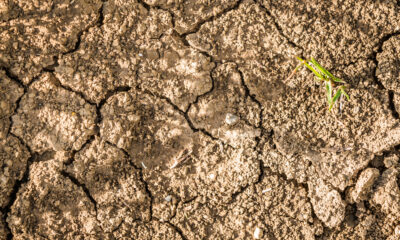
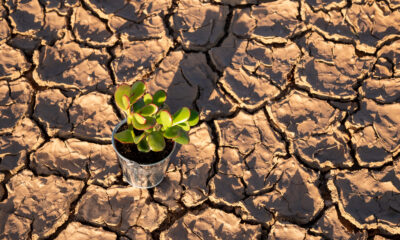
One significant concern is the impact of reduced precipitation levels on water resources, particularly Okanagan Lake, a vital source of irrigation for agricultural activities in the region. Lower water levels in the lake could lead to challenges in accessing sufficient water for irrigation, potentially affecting crop yields and quality.
Furthermore, the dry conditions pose a heightened risk of wildfires in the Okanagan’s dry forests. With less moisture in the air and on the ground, the risk of ignition increases, threatening not only forested areas but also nearby agricultural lands. Wildfires have the potential to devastate crops, destroy infrastructure, and pose risks to the safety of growers and their communities.
Okanagan fruit growers are therefore on high alert, implementing precautionary measures such as firebreaks and maintaining clearances around their properties to mitigate the risk of wildfire damage. Additionally, they are exploring water conservation strategies and investing in more efficient irrigation systems to cope with the challenges posed by the drier conditions.
As they navigate these weather concerns, Okanagan fruit growers are acutely aware of the need for adaptive strategies to safeguard their livelihoods and the rich natural landscapes of the region.
Fruits Cultivation Challenges to the Okanagan Grower
- Shifting weather patterns: Unpredictable fluctuations in temperature and precipitation can disrupt fruit development and quality.
- Water scarcity: Decreased water availability, particularly from Okanagan Lake, challenges irrigation practices and affects crop hydration.
- Pest and disease pressure: Changing climatic conditions can alter the prevalence and distribution of pests and diseases, requiring proactive management strategies.
- Labor shortages: Difficulty in sourcing and retaining skilled laborers for planting, harvesting, and other labor-intensive tasks.
- Market volatility: Fluctuations in demand, pricing, and export regulations impact growers’ profitability and market access.
- Land availability and affordability: Limited availability of arable land and rising land prices pose barriers to expansion and succession planning.
- Environmental sustainability: Balancing productivity with environmental stewardship requires innovative approaches to reduce resource usage and minimize ecological footprints.
Okanagan Grower Supply
Fruit growers in the Okanagan region are grappling with the aftermath of another severe cold snap, which has raised concerns about potential damage to vineyards and fruit crops. According to Miles Prodan, CEO of Wine Growers BC, the impact on vineyards could be dire, potentially catastrophic. The full extent of the damage to fruit crops is still being assessed, with Sukhpaul Bal, president of the B.C. Cherry Association, indicating significant bud damage, and further information expected in the coming week.
Alan Gatzke of Gatzke Orchards expressed concerns about potential partial bud damage that may affect fruit production, although he remains optimistic that the extreme cold will not entirely devastate crops or kill trees.
Addressing the issue, Agriculture and Food Minister Pam Alexis reaffirmed the government’s commitment to supporting the B.C. wine industry and tree fruit sector. She highlighted a $200 million investment in B.C. food security and a new $15 million perennial crop renewal program aimed at revitalizing the tree fruit and grape sectors. Additionally, Alexis mentioned ongoing efforts to develop a stabilization plan to enhance competitiveness, production, and sustainability for B.C. tree fruit and grape growers.
Conclusion
In conclusion, the recent harsh cold snap has presented significant challenges for fruit growers in the Okanagan region, particularly impacting vineyards and fruit crops. With the potential for catastrophic damage looming over vineyards, growers are anxiously assessing the extent of the harm inflicted on their livelihoods. The uncertainty surrounding bud damage and its implications for fruit production adds to the apprehension felt within the agricultural community.
Agriculture and Food Minister Pam Alexis’s reassurance of government support brings a sense of relief to growers, signaling a commitment to bolstering the resilience of the B.C. wine industry and tree fruit sector. The substantial investments in food security and crop renewal programs reflect proactive measures aimed at revitalizing these crucial sectors and ensuring their long-term sustainability.
As growers navigate the aftermath of the cold snap and work to mitigate its effects, there is a collective determination to persevere and overcome adversity. By embracing innovative solutions, fostering resilience, and leveraging government support, the Okanagan fruit-growing community remains steadfast in its commitment to sustaining its rich agricultural heritage and contributing to the region’s economic prosperity. Through collaboration and resilience, growers stand ready to weather the challenges ahead and emerge stronger than ever before.