Introduction
In the vibrant tapestry of culinary delights, few vegetables command the same level of versatility and nutritional prowess as the humble green bean. As an unsung hero in the world of produce, green beans, also known as string beans or snap beans, embark on a journey from the sun-kissed fields to our plates, offering a spectrum of flavors and textures that elevate any meal.
This exploration delves into the fascinating odyssey of green beans, tracing their origins from lush fields to the heart of gastronomic creations. From their cultivation in sprawling farms, where diligent hands nurture the plants under the open sky, to the intricate harvesting process that ensures peak freshness, the narrative unfolds like a verdant tale of agricultural artistry.
Beyond their vivid green hues and crisp bite, green beans bring a wealth of nutritional benefits to the table. Packed with essential vitamins, minerals, and fiber, they emerge as a culinary powerhouse that not only tantalizes the taste buds but also promotes overall well-being.
As we embark on this journey, we will unravel the secrets of preparing, cooking, and savoring green beans in a myriad of ways, inviting readers to join Fruits Auction BV in celebrating the journey of these delectable pods from the field to the plate. Get ready to immerse yourself in the world of green beans galore, where freshness meets flavor, and every bite tells a story of wholesome goodness.
Green Beans
Green beans, scientifically known as Phaseolus vulgaris, are a staple in the world of vegetables, prized for their crisp texture, vibrant color, and nutritional richness. Belonging to the legume family, these slender, elongated pods are harvested from the common bean plant while still in their immature state. Renowned for their versatility in the kitchen, green beans offer a delightful combination of savory flavor and a satisfying crunch.
Typically ranging in length from a few inches to a foot, green beans boast a striking emerald green hue, signaling their freshness and nutritional value. These legumes are a rich source of vitamins, including A, C, and K, as well as essential minerals such as folate and manganese. The fiber content in green beans contributes to digestive health and helps regulate blood sugar levels.
In culinary contexts, green beans can be enjoyed in various forms—steamed, sautéed, stir-fried, or even blanched—making them a versatile addition to salads, side dishes, and main courses. Their mild flavor allows them to harmonize with a myriad of seasonings, herbs, and spices, making green beans a favorite in diverse cuisines around the globe. From classic casseroles to Asian stir-fries, these vibrant pods are a testament to the plant kingdom’s ability to provide both culinary pleasure and nutritional benefits.
Green Bean Cultivation
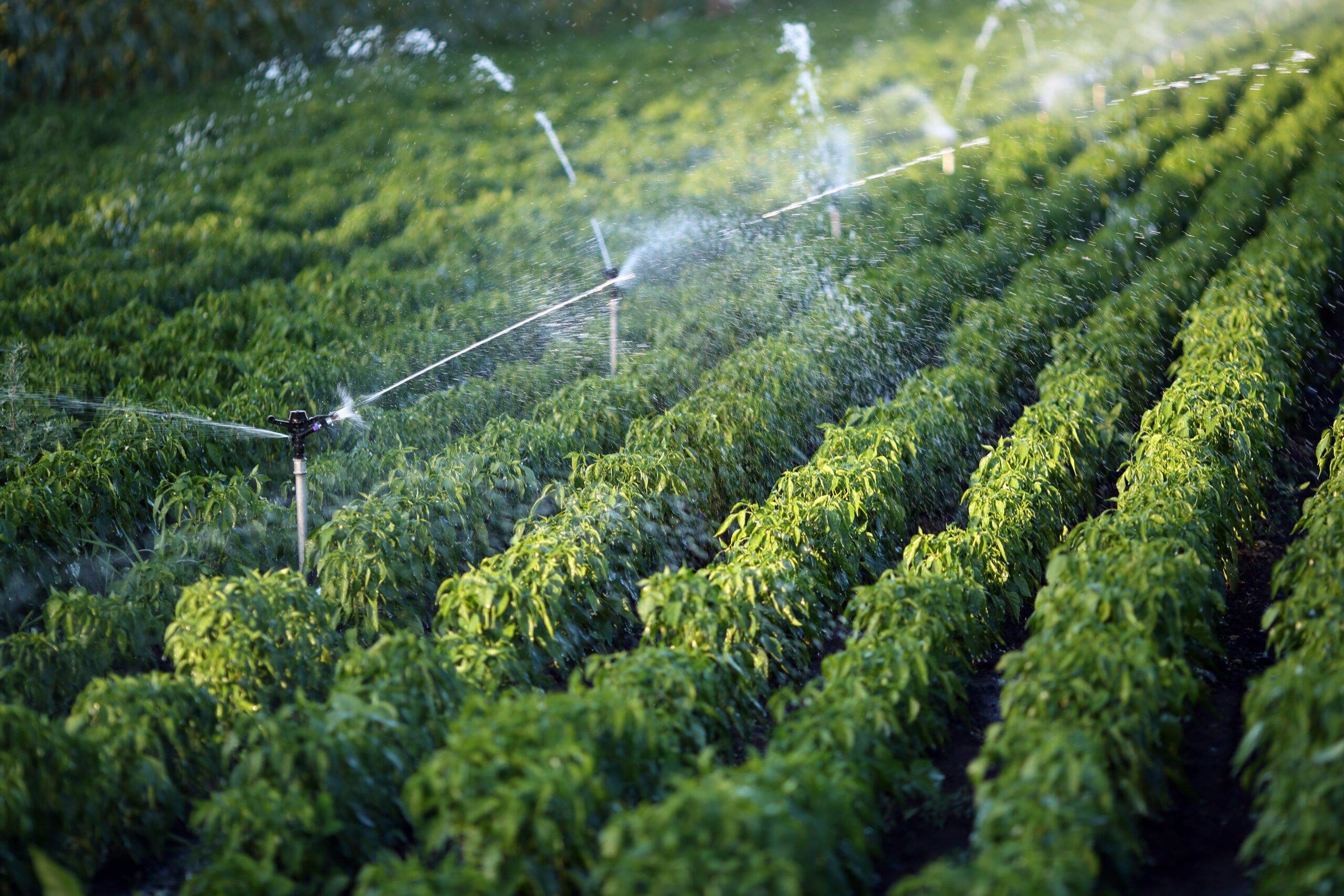
Green bean cultivation involves a series of carefully orchestrated steps to ensure a bountiful harvest of these vibrant and nutritious pods. The process typically begins with selecting a suitable site with well-drained soil, ample sunlight, and proper ventilation. Farmers often choose warm climates for optimal growth, as green beans are sensitive to frost.
The cultivation cycle starts with the preparation of the soil, incorporating organic matter and fertilizers to enhance fertility. Seeds are then sown directly into the soil or raised in seedbeds, depending on the preferred cultivation method. As the plants germinate, they require consistent watering to support healthy growth.
Green bean plants feature climbing or bush varieties, each requiring specific care. Climbing varieties need support structures, such as trellises, to promote upward growth, while bush varieties tend to spread horizontally and may not need additional support.
Regular monitoring for pests and diseases is crucial, with farmers implementing integrated pest management strategies to mitigate risks. As the plants mature, delicate flowers give way to the formation of green pods, signaling the readiness for harvest. Harvesting is a meticulous process, as the beans should be picked while still tender to ensure the best quality.
Whether grown on a small family farm or a large-scale agricultural operation, green bean cultivation demands a blend of agricultural expertise, environmental awareness, and dedication to producing this beloved vegetable from field to table.
Green Beans Cooking Tips
- Blanch for Brightness: Preserve the vibrant green color of green beans by blanching them briefly in boiling water before cooking. Submerge them in ice water immediately to halt the cooking process and maintain their crisp texture.
- Sauté with Precision: Opt for a quick sauté in olive oil or butter to enhance the flavor and maintain the beans’ crunch. Add minced garlic or sliced almonds for an extra layer of taste and texture.
- Roast for Intensity: Roasting green beans at high heat imparts a delightful smokiness and caramelization. Toss them in olive oil, sprinkle with salt and pepper, and roast until they achieve a slightly charred perfection.
- Steam to Perfection: Steaming green beans is a foolproof method to retain nutrients and natural flavors. Steam until just tender for a healthy and refreshing side dish.
- Experiment with Seasonings: Green beans serve as a versatile canvas for various seasonings. Try lemon zest, balsamic glaze, or soy sauce to add depth and complexity to your green bean creations.
Nutritional Benefits of Green Beans
Green beans are a nutritional powerhouse, offering a spectrum of health benefits. Packed with vitamins such as A, C, and K, they contribute to immune function, collagen production, and bone health. Rich in dietary fiber, green bean support digestive health, regulate blood sugar levels, and aid in weight management.
These vibrant pods also contain essential minerals like folate, manganese, and potassium, promoting cardiovascular health, fetal development during pregnancy, and overall well-being. Green bean is low in calories and fat while providing a satisfying crunch, making them an excellent choice for those seeking a nutritious and satiating snack. Additionally, their antioxidant properties help combat oxidative stress and inflammation in the body, potentially reducing the risk of chronic diseases. Including green beans in your diet not only elevates the culinary experience but also contributes to a balanced and healthful lifestyle.
Conclusion
In conclusion, green beans stand as a verdant testament to the marriage of culinary delight and nutritional excellence. From their origins in sun-drenched fields to gracing our plates with vibrant color and crisp texture, green bean embody a journey of wholesome goodness. Their nutritional profile, rich in vitamins, minerals, and fiber, underscores their role as a healthful addition to any diet.
As we explored various cooking tips, from blanching to roasting, it became evident that green beans offer not only versatility but also an opportunity for culinary creativity. Whether enjoyed as a crisp side dish or a flavorful component in diverse recipes, green beans elevate the dining experience.
So, let us celebrate the green bean—from its cultivation, where hands nurture it with care, to its place on our plates, enriching our meals with freshness and flavor. In embracing the green bean, we embrace a tale of nourishment, taste, and the simple joy found in the journey from field to plate.