Introduction
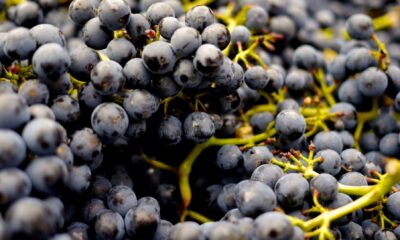
Absolutely, dogs can eat fruits and vegetables in their diet and can contribute to a secure and wholesome nutritional plan. While dogs are primarily carnivores, incorporating select fruits and vegetables can provide essential vitamins, minerals, and fiber, promoting overall well-being. Before adding anything new, it’s crucial to ensure the safety of the chosen foods. Some canine-friendly options include blueberries, carrots, and green beans. These not only offer a delightful variety in taste but also pack a nutritional punch. However, it’s vital to be aware of toxic foods, such as grapes and onions, that can pose a threat to your furry friend. Consulting with a veterinarian before making dietary changes ensures that your dog’s unique needs and health considerations are taken into account, creating a secure foundation for a balanced and nourishing diet.
Can Dogs Eat Fruits and Vegetables?
Dogs’ digestive systems differ from those of humans, thus feeding them the wrong things can cause long-term health issues and, in severe situations, even cause death. Dogs are omnivores, so adding fruits and veggies to their diet isn’t really necessary, but it’s acceptable to give them as treats or snacks if they are healthy to consume. As a source of vitamins, minerals, and antioxidants, fruits and vegetables are frequently included in dog meals designed using fresh dog food.
Dogs don’t really need extra fruit and vegetables every day as long as you’re eating them a complete and balanced diet that’s appropriate for their age (your veterinarian or vet nurse may help you with this). All the nutrients your dog needs to stay happy and healthy are included in complete safe dog food diets.
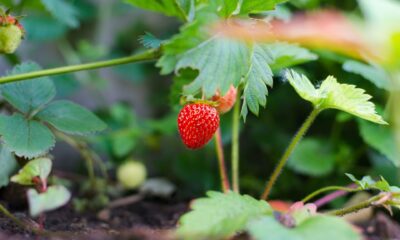
Conversely, dogs can eat fruits and vegetables as excellent treats! Commercial treats from the pet store or supermarket can occasionally be very fattening and contain a lot of ingredients, just like our favorite munchies. Fruits and vegetables that are safe to eat can be a wonderful, healthful treat for your dog.
Canine Nutrition Guide
Embarking on a journey to understand canine nutrition is crucial for fostering your furry friend’s health and well-being. Dogs, being omnivores, can benefit from a diverse and balanced diet that goes beyond conventional dog food. Incorporating fruits and vegetables into their nutrition plan is a wise choice, offering a plethora of nutrients. Fruits such as blueberries and apples provide antioxidants and natural sweetness, while vegetables like carrots and sweet potatoes offer essential vitamins and fiber. These additions not only diversify your dog’s palate but also contribute to their overall health.
Before introducing new foods, it’s imperative to be aware of canine dietary restrictions. Some fruits and vegetables, like grapes and onions, can be toxic to dogs and should be strictly avoided. To create a secure nutrition plan tailored to your dog’s unique needs, consulting with a veterinarian is paramount. They can guide you on portion sizes, food choices, and potential allergens, ensuring your dog receives a balanced and safe diet.
Dog-friendly Fruits
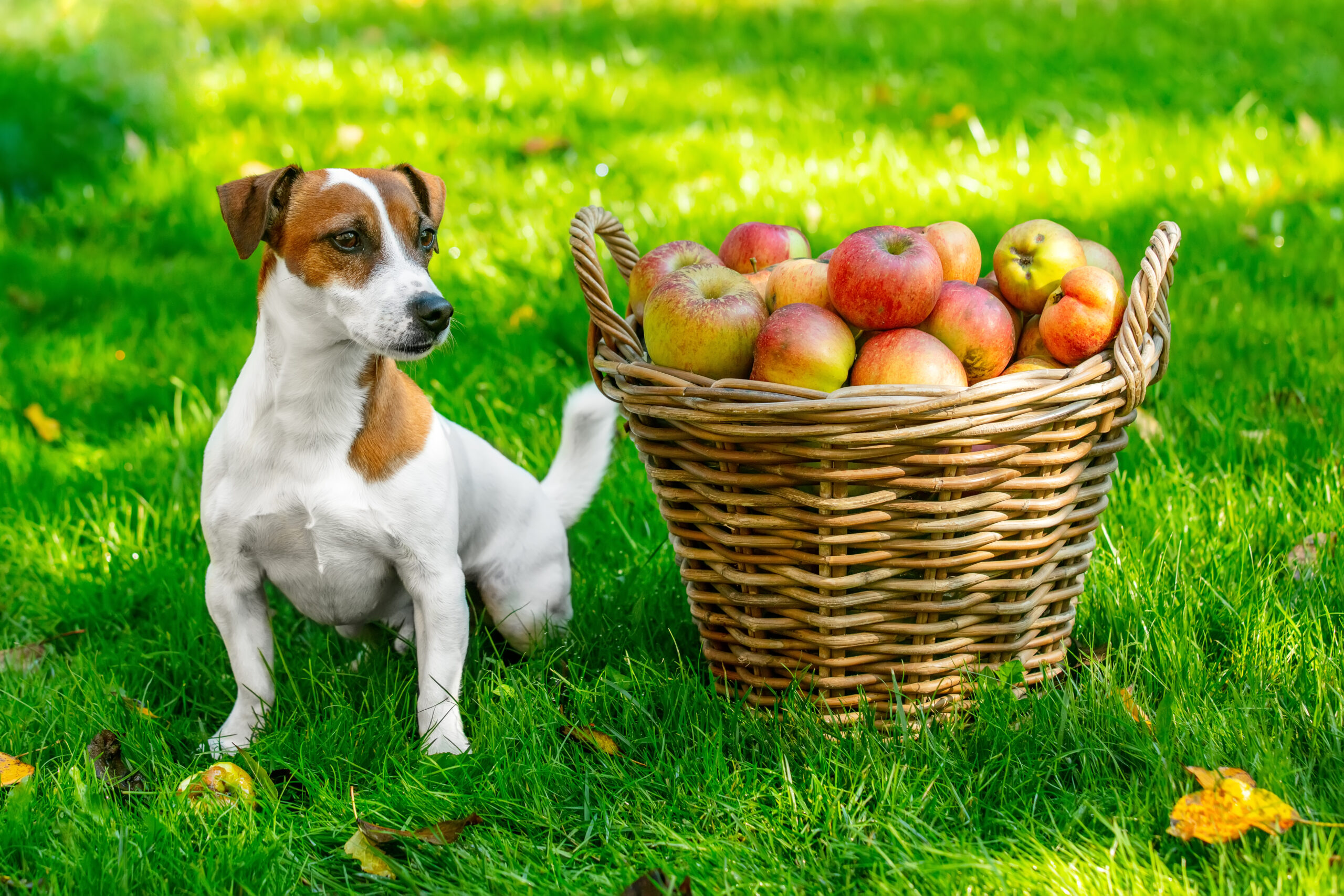
Exploring dog-friendly fruits is a delightful way to enhance your furry friend’s diet while providing a tasty treat. Blueberries, small but packed with antioxidants, can be a delightful addition to your pup’s snack repertoire. Rich in vitamins C and K, as well as fiber, they contribute to overall well-being. Apples, another canine-friendly option, offer a crunchy texture and are a great source of vitamins A and C.
Bananas are not only a tasty and energy-boosting choice but also provide potassium and vitamin B6. Just be mindful of the peel, which can be hard for dogs to digest. Watermelon, a hydrating and refreshing fruit, is safe for dogs in moderation. Ensure the seeds and rind are removed, allowing your dog to enjoy the juicy flesh.
Before introducing any new fruits into your dog’s diet, consult with your veterinarian to ensure they align with your dog’s specific health needs and dietary requirements. Incorporating these dog-friendly fruits can be a flavorful way to supplement your pup’s nutrition, adding variety and nutritional value to their meals and snacks.
Dog-friendly Vegetables
Adding dog-friendly vegetables to your furry companion’s diet is a wonderful way to enhance their nutrition and provide a crunchy, flavorful twist to their meals. Carrots, a low-calorie option, are not only rich in vitamins and minerals but also help promote dental health by reducing plaque and tartar. Broccoli, when served in moderation, offers a healthy dose of fiber and antioxidants. Ensure its cooked or served in small, bite-sized pieces to aid digestion.
Sweet potatoes, a canine superfood, are packed with vitamins A and C, promoting a healthy immune system and supporting vision. Green beans are another excellent choice, providing fiber and essential nutrients without adding extra calories. Just be sure to serve them plain and cooked to avoid any potential digestive issues.
Pumpkin, rich in fiber and beta-carotene, can be a soothing addition to your dog’s diet, aiding in digestion and supporting overall gut health. Always consult with your veterinarian before introducing new vegetables, as individual dogs may have specific dietary needs or sensitivities. Incorporating a variety of dog-friendly vegetables can contribute to a well-balanced and nutritious diet, promoting your canine friend’s health and happiness.
Conclusion to if Dogs Can Eat Fruits and Vegetables
In conclusion, incorporating a variety of dog-friendly fruits and vegetables into your canine companion’s diet can be a rewarding and health-conscious choice. These natural additions not only introduce exciting flavors and textures but also offer a spectrum of essential vitamins, minerals, and antioxidants, contributing to your dog’s overall well-being.
However, the key lies in moderation and awareness. While fruits like blueberries, apples, and bananas can be a delicious and nutritious treat. It’s crucial to be mindful of potential hazards such as seeds, cores, and peels. Similarly, vegetables like carrots, broccoli, and sweet potatoes bring a host of health benefits. But appropriate preparation and portion control are essential.
Before making any dietary adjustments. You should be consulting with a veterinarian ensures that your dog’s unique nutritional needs are met. And potential sensitivities are considered. Every dog is different, and a tailored approach to their diet promotes a secure and wholesome feeding routine.
By embracing a thoughtful and informed approach to your dog’s nutrition, you not only enhance their mealtime experience. But you also foster their vitality, longevity, and overall happiness. So, let the journey of providing nourishing, dog-friendly fruits and vegetables become a delightful part of your shared moments and a cornerstone of your beloved pet’s health.