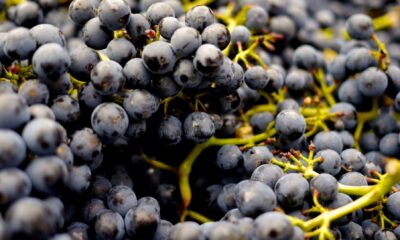
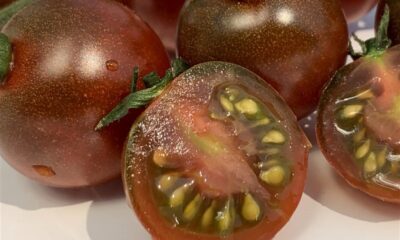
A new study has seen a shocking rise in the number of toxic pesticides found on European fruit store shelves.
Pesticide Action Network (PAN) Europe did a study and found that tainted food has grown by 53% in the last nine years.
According to the European Commission, farms use less pesticides linked to cancer and other dangerous illnesses. However, the study shows that this is not true.
Salomé Roynel, an activist for PAN Europe, says, “The risk of pesticides from eating fruit has gone up dramatically.”
“People are in a terrible situation because they are being told to eat fresh fruit, but a lot of it is contaminated with the most dangerous pesticide residues that are linked to serious health effects.”
Pesticides were to be banned by countries in 2011, but the study didn’t happen until 2019.
It shows that the drugs got stronger during that time, not weaker.
Pesticides are less likely to get on vegetables because they are less likely to get bugs and diseases. But the test still showed that pollution had increased by 19%, almost one-fifth.
On the list of veggies most likely to be infect, celery came in at 54% and celeriac at 45%.
At the same time, chemicals are in almost a third of the samples of kale, which is a famous green.
Blackberries (51%), peaches (45%), strawberries (38%), cherries (35%), and apricots (35%) were the foods that were most likely to be taint.
Celery (50%), celeriac (45%), and kale (31%) were the veggies that were most likely to have an infection.
The EU has strict rules about pesticides. Food must have as few leftovers as possible so that it is safe for people to eat. This is part of the 27-nation bloc’s plan to cut greenhouse gas emissions to zero by the middle of the century. By 2030, they also want to cut pesticide use in half.
Pesticide exposure risks
Acute impacts, often known as short-term negative health consequences, and chronic effects, which can develop months or years after exposure, are both possible with pesticides. Eyes that sting, blisters, rashes, blindness, nausea, lightheadedness, diarrhea, and even death are examples of acute health impacts. Cancers, birth deformities, reproductive injury, immunotoxicity, neurological and developmental toxicity, and endocrine system disturbance are some documented chronic consequences.
Impacts of toxic pesticides are more likely to affect certain persons than others. For instance, it is a famous saying that newborns and young children are more vulnerable than adults to the hazardous effects of pesticides. Due to their increased exposure, pesticide applicators and farm laborers are also more susceptible.
Many long-outlawed toxic pesticides, like DDT or atrazine, are especially hazardous and tend to linger and build up in the environment. Despite being prohibit, they are nonetheless present in the environment because of their characteristics. However, drugs that have just recently been outlaw and other compounds that now have permission have also a connection to various negative impacts on human health and biodiversity. Neonicotinoid pesticides, for instance, which were formerly widely authorize on an emergency basis by several EU nations, are highly toxic to bees, animals, and birds.
European fruit industry trends
Between 2021 and 2028, market growth anticipates for Europe’s vegetables and fruit market. Data Bridge Market Research’s analysis shows that the market expects to grow at a CAGR of 8.5% from 2021 to 2028 and reach USD 1,89,576.59 million. Increasing demand for novel and advanced gene therapy products, vaccines, and personalized medicines—among other things—due to the rising prevalence of infectious diseases serves as a growth driver for the vegetables and fruits market.
Fruits and vegetables are crucial components of a healthy diet because they contain essential vitamins, minerals, and phytochemicals. They also have a lot of fiber and different micronutrients. They are naturally healthy and contain nutrients like folic acid, magnesium, zinc, phosphorous, and vitamins A (beta-carotene), C, and E that can help one stay healthy. The regular consumption of fruits and vegetables can also aid in disease prevention. Fruits and vegetables have a variety of health advantages because they contain phytochemicals or plant chemicals. A diet high in fruits and vegetables can also lower blood pressure, reduce the risk of heart disease and stroke, prevent some cancers, lower the risk of eye and digestive problems, and positively impact blood sugar, which can help control appetite.
Russia, Germany, and Turkey dominate Europe’s market for vegetables and fruits. Due to increasing urbanization and the maintenance of a healthy lifestyle, Russia is dominant. The rising canned and frozen food consumption, Germany is dominating. Due to the increased consumption of fruits and vegetables to maintain a healthier diet, Turkey is dominating.
The country section of the report also lists specific market-impacting variables, and domestic market regulation changes that impact the market’s present and future trends. Some key indicators to forecast the market scenario for particular countries include data points like new sales, replacement sales, country demographics, regulatory acts, and import-export tariffs.